Journal · Festivals & food · Valencia
Valencia: where paella comes from, and the week in March the city sets itself on fire
Spain's third city has a nine-kilometre park in a dry riverbed, the beach inside its tram network, and a festival that ends with 700 sculptures burning at midnight.
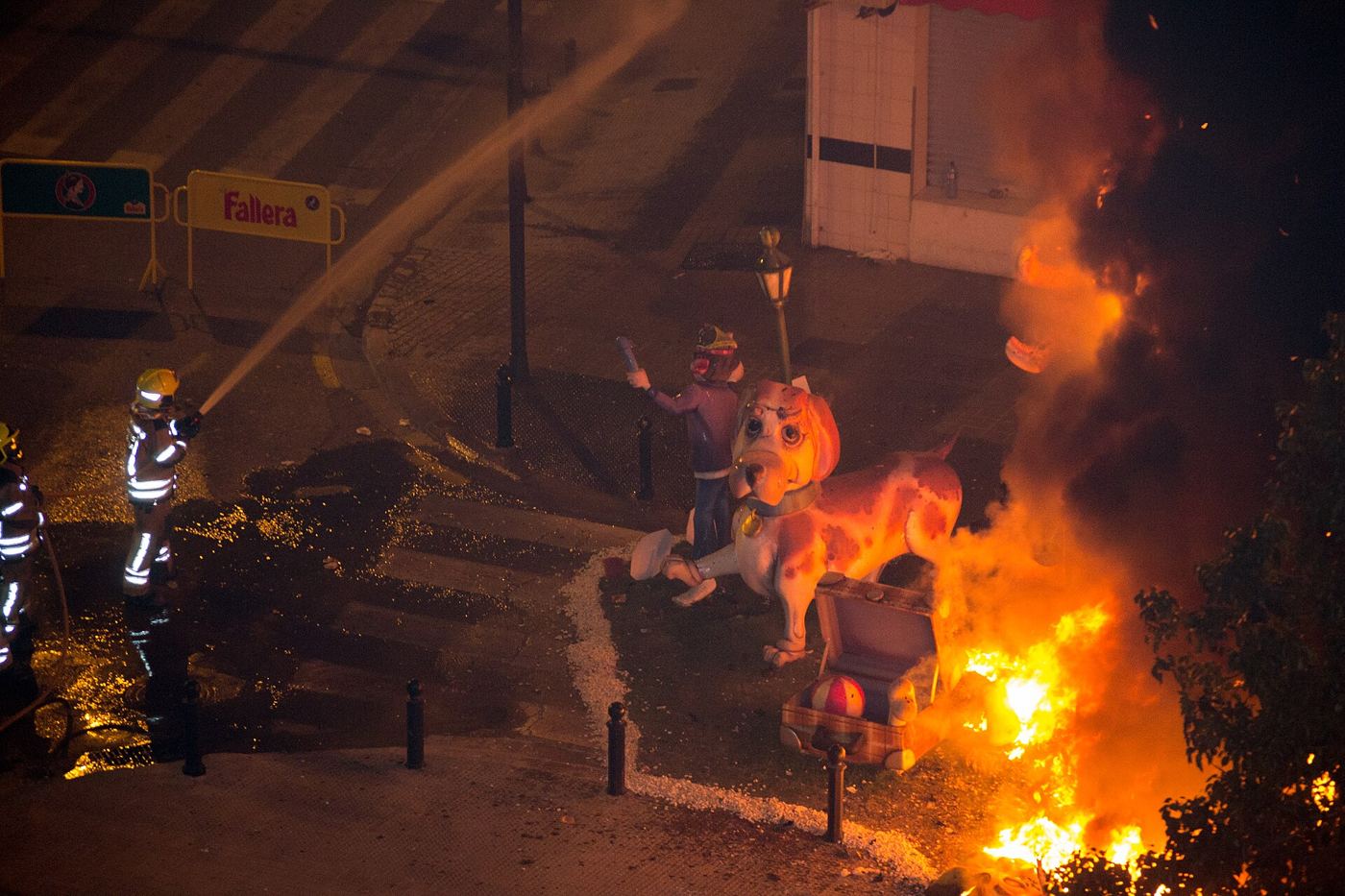 La Cremà, Las Fallas, 19 March
Las Fallas, 15 to 19 March
For most of the year the neighbourhood associations of Valencia build fallas: enormous satirical sculptures of papier-mâché and wood, some 20 m high, mocking politicians, celebrities and each other. In mid-March they are planted in the streets, around 750 of them, and for five days the city stops. Every day at 14:00 sharp in the Plaza del Ayuntamiento there is a mascletà, a five-minute firecracker barrage so loud you feel it in your chest; people arrive an hour early and judge it like a concert. On the 17th and 18th, tens of thousands of women and girls in 18th-century silk dresses carry flowers to build a 15 m Virgin in the Plaza de la Virgen. And on the night of the 19th, la Cremà, every falla is burned, neighbourhood by neighbourhood, the big one in the main square last, around 01:00. UNESCO listed it in 2016. Hotels book out six months ahead and earplugs are not optional. It is unlike anything else in Europe and we time a trip around it every year.
The rest of the year
Valencia is a very easy city. The old town, the Ciutat Vella, has the Lonja de la Seda, a Gothic silk exchange that is one of the finest civic buildings in Europe, the Central Market with its 1,200 stalls under a modernista dome, and the cathedral's Miguelete tower for the view. Twenty minutes' walk down the old riverbed brings you to Santiago Calatrava's City of Arts and Sciences, a cluster of white concrete and blue pools that looks like a science-fiction film set and houses Europe's largest aquarium, the Oceanogràfic.
The riverbed is the point. After a catastrophic flood in 1957 the Turia was diverted south of the city, and its old course became the Jardí del Túria, a nine-kilometre park running through the middle of Valencia under eighteen bridges. Valencians cycle, run and picnic in it every day, and it is the reason the city feels so calm. Hire a bike; the whole city is flat and has 200 km of bike lanes.
Paella, properly
Paella is from here, specifically from the rice paddies of the Albufera lagoon south of the city, and Valencians have strong views. Paella valenciana contains chicken, rabbit, flat green beans, garrofó beans and sometimes snails. Never chorizo, never peas, and seafood paella is a different dish. It is eaten at lunch, not dinner, cooked over orange wood, and the crust on the bottom, the socarrat, is the best part. Go to El Palmer, the village in the middle of the Albufera, twenty minutes by bus, and eat at Bon Aire or Casa Carmina, then take a boat onto the lagoon at sunset. In the city, Casa Roberto and La Riuà in the centre and the beachfront restaurants at La Pepica, where Hemingway ate, are the classics. Order the day before; the good places cook to order.
Other things to eat: horchata, the cold tiger-nut milk, with fartons (long sugared buns) in Alboraya, the village where it is made; esgarraet, roasted pepper with salt cod; and agua de Valencia, a cocktail of cava, orange juice, vodka and gin that is more dangerous than it sounds.
Neighbourhoods and the beach
Ruzafa, south of the station, is where Valencia's young live: cafés, galleries, a good market and the best bars. El Carmen, in the old town, is livelier and older. El Cabanyal, the old fishermen's quarter by the beach with tiled façades, was nearly demolished in the 2000s and is now the most interesting part of the city to stay in. The city beach, Malvarrosa, is wide, sandy, clean and on the tram line; twenty minutes from the old town.
Beyond the city
Xàtiva, 45 minutes by Cercanías, has a castle along a ridge and a fine old town. Sagunto, 30 minutes north, has a Roman theatre and a castle a kilometre long. Requena, an hour inland on the way to Madrid, is the centre of the Utiel-Requena wine region, with bobal reds and cellars under the town. Down the coast, Dénia, two hours by train and bus, has the best red prawns in Spain and the ferry to Ibiza and Mallorca.
Getting there and when
Valencia airport is 20 minutes from the centre by metro, with direct flights from Amsterdam of about 2h30. You do not need a car in the city; hire one for a day or two if you want the Albufera, Requena or Xàtiva at your own pace. Valencia has 300 sunny days and mild winters, so it works from October to May when the rest of Europe does not; July and August are hot and humid and the city goes to the beach. March for Fallas, if you can stand the noise. October for the sea still warm and the streets empty.
More from the journal
 Route
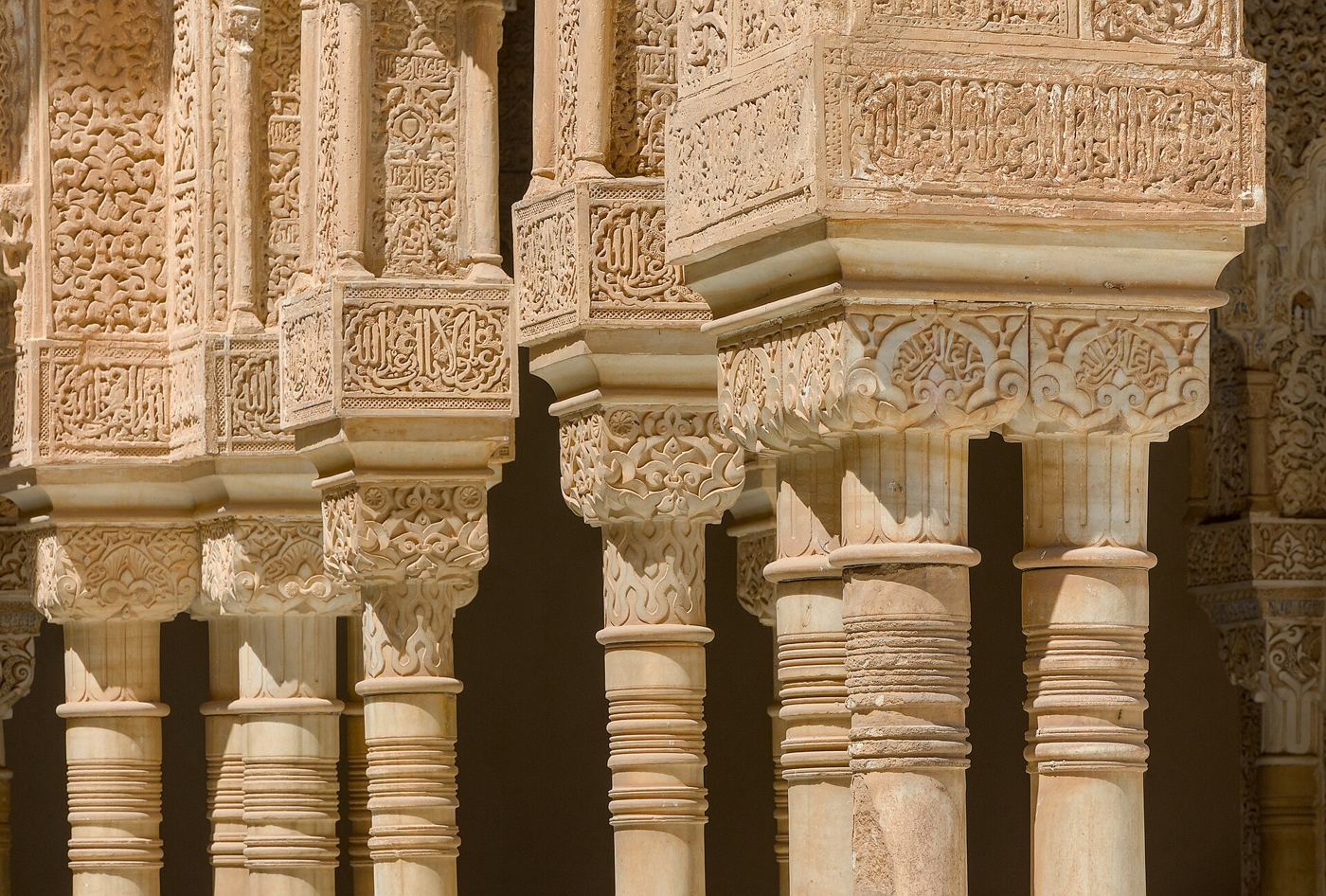
RouteAndalusia in eight days: Seville, Córdoba and Granada, with or without a car
Fly into Seville, out of Málaga. Booking the Alhambra, timing Semana Santa and the Feria, and why we skip July.
 Food
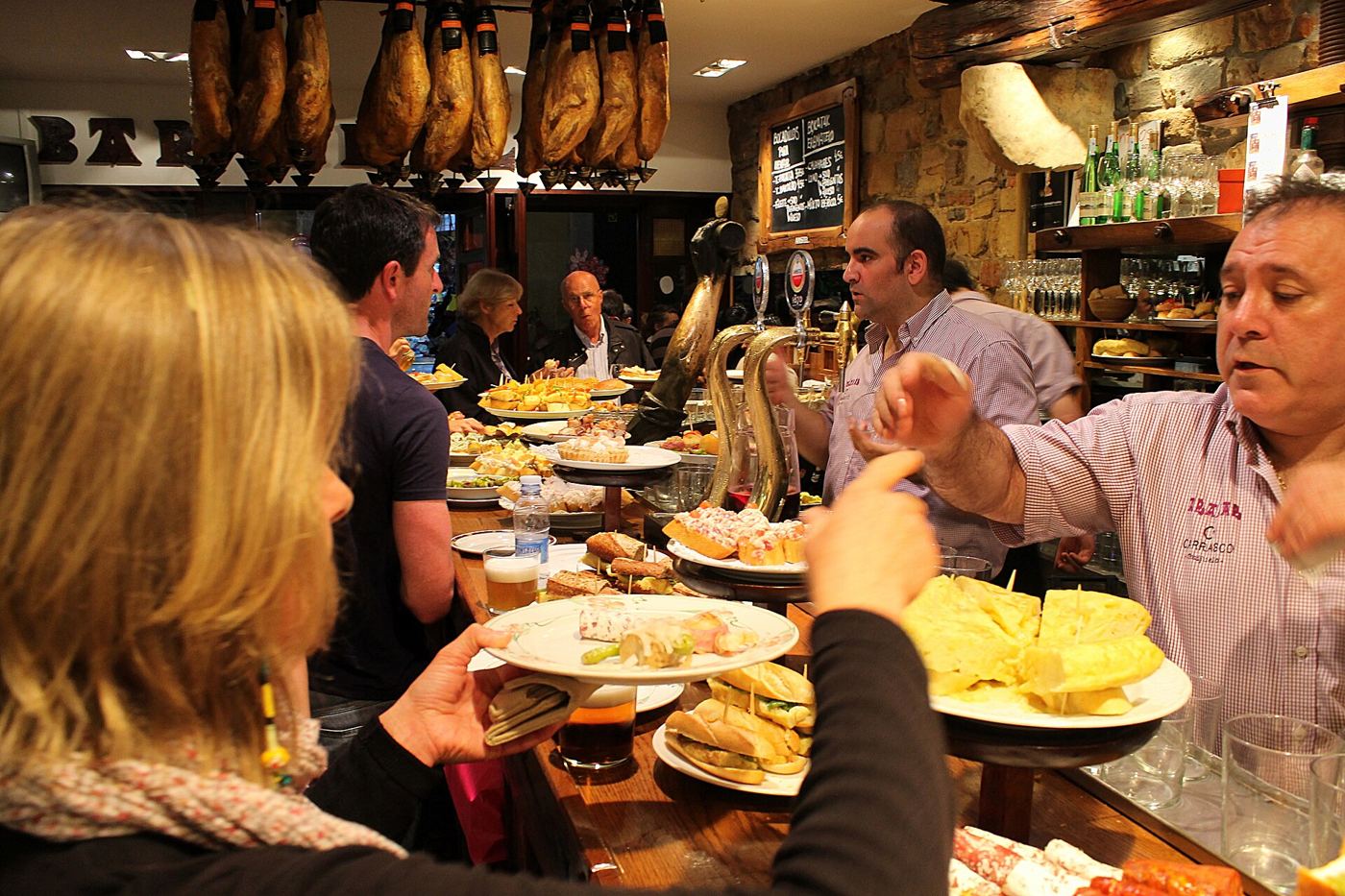
FoodEating your way through the Basque Country, one pintxo bar at a time
San Sebastián's Parte Vieja, Bilbao's Casco Viejo, txakoli in Getaria and the etiquette of the counter.
 Walking
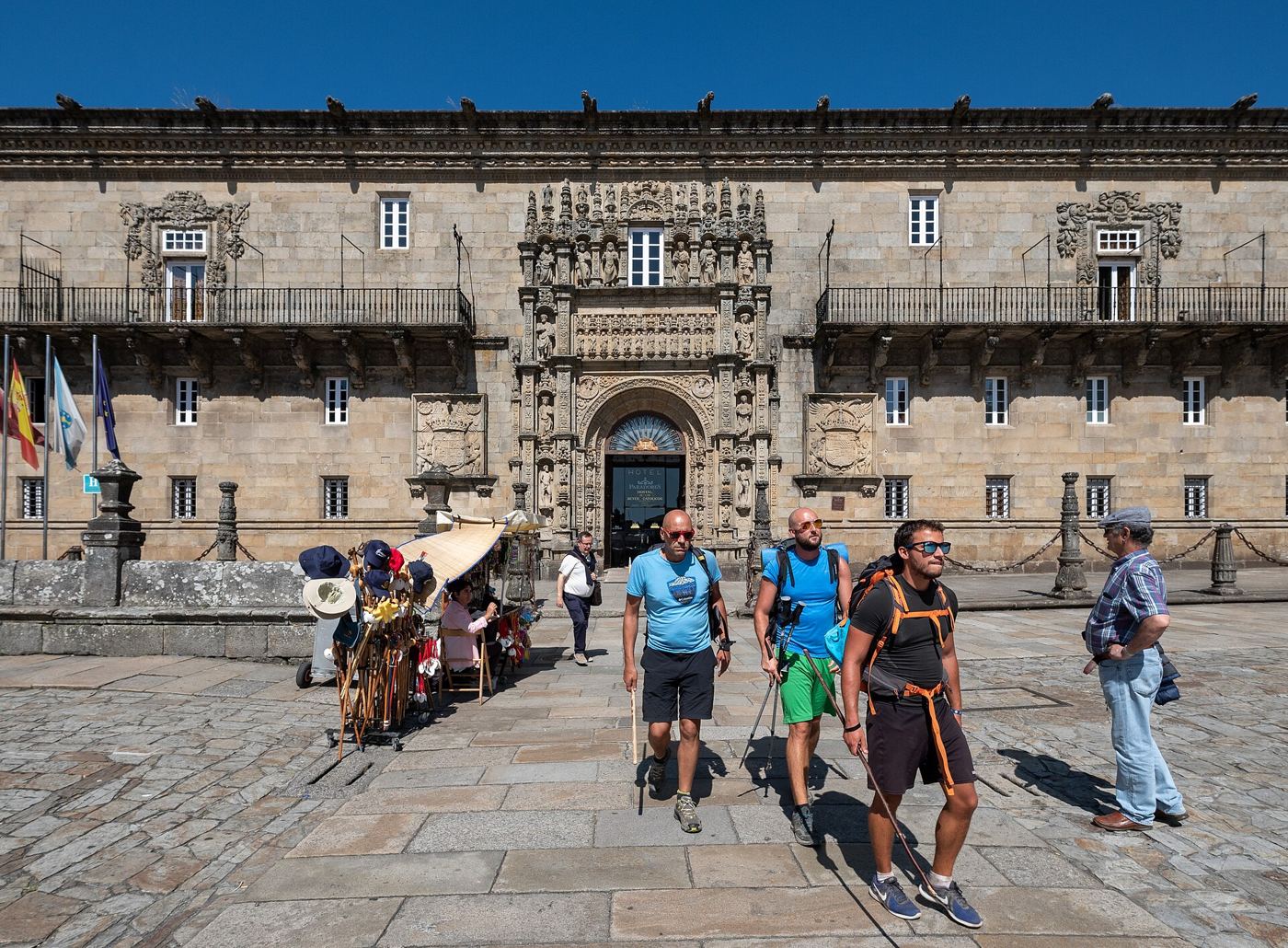
Galicia on foot: the last 100 km of the Camino, then the coast the pilgrims miss
Sarria to Santiago in five days, the Cíes islands permit, and octopus in Melide.