Journal · Walking · Galicia
Galicia on foot: the last 100 km of the Camino, then the coast the pilgrims miss
You do not need a month to walk into Santiago. Five days from Sarria earns the certificate, and the wild Atlantic coast beyond it is where Galicia really begins.
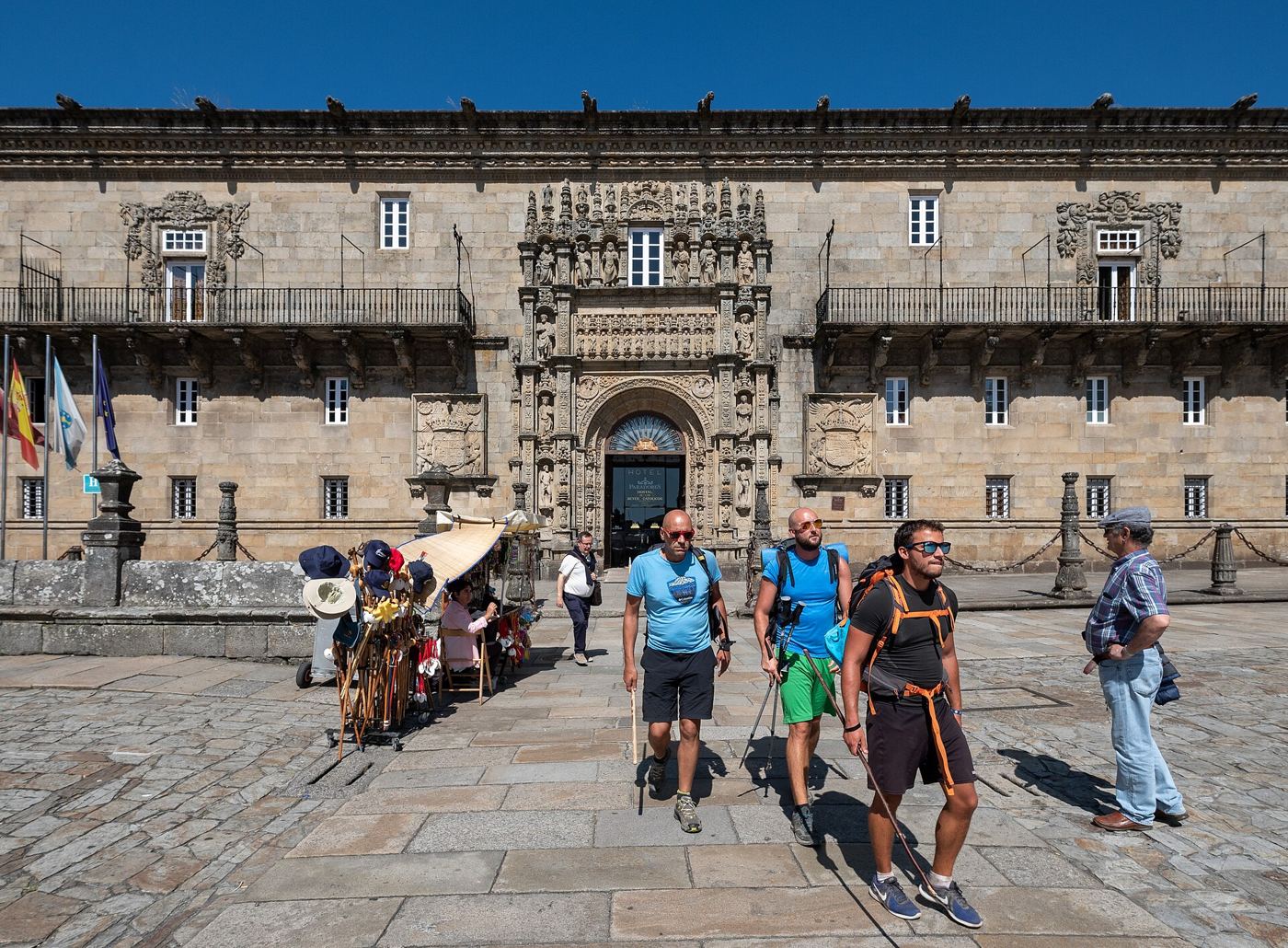 Praza do Obradoiro, Santiago de Compostela
Why the last 100 km
The Compostela, the certificate the cathedral has issued to pilgrims for centuries, requires that you walk at least the final 100 km into Santiago. On the Camino Francés, the most travelled route, that means starting in Sarria, a small town in the Lugo province reachable by train from Madrid (about 5h, changing at Ourense) or from A Coruña. From Sarria it is 115 km, which most people walk in five days: Portomarín, Palas de Rei, Arzúa, O Pedrouzo, Santiago. The stages are 20 to 25 km through eucalyptus, oak woods, dairy farms and granite hamlets, on paths that are impossible to lose.
Get a credencial, the pilgrim passport, in Sarria and collect two stamps a day from bars, churches and albergues. Present it at the Pilgrim's Office in Santiago and your name is read out at the pilgrims' mass at noon. Whatever your reasons for walking, that moment lands.
Where to sleep
Municipal albergues cost €10 to €12 for a bunk, are first come first served, and are full of good conversation and snoring. Private albergues (€15 to €25) take bookings. Small casas rurales and pensións along the route cost €60 to €100 for a double, and luggage transfer services move your bag from stage to stage for about €6, so you walk with a daypack. We can arrange both. Nobody needs to carry everything to have walked the Camino.
The other Caminos
The Francés is busy from Sarria, especially in May, June and September. The Camino Portugués from Tui on the Portuguese border, or its coastal variant from Baiona, also covers the last 100-plus km and passes through Pontevedra, one of Galicia's finest small cities, and the Rías Baixas albariño country. The Camino Inglés from Ferrol is 115 km through quiet green hills and gets a tenth of the walkers. If you have two weeks, the Camino Primitivo from Oviedo through the Asturian mountains into Lugo is the most beautiful of them all and the hardest.
Santiago
Arrive in the Praza do Obradoiro, sit on the flagstones, and watch other people arrive. Then go into the cathedral, restored and cleaned in 2021, and see the botafumeiro, the giant incense burner, swing on the days it is used (check the schedule; it is not every day). Santiago's old town is a UNESCO site of arcaded granite streets, and it has a serious food culture: the Mercado de Abastos for seafood you can have cooked on the spot, and the bars of Rúa do Franco for pulpo á feira, octopus with paprika and oil, and Padrón peppers.
Then keep going west
Medieval pilgrims often carried on to the coast, and so should you. Fisterra, Finisterre, the end of the earth, is three more days' walk or a two-hour bus. The lighthouse at sunset, with pilgrims burning their boots (please don't), is the real end of the Camino. From there the Costa da Morte, the coast of death, runs north: Muxía's sanctuary on the rocks, the Ézaro waterfall that falls into the sea, and beaches like Carnota, seven kilometres long and often empty.
South of Santiago are the Rías Baixas, drowned river valleys full of mussel rafts and albariño vineyards. Cambados is the wine town; O Grove the seafood town. From Vigo, ferries run to the Cíes Islands, a national park with a white beach that regularly tops lists of Europe's best. Visitor numbers are capped, and you must get a free permit from the Xunta de Galicia website before buying a ferry ticket, ideally weeks ahead in summer.
Weather, honestly
Galicia is green because it rains, about 1,800 mm a year in Santiago. May, June and September have the best odds: warm, with showers rather than fronts. July and August are driest but busiest on the Camino. October is atmospheric and wet. Whatever the month, walk in layers with a proper waterproof, and expect the sun to come out just as you have given up on it.
Eating and drinking
Galicia eats better than almost anywhere in Spain and charges less for it. Pulpo in Melide on day two of the walk, at Ezequiel or A Garnacha, is a rite of passage. Empanada, caldo galego, percebes (goose barnacles, if you dare pay for them), scallops, tetilla cheese, tarta de Santiago, and the wines: albariño from Rías Baixas, godello and mencía from Ribeira Sacra and Valdeorras. Finish with a queimada, flaming aguardiente with a spell recited over it. It is theatre, and it is good.
More from the journal
 Route
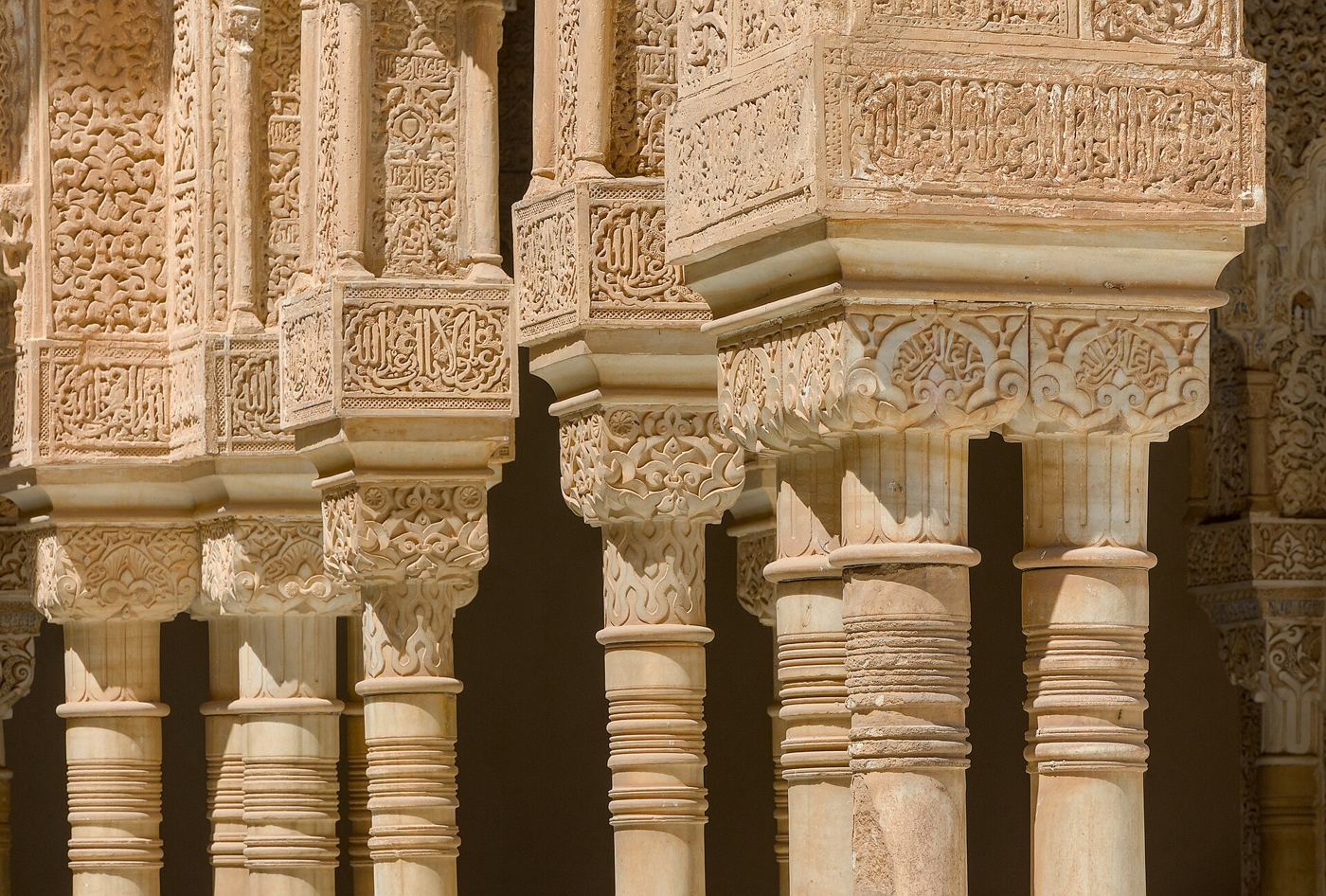
RouteAndalusia in eight days: Seville, Córdoba and Granada, with or without a car
Fly into Seville, out of Málaga. Booking the Alhambra, timing Semana Santa and the Feria, and why we skip July.
 Food
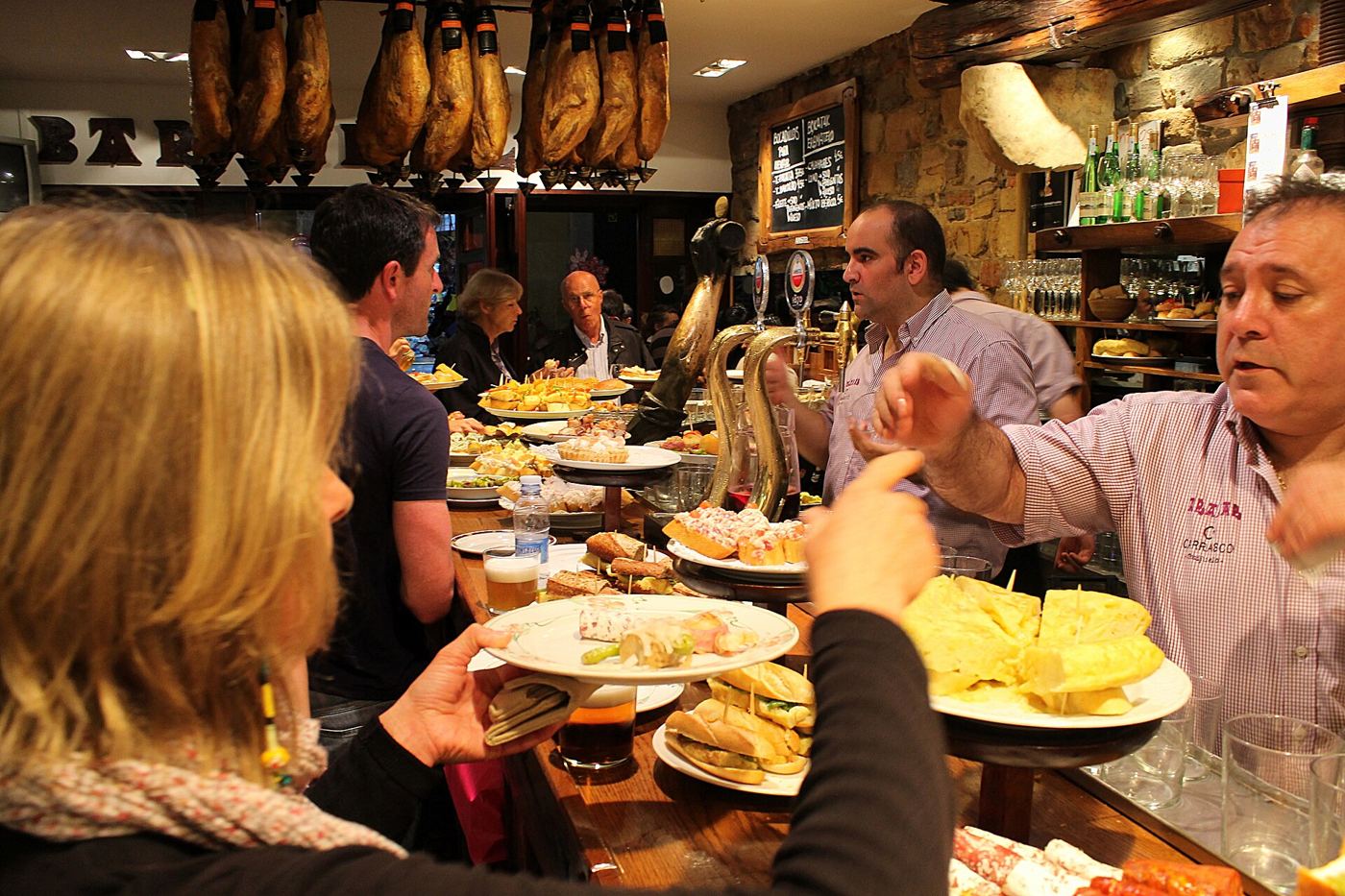
FoodEating your way through the Basque Country, one pintxo bar at a time
San Sebastián's Parte Vieja, Bilbao's Casco Viejo, txakoli in Getaria and the etiquette of the counter.
 City
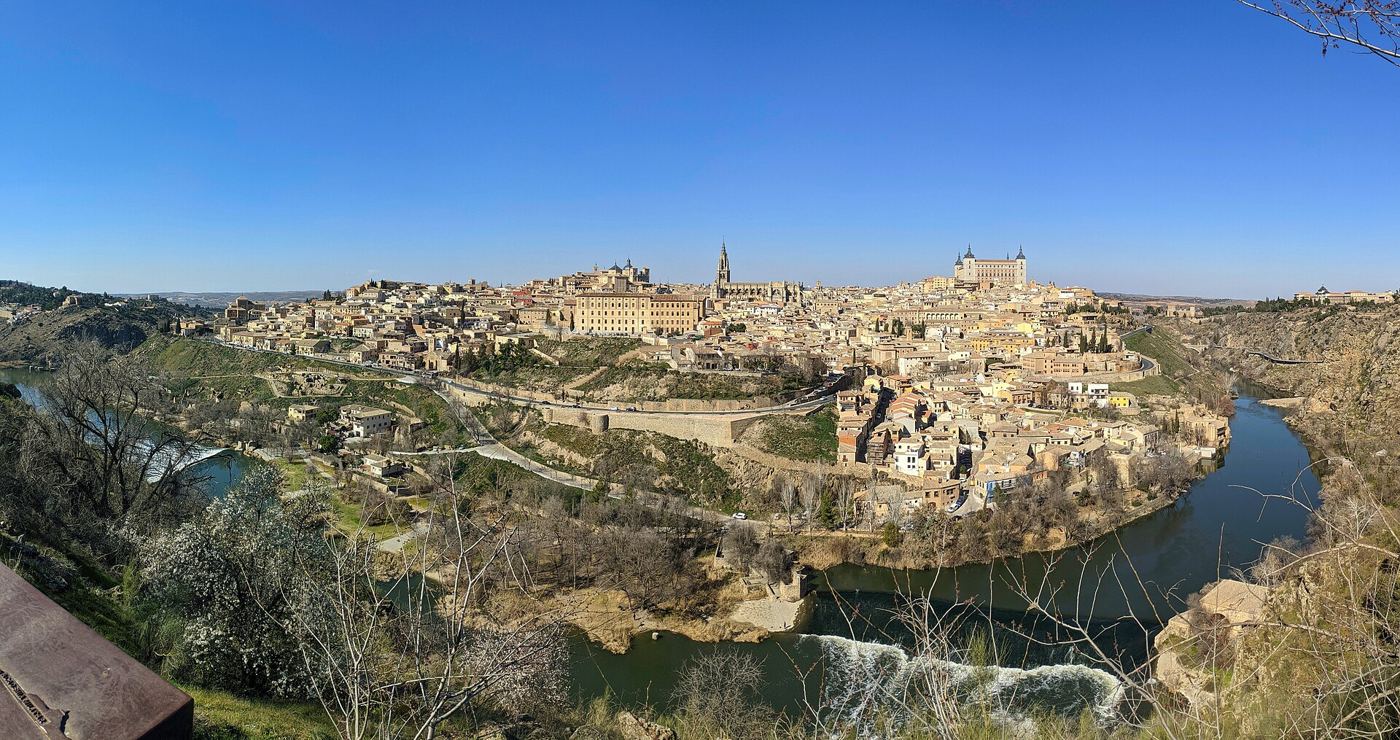
CityMadrid as a base: three museums, four neighbourhoods and Castile in under an hour
Toledo in 33 minutes, Segovia in 28, and how to eat dinner at 22:00 without falling over.