Journal · Route · Andalusia
Andalusia in eight days: Seville, Córdoba and Granada, with or without a car
Fly into Seville, fly home from Málaga, and the three great cities fall into a line between them. The hard part is not the driving. It is the Alhambra ticket, the calendar and the heat.
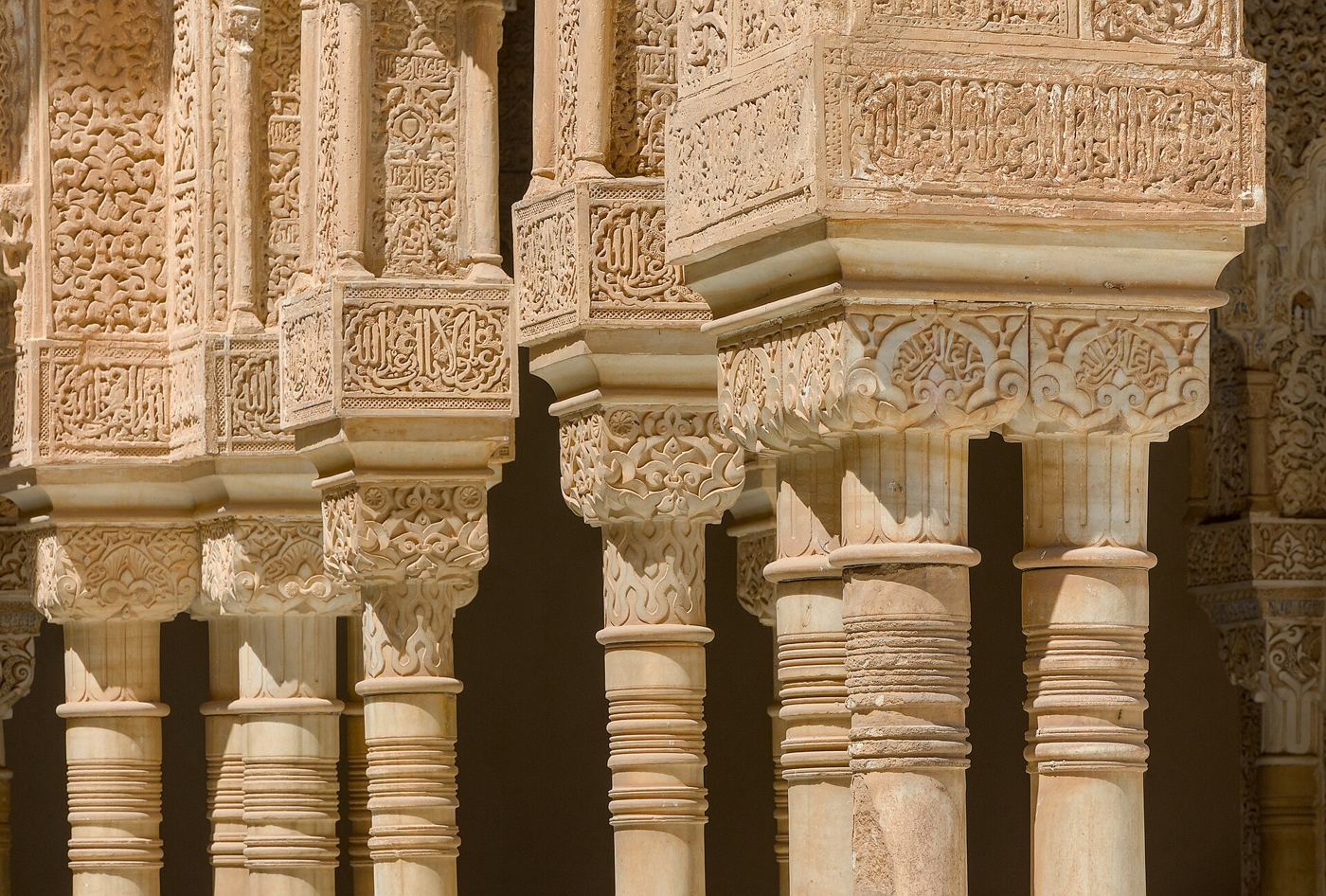 Patio de los Leones, the Alhambra, Granada
The shape of the trip
Seville and Málaga both have direct flights from Amsterdam of around three hours, and an open-jaw ticket, in through one and out through the other, means no backtracking. Seville to Córdoba is 1h30 by car or 45 minutes by train; Córdoba to Granada 2h15 by car or under two hours by train. That line, with a hire car or without, is the itinerary we plan more than any other in Spain. Eight days is right: three in Seville, one full day in Córdoba, three in Granada, and a day for the white villages or the coast.
Do you need the car? In the cities, no: parking is difficult and the centres are pedestrian. Between them, the trains are fast and pleasant. The car earns its keep for the white villages, the Alpujarra and the coast. Our usual advice is to spend the first three days in Seville car-free, pick the car up when you leave, and drop it at Málaga airport.
Seville
Stay in Santa Cruz if you want to be inside the postcard and in Triana, across the river, if you want to hear locals rather than tour groups at breakfast. The Real Alcázar is the essential ticket: book the first slot of the day online and go straight to the Mudéjar palace of Pedro I before the gardens fill. The cathedral and Giralda tower are next door. Then stop being a tourist. Eat at the bars along Calle Feria on a Thursday, when the flea market runs, and take the evening walk along the Guadalquivir from the Torre del Oro to Triana bridge, which is when Seville looks like itself.
Flamenco is everywhere and mostly aimed at visitors. The tablaos in Santa Cruz are professional and fine; the peñas, the neighbourhood flamenco clubs in Triana and the Macarena, are where it is still a local art. The tourist office and the peñas' own social media list what is on in a given week.
Córdoba
Most people do Córdoba as a day trip from Seville, and the Mezquita-Catedral, a Great Mosque of 856 columns with a Renaissance cathedral built through its middle, deserves the whole morning. Arrive at 08:30 when entry is free for an hour before the ticketed day begins, and the light comes low through the arches. Then the Jewish quarter, the Roman bridge and lunch of salmorejo and flamenquín. Stay a night if you can: Córdoba empties at 18:00 when the day-trippers go, and the courtyards, the patios, are open to the public during the first two weeks of May in a competition the city has run since 1921.
Granada and the Alhambra ticket
The Alhambra sells around 8,000 tickets a day and the Nasrid Palaces slot, the part everyone wants, sells out weeks to months ahead in spring and autumn. Tickets are released roughly three months before the date on the official Alhambra website. Book them the morning they go on sale, ideally with a Nasrid slot in the late afternoon when the light is warmest and the tour groups have left, and build the rest of the Granada days around that one hour. Your passport is checked at the gate against the name on the ticket. If the official site is sold out, the Dobla de Oro combined ticket with the Albaicín monuments is often still available.
Granada's other pleasures cost nothing. Walk up through the Albaicín to the Mirador de San Nicolás at sunset for the view across to the Alhambra with the Sierra Nevada behind it, and then down into Calle Elvira or Plaza Nueva, where bars still give a free tapa with every drink. Ask for a caña and see what arrives.
When to go, and when not to
Seville regularly passes 40 °C in July and August, and Córdoba is hotter. We do not book Andalusia in those months unless the client insists, and then we plan indoor afternoons and swimming pools. March to early June and mid-September to early November are the months. Within them, two weeks change everything:
- Semana Santa, Holy Week, the week before Easter. Seville's processions are among the most extraordinary sights in Europe, with hooded brotherhoods carrying floats through the night to brass bands. Hotels triple in price and book out a year ahead.
- Feria de Abril, two weeks after Easter. A week of casetas, sherry, horses and flamenco dresses on the fairground in Los Remedios. Wonderful if you know someone with a private caseta; hard work otherwise. Again, prices soar.
Córdoba's patios in early May and the Cruces de Mayo are quieter alternatives. Granada is a mountain city and cooler at night year-round; in winter you can ski in the Sierra Nevada in the morning and be in the Alhambra by lunch.
The eighth day
From Seville, Cádiz is 1h30 by car or train: a sea-girt old city with the best fried fish in Spain and beaches inside the town. From Granada, the white villages of the Alpujarra on the southern flank of the Sierra Nevada are an hour's drive up twisting roads. Ronda, on its gorge, and the pueblos blancos around Grazalema sit between Seville and Málaga and are the best argument for the car. Málaga itself, with the Picasso Museum and a genuinely good food scene, has become a destination rather than an airport; give it a last night.
More from the journal
 Food
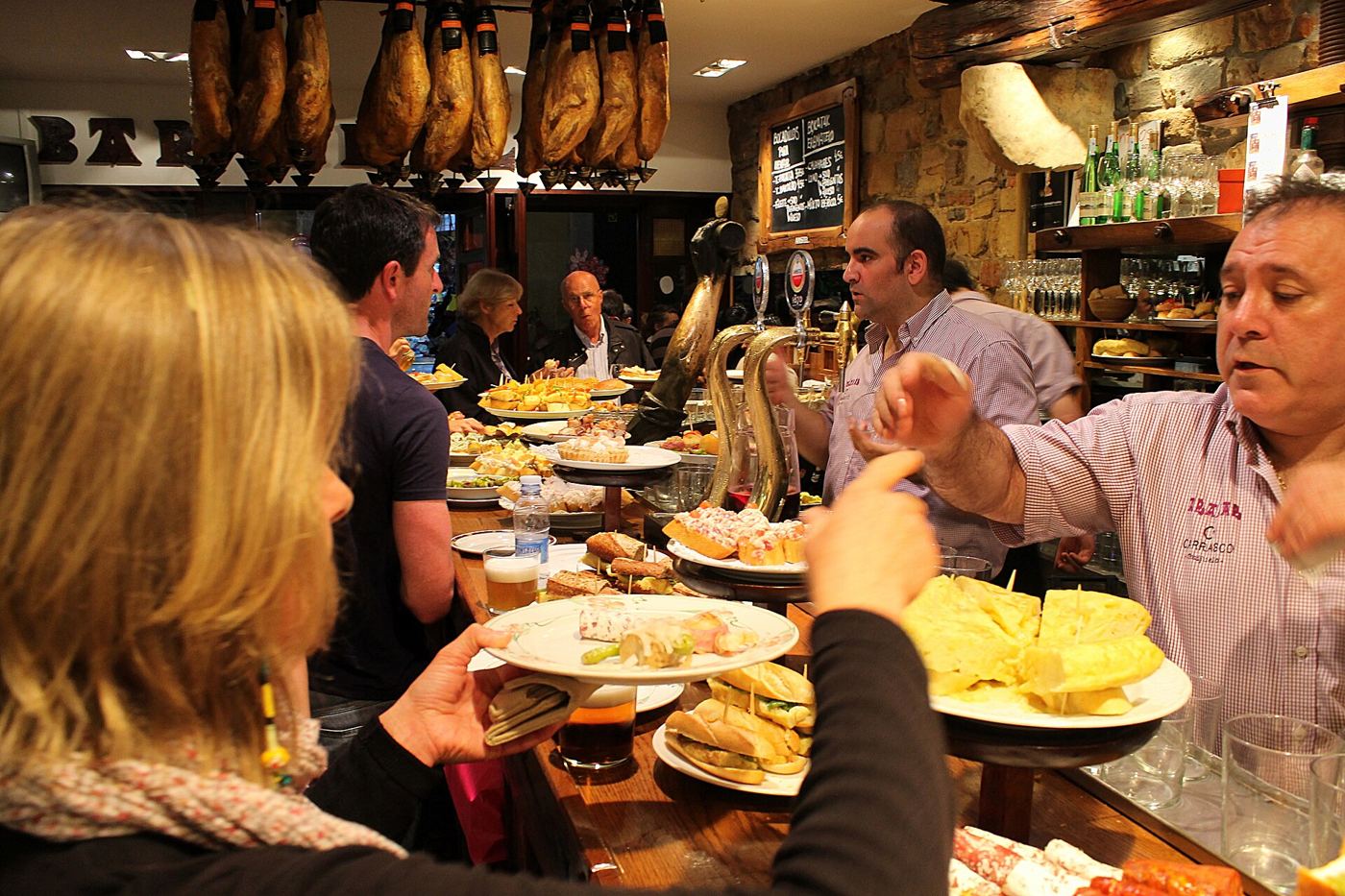
FoodEating your way through the Basque Country, one pintxo bar at a time
San Sebastián's Parte Vieja, Bilbao's Casco Viejo, txakoli in Getaria and the etiquette of the counter.
 Walking
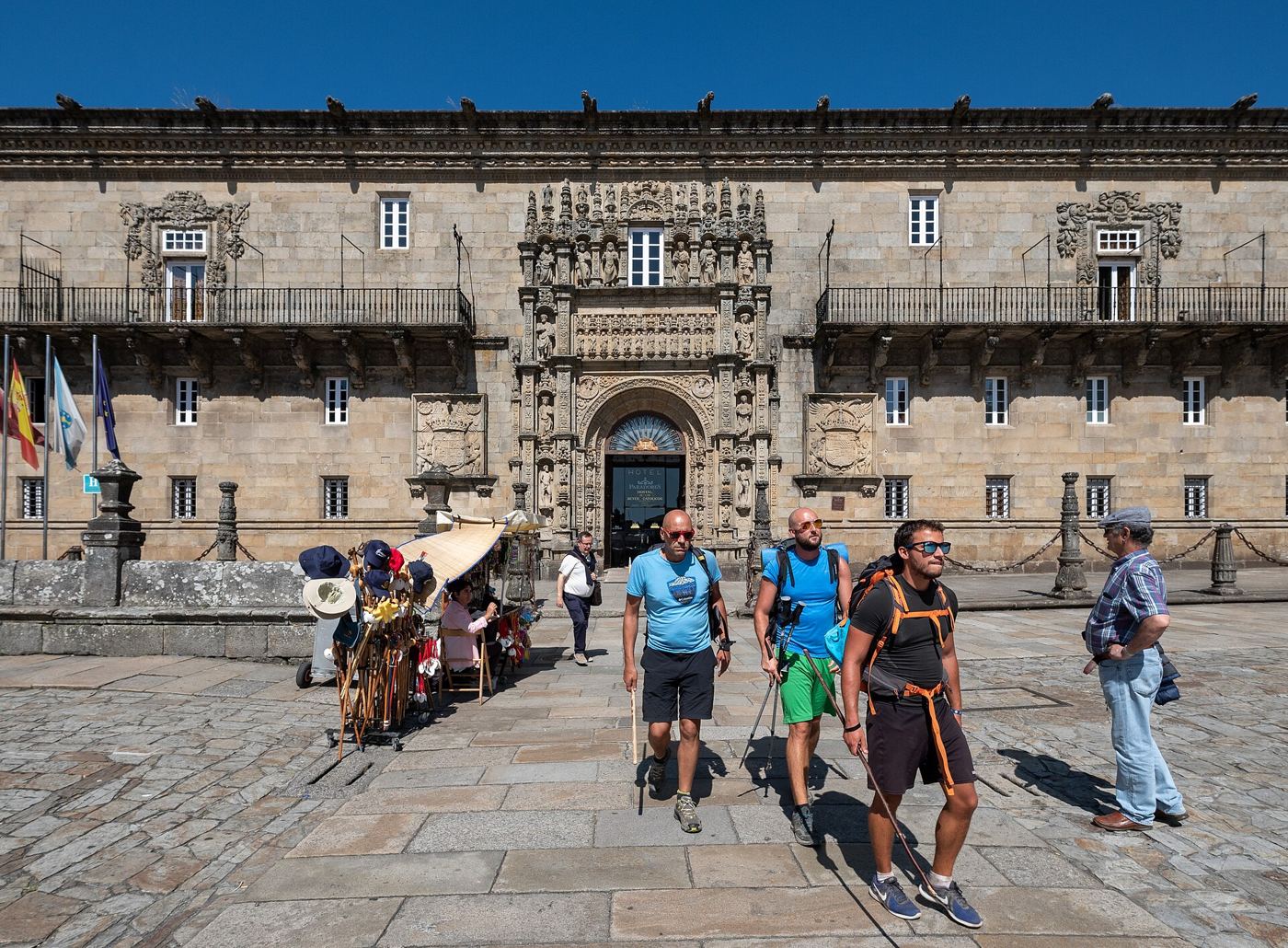
Galicia on foot: the last 100 km of the Camino, then the coast the pilgrims miss
Sarria to Santiago in five days, the Cíes islands permit, and octopus in Melide.
 City
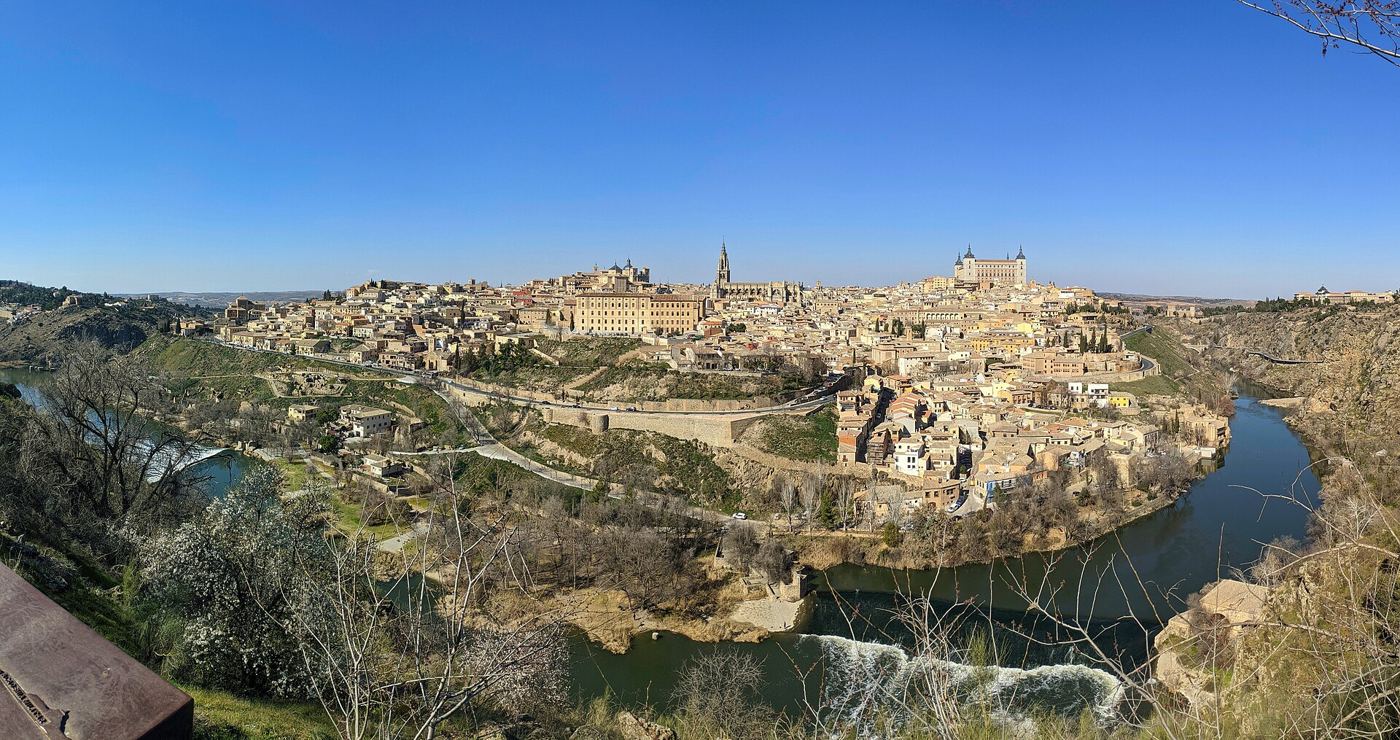
CityMadrid as a base: three museums, four neighbourhoods and Castile in under an hour
Toledo in 33 minutes, Segovia in 28, and how to eat dinner at 22:00 without falling over.