Journal · Food · Basque Country
Eating your way through the Basque Country, one pintxo bar at a time
San Sebastián has more Michelin stars per head than almost anywhere on earth, but the best meals in the Basque Country are eaten standing up, in three bites, for €3.
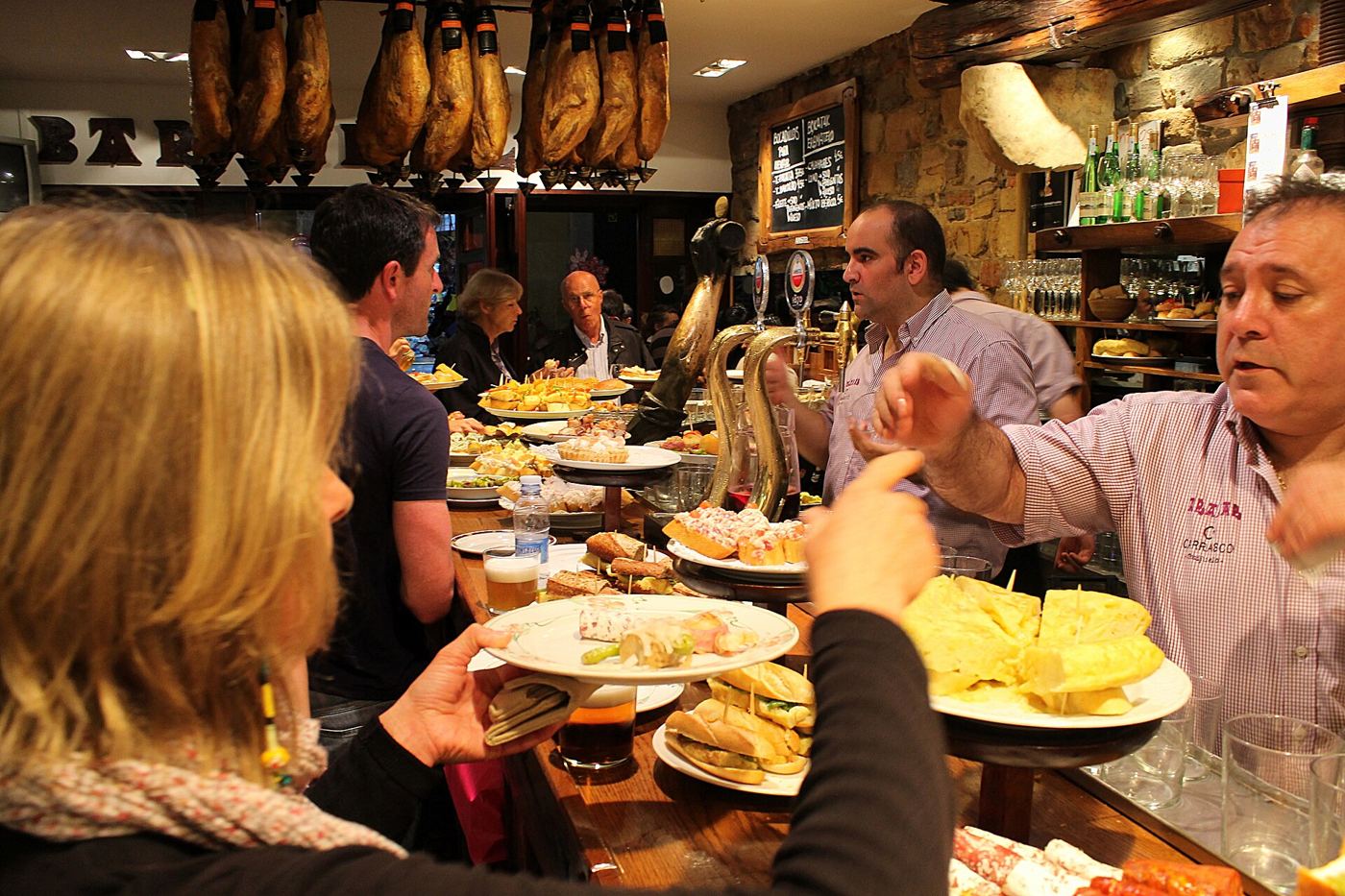 Parte Vieja, San Sebastián
The rules of the counter
A pintxo is a small plate, usually one or two bites, often on bread with a toothpick through it. The word comes from pinchar, to pierce. You do not sit down and order five. You walk into a bar, order one or two of what that bar is known for and a small drink, eat them at the counter, pay, and move to the next bar. A txikiteo, the bar crawl, might cover six bars in two hours. Ask for the specials from the kitchen, the hot pintxos, rather than the cold ones on the bar; the cold ones are for tourists in a hurry. Pay when you leave and be honest about what you ate: the system runs on trust.
Drink a zurito (a small beer), a txakoli (the local slightly fizzy white, poured from height to aerate it) or a crianza from Rioja Alavesa, which is the Basque part of Rioja.
San Sebastián
The Parte Vieja, the old town between the harbour and the Urumea river, has the highest concentration of good bars in Spain. Our route: start at Ganbara for the wild mushrooms with an egg yolk, then Bar Néstor for the tomato salad and the tortilla, which they make twice a day and you have to put your name down for at 12:00 or 19:00. La Cuchara de San Telmo for the braised veal cheek and the foie. Borda Berri for the risotto and the pig's ear. Txepetxa for anchovies done a dozen ways. That is dinner.
Across the river, Gros is the neighbourhood locals moved to when the Parte Vieja got busy. Bar Bergara and Ramuntxo Berri are the anchors, and Zurriola beach outside has the surfers. For a proper sit-down lunch, the cider houses (sagardotegi) in Astigarraga, twenty minutes away, serve a fixed menu of cod omelette, chorizo cooked in cider, an enormous chop and cheese with quince, while you draw cider straight from the barrels. The season runs January to April.
If you want a starred restaurant, Arzak, Mugaritz, Akelarre and Martín Berasategui are all within half an hour and need booking months out. We would rather send you to one great Basque grill: Elkano in Getaria, where a whole turbot is cooked over coals with nothing but oil, or Etxebarri in Axpe, an hour inland, which many consider the best grill restaurant in the world.
Bilbao
Bilbao is a working industrial city that reinvented itself around the Guggenheim, and it eats seriously. The Casco Viejo, the seven streets of the old town, is the place for the txikiteo: Gure Toki and Sorginzulo on Plaza Nueva, then Café Bar Bilbao. On a Sunday morning the same plaza has a coin and stamp market, and everyone is there with a vermouth by noon. The Ribera market on the river is one of Europe's largest covered markets, with a bar floor upstairs. Across the river in Indautxu and around Ledesma street the bars are newer and less crowded. Visit the Guggenheim on a weekday morning and walk the riverside afterwards to the old Alhóndiga, now the Azkuna Zentroa cultural centre.
The coast between
The Euskotren narrow-gauge railway runs from San Sebastián to Bilbao along the coast in about 2h40. It is slow and it is the point. Get off at Zarautz for the long surf beach, Getaria for grilled fish and txakoli vineyards falling to the sea, Zumaia for the flysch cliffs, and Mundaka for the famous left-hand wave and the estuary of Urdaibai. In the other direction, Hondarribia on the French border has a fishing quarter, La Marina, whose bars rival San Sebastián's, and a five-minute boat across to Hendaye in France.
What to know
Basque, Euskara, is unrelated to any other living language and you will see it everywhere alongside Spanish. Kaixo (hello), eskerrik asko (thank you) and agur (goodbye) are appreciated. Lunch is 14:00, dinner 21:00, and the bars are at their best between 20:00 and 22:00. It rains: the Basque coast gets more rain than Ireland, which is why it is so green and why the food is so good. Bring a jacket in any month.
The calendar
Bilbao's Aste Nagusia, the Big Week, in late August is nine days of concerts, fireworks and street food. San Sebastián's Semana Grande is two weeks earlier, and its film festival in the second half of September fills the city with premières. The Tamborrada on 20 January, when the whole of San Sebastián marches through the night in drum companies, is the most Basque night of the year.
More from the journal
 Route
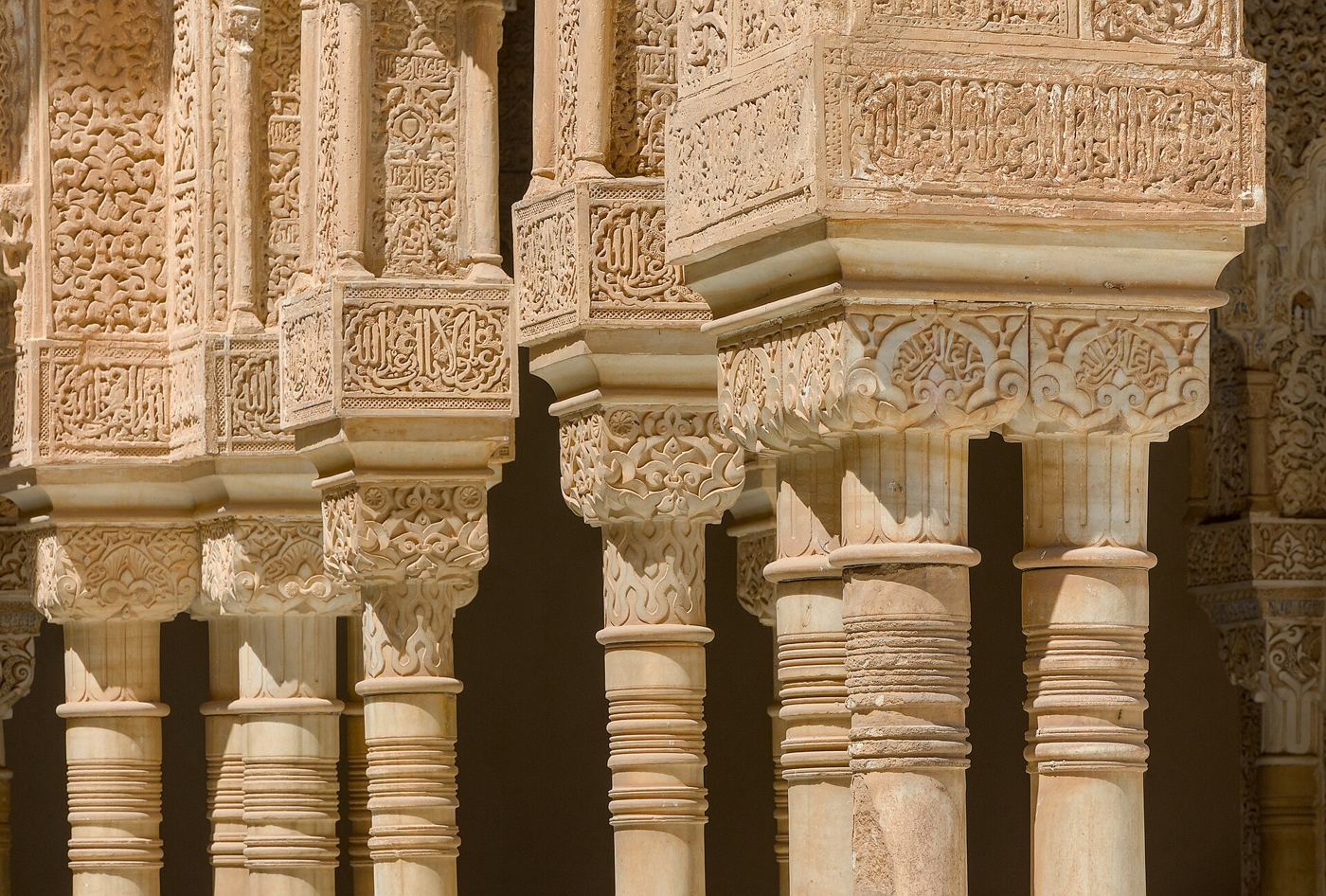
RouteAndalusia in eight days: Seville, Córdoba and Granada, with or without a car
Fly into Seville, out of Málaga. Booking the Alhambra, timing Semana Santa and the Feria, and why we skip July.
 Walking
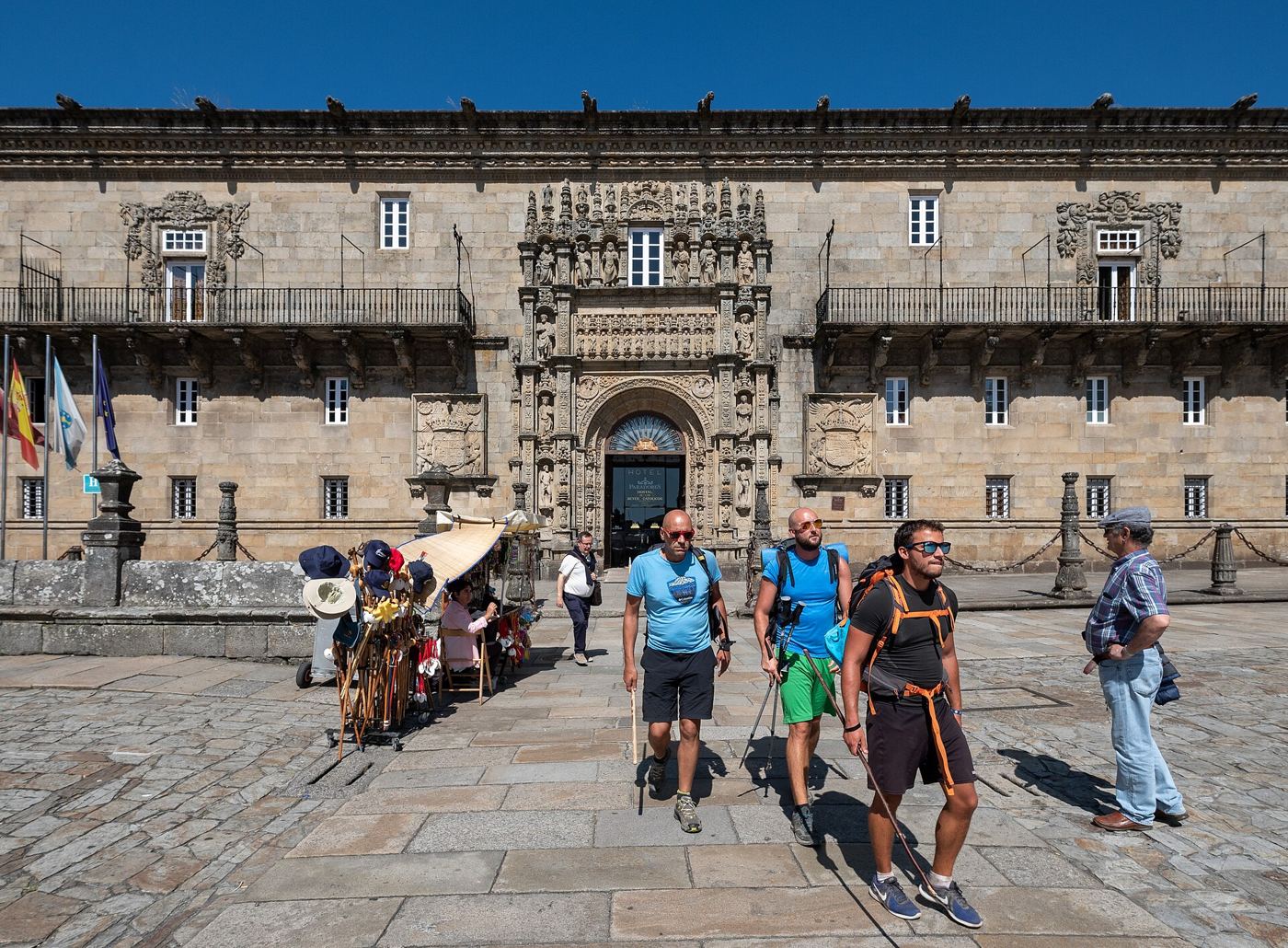
Galicia on foot: the last 100 km of the Camino, then the coast the pilgrims miss
Sarria to Santiago in five days, the Cíes islands permit, and octopus in Melide.
 City
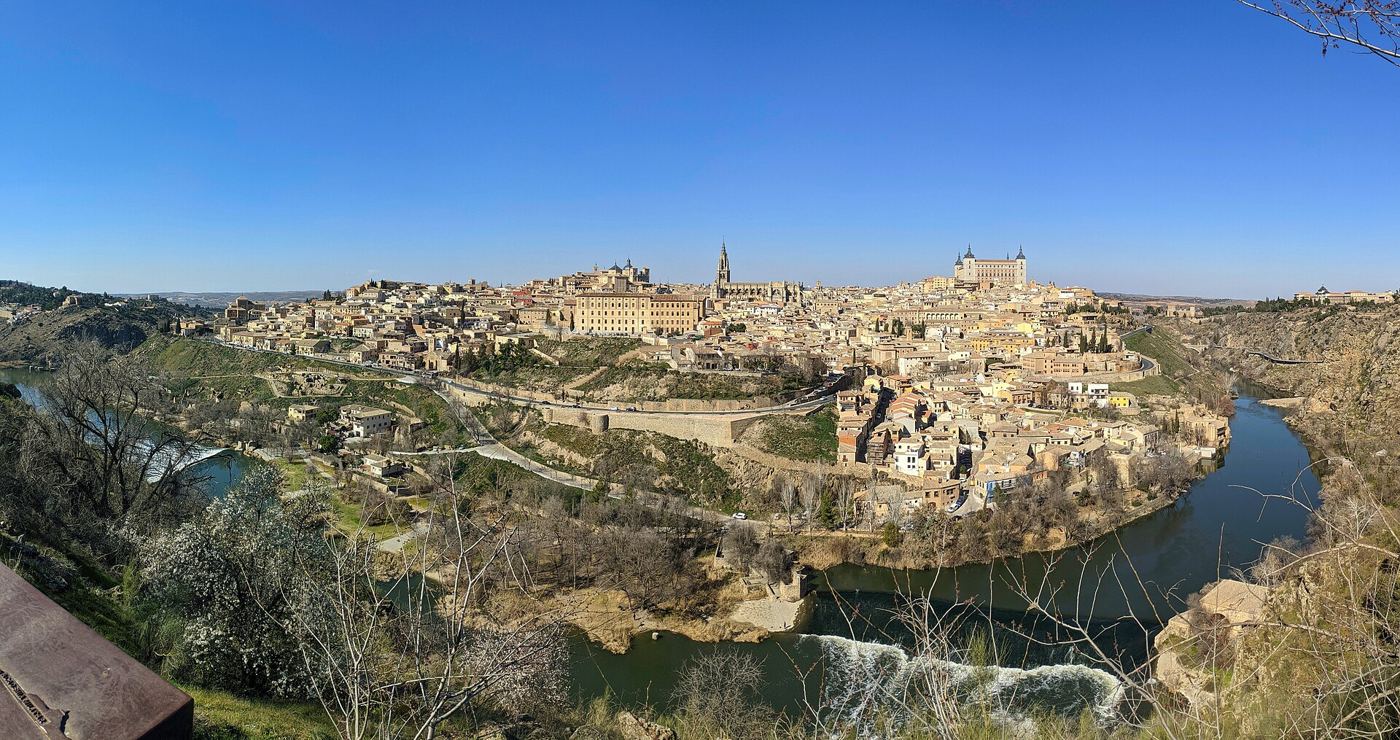
CityMadrid as a base: three museums, four neighbourhoods and Castile in under an hour
Toledo in 33 minutes, Segovia in 28, and how to eat dinner at 22:00 without falling over.