Journal · Islands · Balearics & Canaries
Mallorca, Menorca or the Canaries: choosing a Spanish island by month
Spain has two archipelagos 2,000 km apart with almost nothing in common except the language. Which one you want depends mostly on the date.
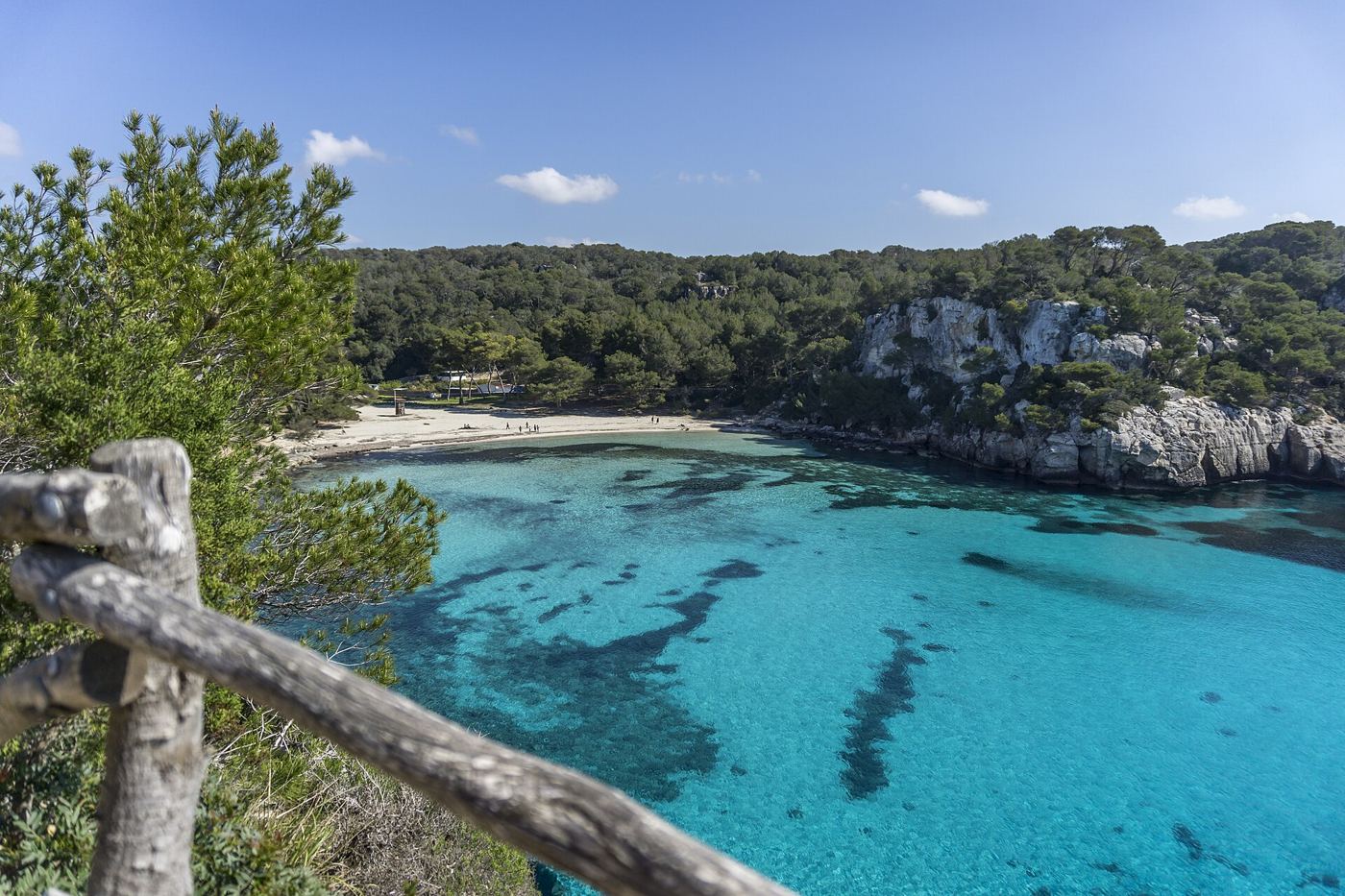 Cala Macarella, Menorca
The short answer
April to June and September to October: the Balearics. July and August: Menorca if you must, or the mountains of Mallorca, never the resorts. November to March: the Canaries, where it is 20 to 24 °C when Madrid is at 5. That covers most cases. The rest of this post is the detail.
Mallorca is not what you think
Mallorca has a reputation for Magaluf and Playa de Palma, and both exist. It also has Palma, one of the most attractive cities in the Mediterranean, with a Gothic cathedral on the water, a maze of courtyards and a contemporary art scene that has made it a year-round destination. And it has the Serra de Tramuntana, a 90 km mountain range along the north-west coast, UNESCO-listed for its dry-stone terraces, with villages like Deià, Fornalutx and Valldemossa hanging above the sea. The wooden train from Palma to Sóller, running since 1912, is the way in. The GR 221 long-distance path runs the length of the range with mountain refuges; five to eight days end to end, and May and October are the months for it. Cyclists come from February to April for the climbs, especially Sa Calobra, a road that coils down to a cove and back up like a discarded ribbon.
Stay in Palma, Sóller or a finca in the interior around Sineu, and drive or bus to the coves. The east coast calas around Santanyí are the prettiest; get there before 10:00 in summer or don't bother.
Menorca is the quiet one
A third the size of Mallorca and a tenth as busy, Menorca has been a UNESCO biosphere reserve since 1993 and has kept its coast almost entirely free of high-rise. The Camí de Cavalls, an old military bridle path, circles the whole island in 185 km, passing every one of its beaches; it divides into twenty stages and can be walked, run or ridden in a week to ten days, or in sections from a base. The south-coast calas, Macarella, Macarelleta, Turqueta and Mitjana, are the ones on the postcards, with white sand and water the colour of a swimming pool. In summer car access is restricted and you walk in from car parks or bus stops, which keeps them bearable.
Menorca has two towns worth staying in: Ciutadella, the old capital, all honey-coloured palaces and a harbour of restaurants, and Maó, the current one, on one of the largest natural harbours in the world, with a British Georgian tinge from the 18th century occupation, which is also why Menorcans drink gin. Bronze Age monuments, the talayots and taulas, stand in fields everywhere. Best in May, June, September and early October; the island half closes from November to Easter.
Ibiza and Formentera, briefly
Ibiza's club scene is the best in the world and runs from late May to early October, with Pacha, Amnesia, Ushuaïa and Hï pulling the biggest DJs. It is very expensive. The island also has a walled old town, Dalt Vila, and a quiet, hippie-inflected north around Sant Joan that has nothing to do with the clubs. Formentera, thirty minutes by ferry, is flat, tiny and has the whitest beaches in Spain; Ses Illetes is the one. Go in June or September.
The Canaries for winter
Off the coast of Morocco, the Canaries are volcanic, subtropical and reliably warm all year, which is why northern Europe fills them from November to March. Each island is different:
- Tenerife: the biggest, with Mount Teide, Spain's highest peak at 3,715 m, rising from a moonscape national park. Take the cable car, or book the permit to walk the final stretch to the summit. The north of the island, around La Orotava and Garachico, is green and traditional; the south is resorts.
- Lanzarote: black lava fields, white villages and the work of César Manrique, the artist who shaped how the island was built and kept it low-rise. Timanfaya national park, the Jameos del Agua caves, wine grown in volcanic craters at La Geria.
- La Palma: the green, steep, quiet one, with the Caldera de Taburiente and some of the darkest skies in Europe; the observatory at Roque de los Muchachos is one of the world's most important. For walkers and stargazers.
- La Gomera: an hour by ferry from Tenerife, with the laurel forest of Garajonay and a whistled language, Silbo, still taught in schools. Hiking only.
- Fuerteventura: wind, dunes and the best surf and kite beaches in Spain, at Corralejo and Sotavento.
Fly; the ferry from Cádiz or Huelva takes over thirty hours. Inter-island ferries with Fred. Olsen and Armas are fast and frequent. The northern coasts of the western islands are cloudier and greener, the southern coasts drier and sunnier; that matters for where you stay in winter.
Getting to the Balearics by sea
Palma, Menorca and Ibiza all have direct flights from Amsterdam of around 2h30, and a hire car is the right call on all three: buses reach the towns, but not the coves. Book the car with the flight; in July and August the islands run out. If you are combining the Balearics with mainland Spain, Baleària ferries run from Valencia and Dénia (2h to Ibiza on the fast boat) and overnight from Barcelona.
More from the journal
 Route
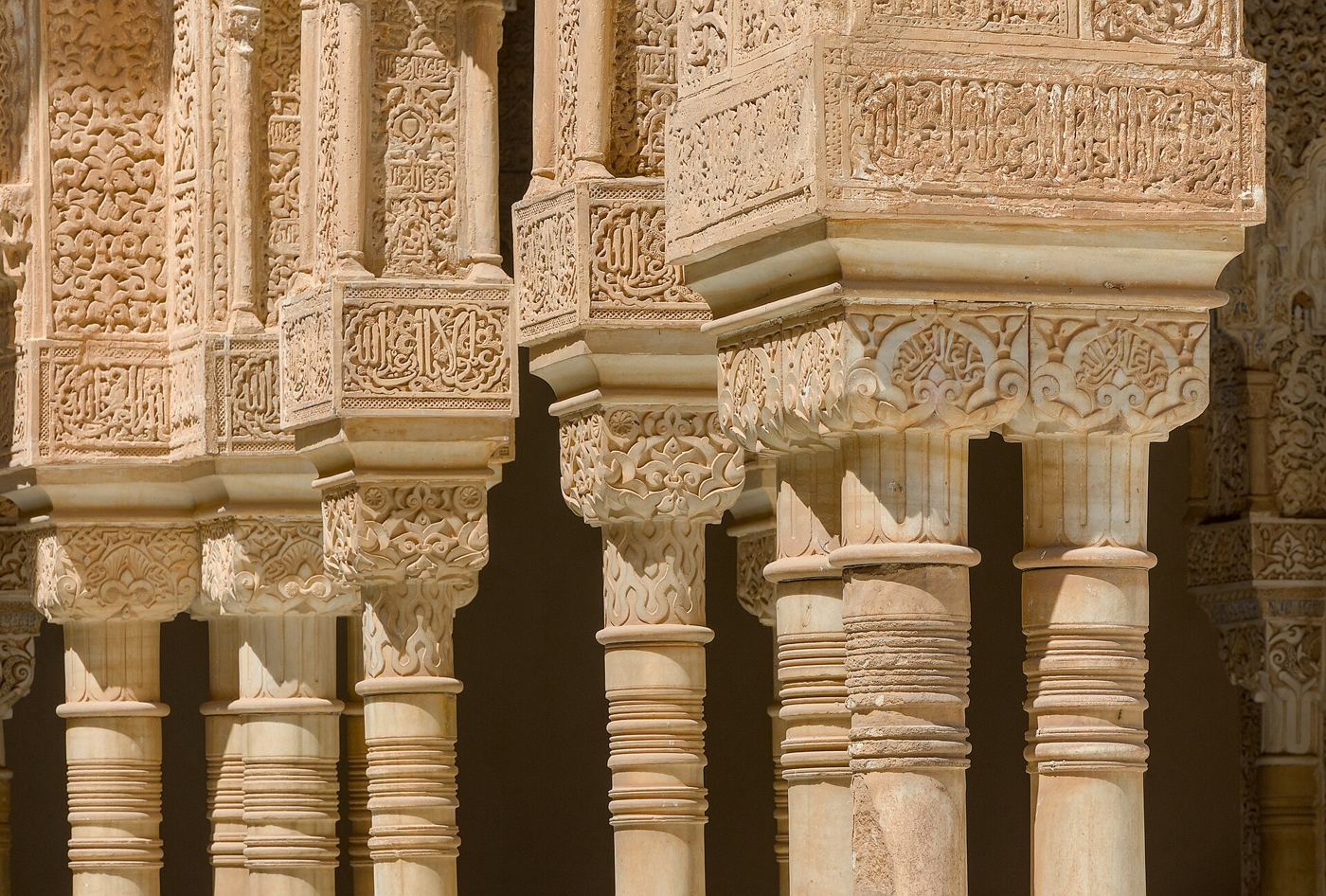
RouteAndalusia in eight days: Seville, Córdoba and Granada, with or without a car
Fly into Seville, out of Málaga. Booking the Alhambra, timing Semana Santa and the Feria, and why we skip July.
 Food
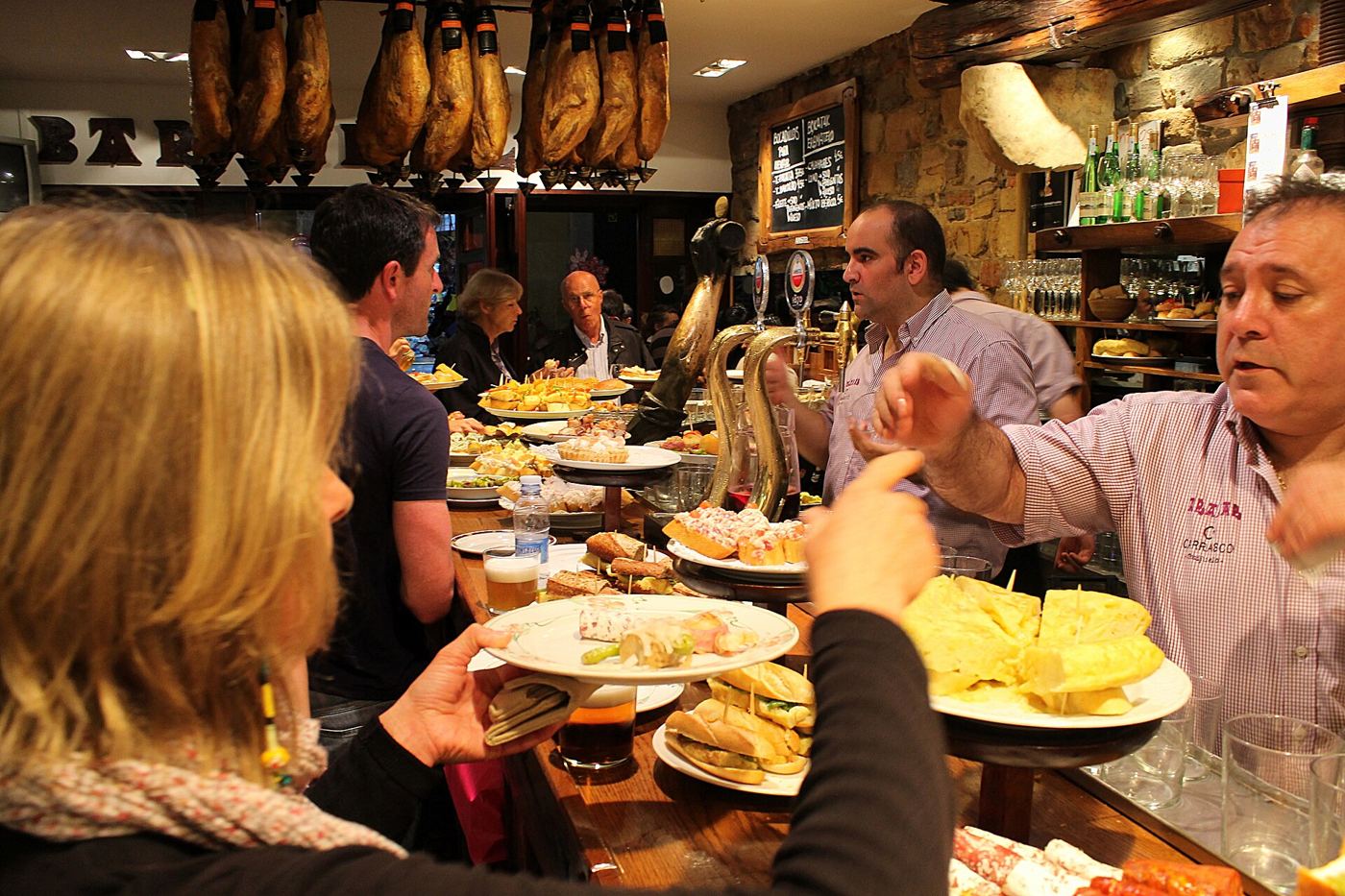
FoodEating your way through the Basque Country, one pintxo bar at a time
San Sebastián's Parte Vieja, Bilbao's Casco Viejo, txakoli in Getaria and the etiquette of the counter.
 Walking
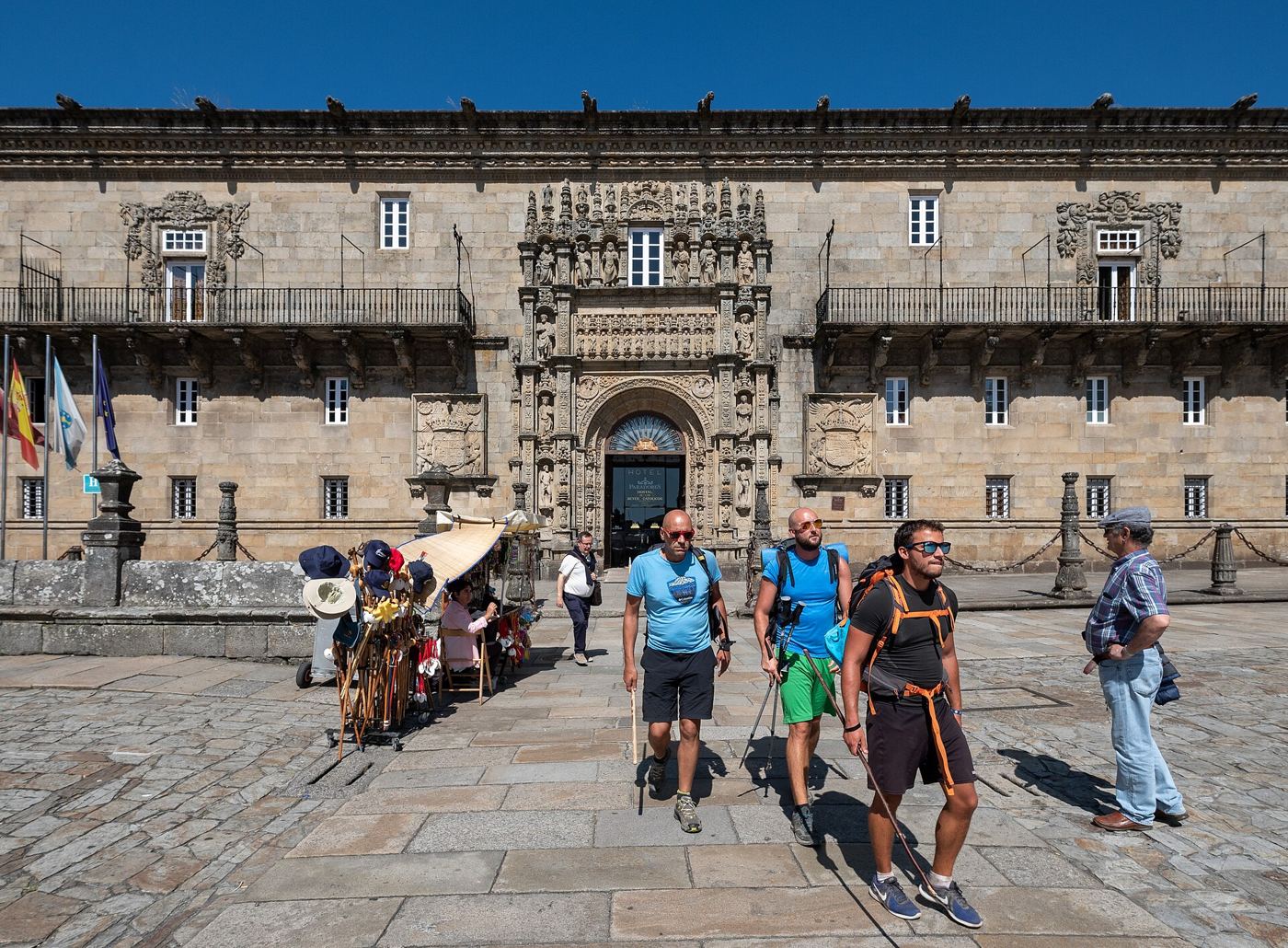
Galicia on foot: the last 100 km of the Camino, then the coast the pilgrims miss
Sarria to Santiago in five days, the Cíes islands permit, and octopus in Melide.