Journal · City · Madrid & Castile
Madrid as a base: three museums, four neighbourhoods and Castile in under an hour
Madrid has a big airport and trains to everywhere, which makes it the easiest city in Europe to leave for a day. You do not need a car here. Stay five nights, and spend two of the days somewhere else.
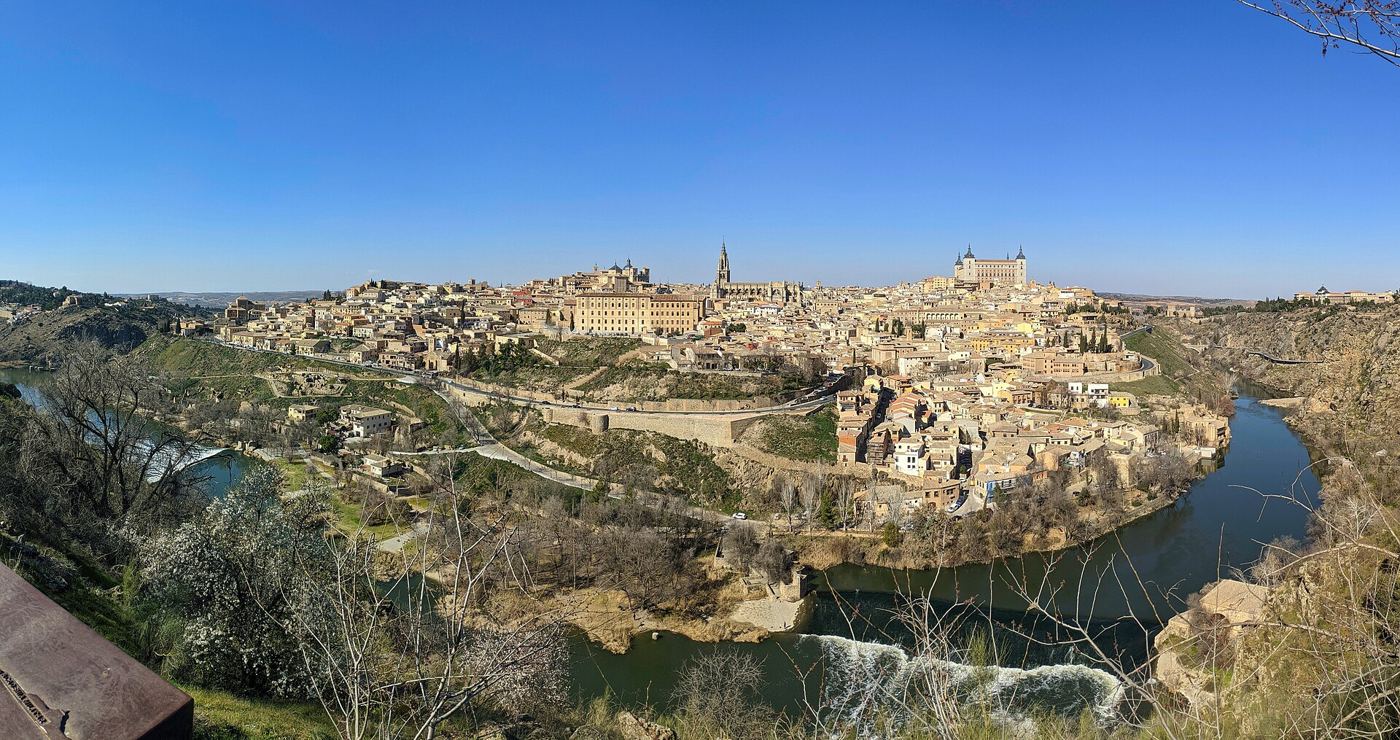 Toledo from the Mirador del Valle
The city first
Madrid does not have a Sagrada Família or an Alhambra. What it has is the Paseo del Arte, three of the world's great art museums within a fifteen-minute walk: the Prado for Velázquez, Goya and Bosch; the Reina Sofía for Picasso's Guernica and Spanish modernism; the Thyssen-Bornemisza for everything in between. Do one per day, never two. The Prado is free for the last two hours every day, which is when locals go; go then for a second visit, not the first. Between them, the Retiro park with its glass palace and rowing lake is where Madrid spends Sunday.
Four neighbourhoods
Malasaña, north of Gran Vía, is the old countercultural quarter, now full of vintage shops, specialty coffee and bars that get going at midnight. Chueca next door is the LGBTQ+ heart of the city and hosts one of Europe's largest Pride events in early July. Lavapiés, south of the centre, is the most mixed and most interesting: Senegalese, Bangladeshi and Andalusian in the same street, with the Tabacalera art space and the Sunday Rastro flea market on its edge. La Latina on Sunday afternoon, after the Rastro, is when the whole city seems to be on Calle Cava Baja eating and drinking at the same time. Stay in Malasaña or around Las Letras, the old literary quarter behind the museums.
Eating on Madrid time
Madrid eats later than anywhere else in Spain. Lunch is 14:30, dinner from 21:30 and often 22:30. Bridge the gap the way locals do: a caña and a tapa at 20:00 before dinner, not instead of it. The classics are worth their fame: cocido madrileño, the chickpea stew, at Malacatín or La Bola on a cold day; a bocadillo de calamares near Plaza Mayor; churros and chocolate at San Ginés at 02:00 after the bars. The Mercado de San Miguel is pretty and overpriced; Mercado de Antón Martín and Mercado de Vallehermoso are where you should eat instead.
Castile in under an hour
The AVE and Avant trains from Atocha and Chamartín put three UNESCO cities inside a day trip. Book the Avant regional high-speed services rather than the AVE: same track, same time, half the price.
- Toledo, 33 minutes from Atocha. The old imperial capital on its rock above the Tagus, where the Cathedral, El Greco's Burial of the Count of Orgaz in Santo Tomé, the synagogues and the mosque of Cristo de la Luz sit within ten minutes' walk of each other. Take the bus or a taxi up the hill from the station, and walk down. Stay for dinner: Toledo after the day-trippers leave is a different city.
- Segovia, 28 minutes from Chamartín. The Roman aqueduct, 28 m high and held together with nothing but gravity, the fairytale Alcázar, and cochinillo, roast suckling pig, carved with the edge of a plate at Mesón de Cándido or José María. Book lunch.
- Ávila, 1h30 by regional train. The best-preserved medieval walls in Europe, 2.5 km long with 88 towers, walkable along the top. Cold in winter, quiet always.
Closer still, El Escorial, Philip II's monastery-palace, is an hour on the Cercanías C-3 line, and Aranjuez, with its royal palace and gardens on the Tagus, 45 minutes on the C-3 in the other direction. In May and October a heritage steam train, the Tren de la Fresa, runs there on weekends with hostesses handing out strawberries.
Further, if you have the days
Salamanca, 1h35 by train, has the most beautiful Plaza Mayor in Spain and a university founded in 1218; the sandstone glows at sunset. Cuenca, 55 minutes on the AVE towards Valencia, has houses hanging over a gorge and a superb abstract art museum inside one of them. Both work as overnight stops rather than day trips.
When
Madrid is at 650 m and has a continental climate: cold, bright winters and brutal summers. May, June, September and October are the months. In August the city half empties and half the restaurants close, but the museums are quiet and the Veranos de la Villa festival puts on open-air concerts and films. The San Isidro festival around 15 May is Madrid's own, with concerts in Las Vistillas and the old-fashioned chotis dance in the streets.
More from the journal
 Route
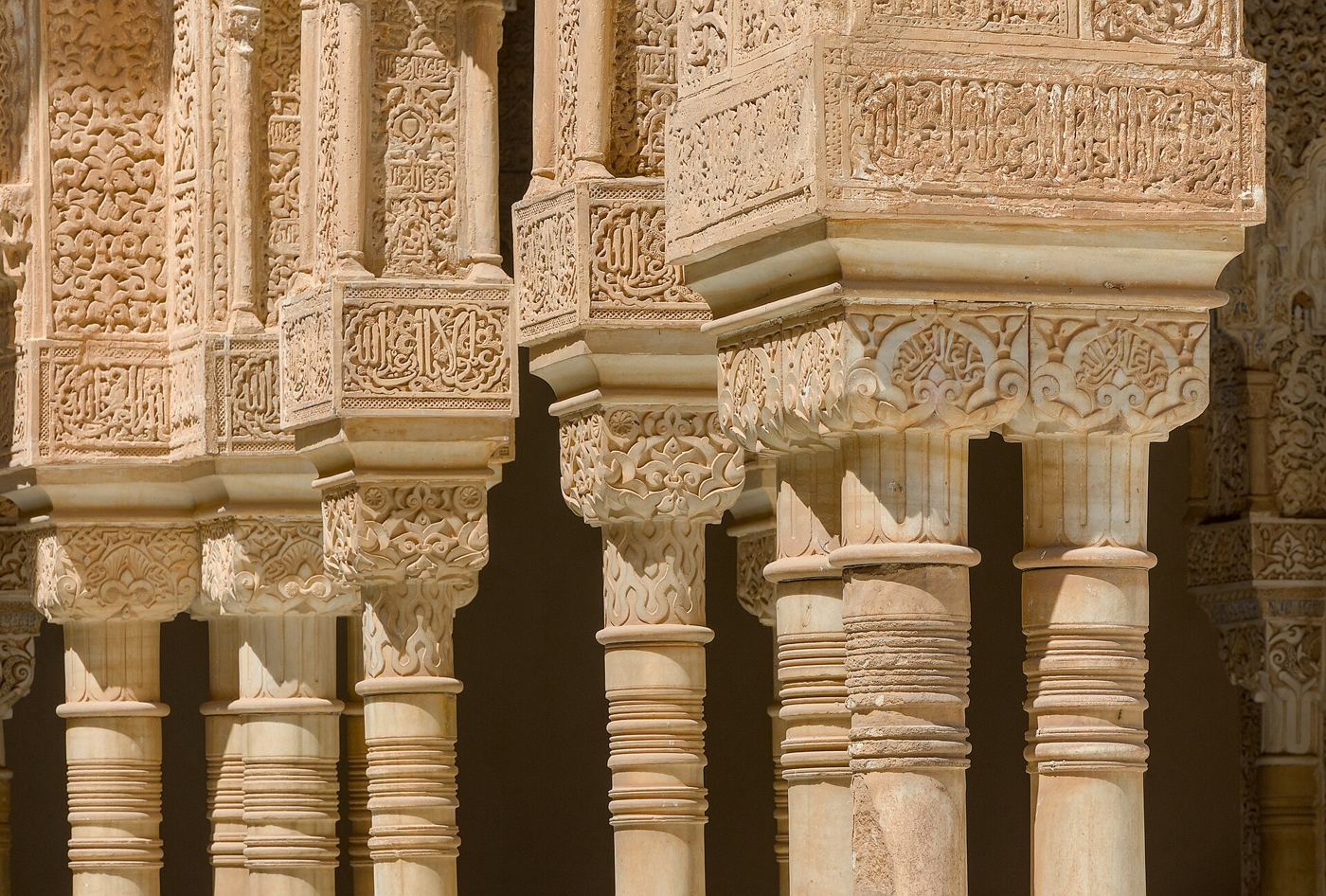
RouteAndalusia in eight days: Seville, Córdoba and Granada, with or without a car
Fly into Seville, out of Málaga. Booking the Alhambra, timing Semana Santa and the Feria, and why we skip July.
 Food
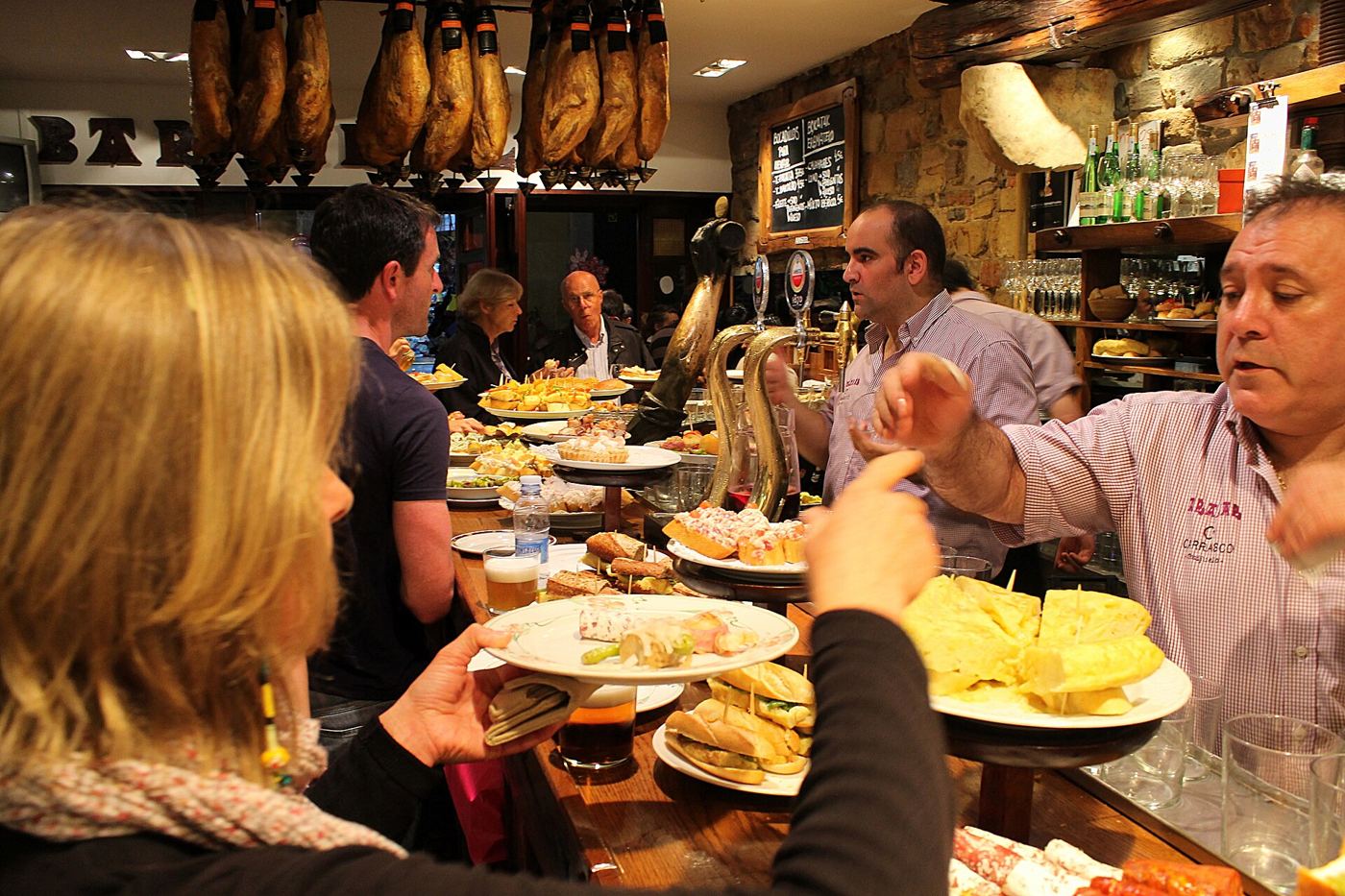
FoodEating your way through the Basque Country, one pintxo bar at a time
San Sebastián's Parte Vieja, Bilbao's Casco Viejo, txakoli in Getaria and the etiquette of the counter.
 Walking
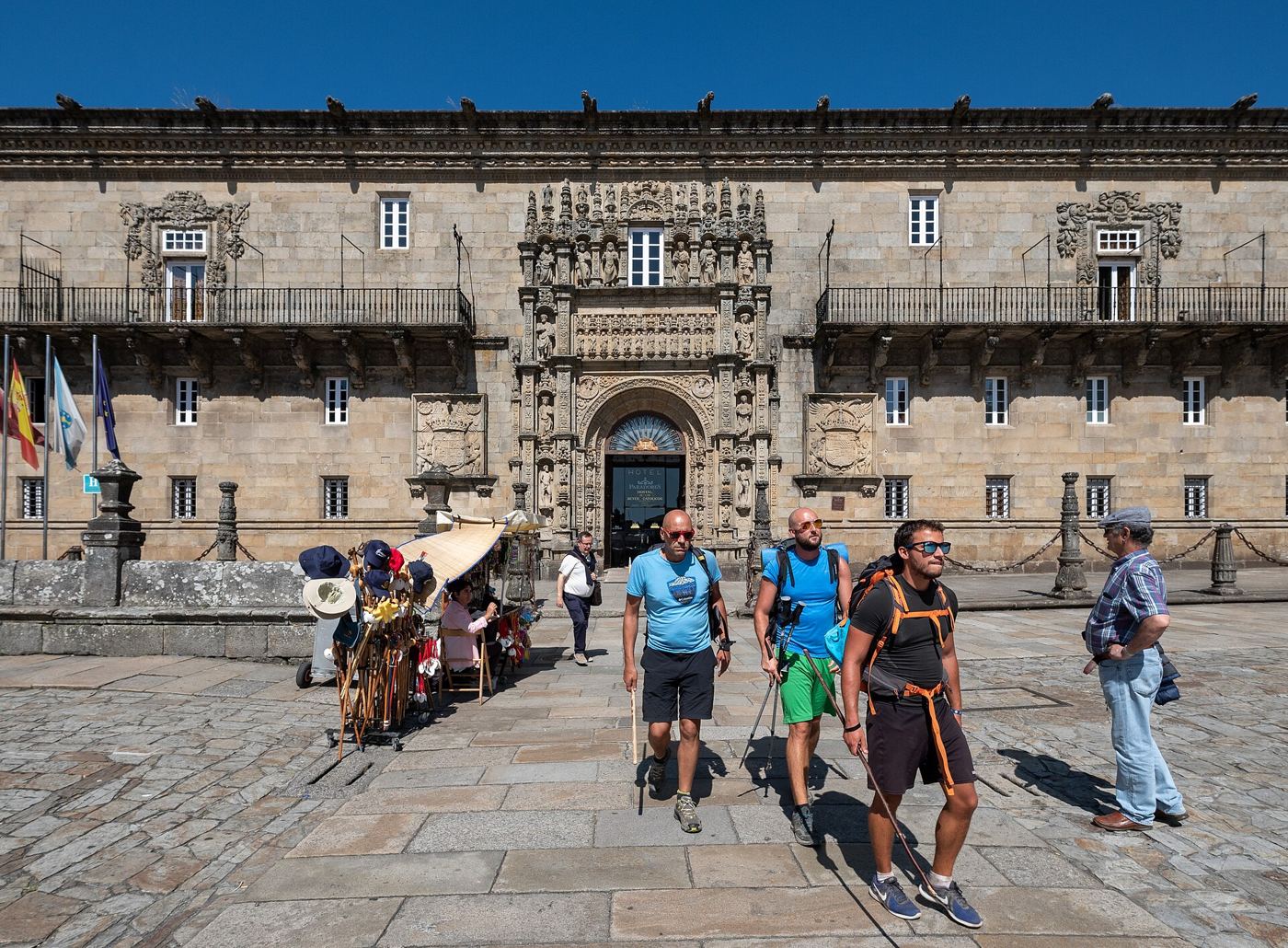
Galicia on foot: the last 100 km of the Camino, then the coast the pilgrims miss
Sarria to Santiago in five days, the Cíes islands permit, and octopus in Melide.