Journal · Sports & activities · Catalonia
A year of sport in Catalonia: ski in March, kayak in June, ride in October
Few regions let you ski in the morning and swim in the afternoon. Catalonia's mountains and coast are three hours apart by road, and the calendar of things to do never quite stops.
 Noguera Pallaresa, Pallars Sobirà
Winter: skiing the Catalan Pyrenees
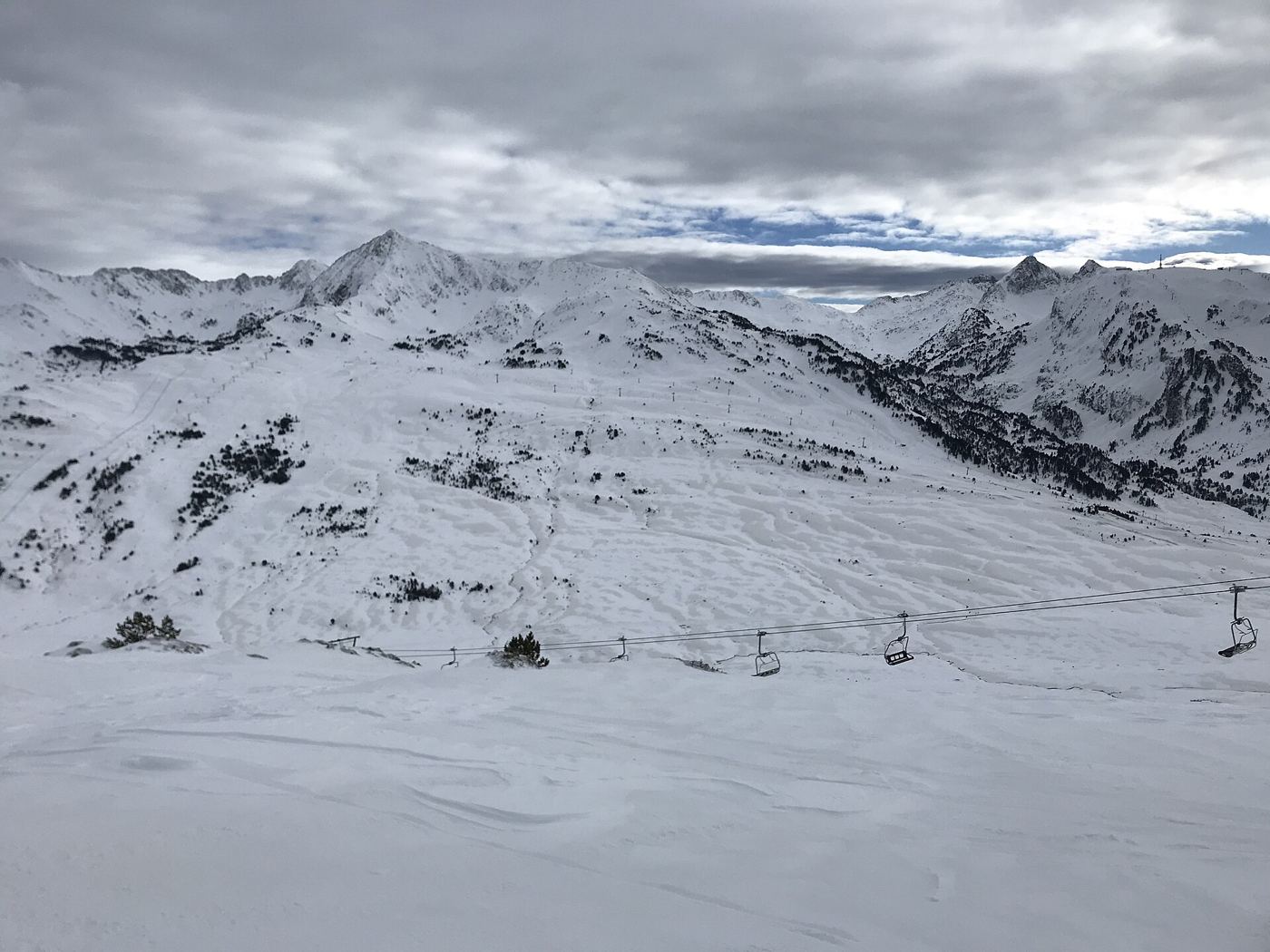
Baqueira-Beret in the Val d'Aran is the biggest and best resort in Spain, with 160 km of pistes, reliable snow from December to early April and a smart village at the bottom. It is where the Spanish royal family skis. La Molina, above Puigcerdà, is the oldest resort in Spain (first lift 1943) and links with Masella to make a decent-sized area that you can reach by Rodalies R3 train and a shuttle bus from Barcelona in about three hours. Smaller and cheaper: Port Ainé, Boí Taüll and Espot Esquí, all near the national park. Cross-country skiers head to Lles de Cerdanya and Tuixent-La Vansa.
Spring: cycling from Girona
Girona is a professional cycling town. Dozens of WorldTour riders live here for the weather and the roads, and the cafés around Plaça de la Independència fill with them on rest days. The climbs are the draw: Rocacorba (10 km, about 7%) is the local test piece, Els Àngels is the gentler evening loop, and the coast road from Sant Feliu to Tossa de Mar is one of the most beautiful stretches of tarmac in Europe. Gravel riding has taken off in the Empordà, with the Sea Otter Europe festival in Girona each spring. Bike hire and guided rides are easy to arrange; we book them with local outfits, not international chains.
For a gentler ride, Catalonia's Vies Verdes are old railway lines converted to traffic-free paths. The Carrilet route from Olot to Girona and on to Sant Feliu de Guíxols is 120 km, almost all downhill from the volcanoes to the sea.
Summer: water
Rafting and canyoning. The Noguera Pallaresa, between Llavorsí and Sort, is the best whitewater river in Spain, with snowmelt keeping it running from April to September. Rafting trips are from €40 to €60 for a two-hour run; canyoning in the side valleys is the local speciality, with guides based in Sort and Rialp.
Sea kayaking and snorkelling. The Costa Brava's rocky coast is made for kayaks. From L'Estartit you can paddle to the Illes Medes, a marine reserve where groupers the size of dogs swim up to look at you; the diving here is the best on the Spanish Mediterranean. Palamós, Llafranc and Cadaqués all have kayak hire for cove-hopping.
Windsurfing and kitesurfing. The tramuntana wind that funnels down the Bay of Roses makes Sant Pere Pescador one of Europe's most reliable kite spots, with a long, shallow, sandy beach and schools all along it.
Via ferrata over the sea. Sant Feliu de Guíxols has the Cala del Molí, one of the few via ferratas in Europe that runs directly above the water, with a wire bridge across the cove. It is free, it takes about two hours, and you need a harness, helmet and via ferrata set, which local shops hire.
Autumn: on foot
The GR 11 crosses the whole Pyrenees from the Atlantic to Cap de Creus; the Catalan section is its most spectacular, through the national park and down to the Mediterranean. September and early October are the perfect weeks: snow-free, stable weather, and empty refuges after the August crowds. The Carros de Foc refuge circuit and the Cavalls del Vent loop in the Cadí-Moixeró park are the two best multi-day routes for people who like a bed at night. Trail running has followed: the Ultra Pirineu in Bagà in late September brings out the whole region.
Spectator sport
FC Barcelona plays at the rebuilt Spotify Camp Nou, which reopened in stages from late 2025 after a two-year absence at Montjuïc. Tickets for league games are easier than you might expect if booked through the club. Girona FC at the small Montilivi stadium offers a far more local match-day feel. Motorsport fans have the Circuit de Barcelona-Catalunya in Montmeló, a Rodalies ride away, for Formula 1 and MotoGP. And castells, the human towers, are a sport in every sense; the Concurs de Castells in Tarragona's bullring, held every second October, is the world championship.
Putting it together
Our most requested active itinerary is ten days: three in Girona with two rides and a coast walk, three around Sort with rafting and a national park day, and four on the Costa Brava with kayaking and the via ferrata. Everything but the Pallars leg runs on public transport; there you will need a hire car.
More from the journal
 Nature
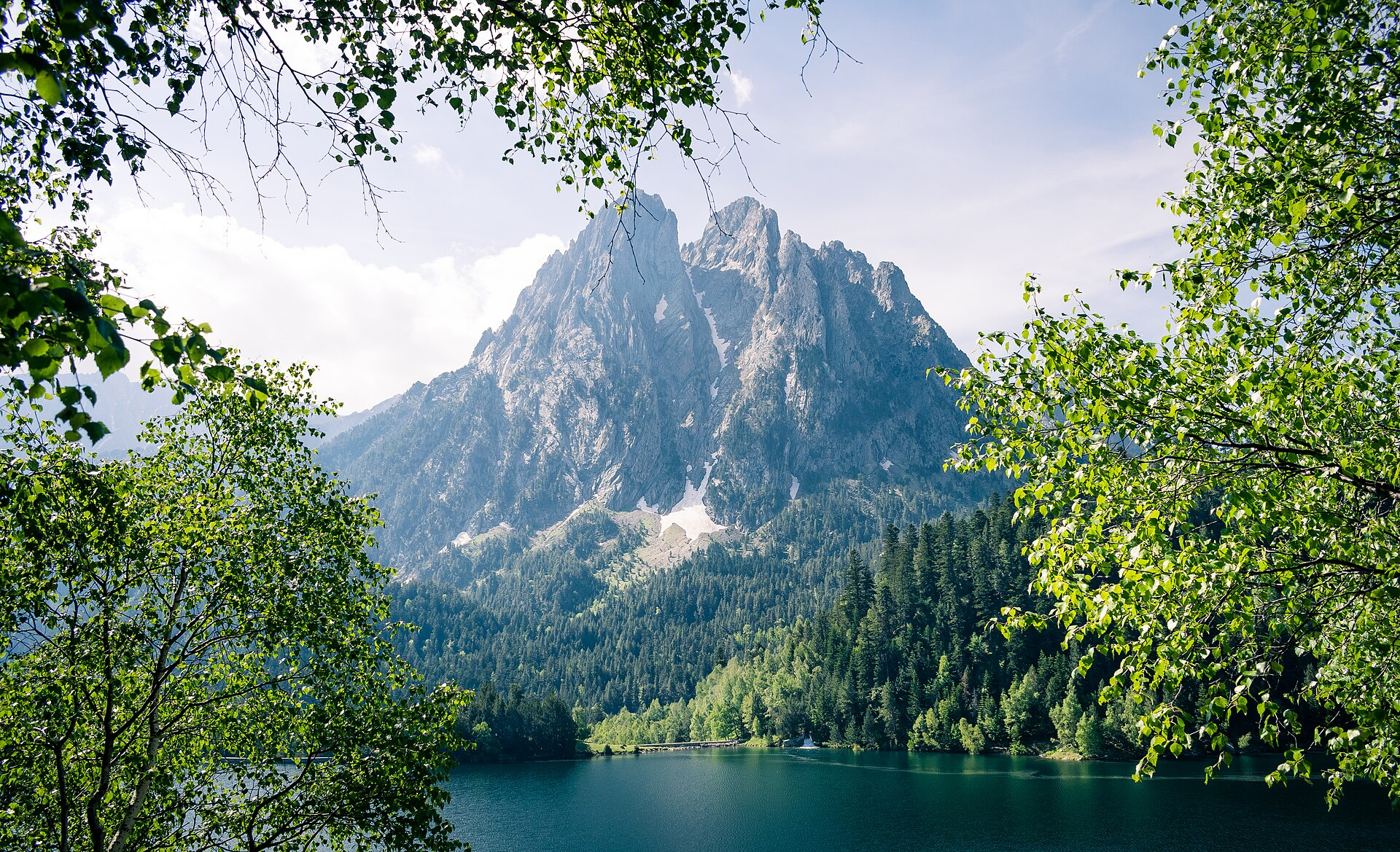
Catalonia beyond the beach: volcanoes, wetlands and one national park
From the beech forest of La Garrotxa to the lakes of Aigüestortes, an hour or two inland from Girona or Barcelona.
 Party scene
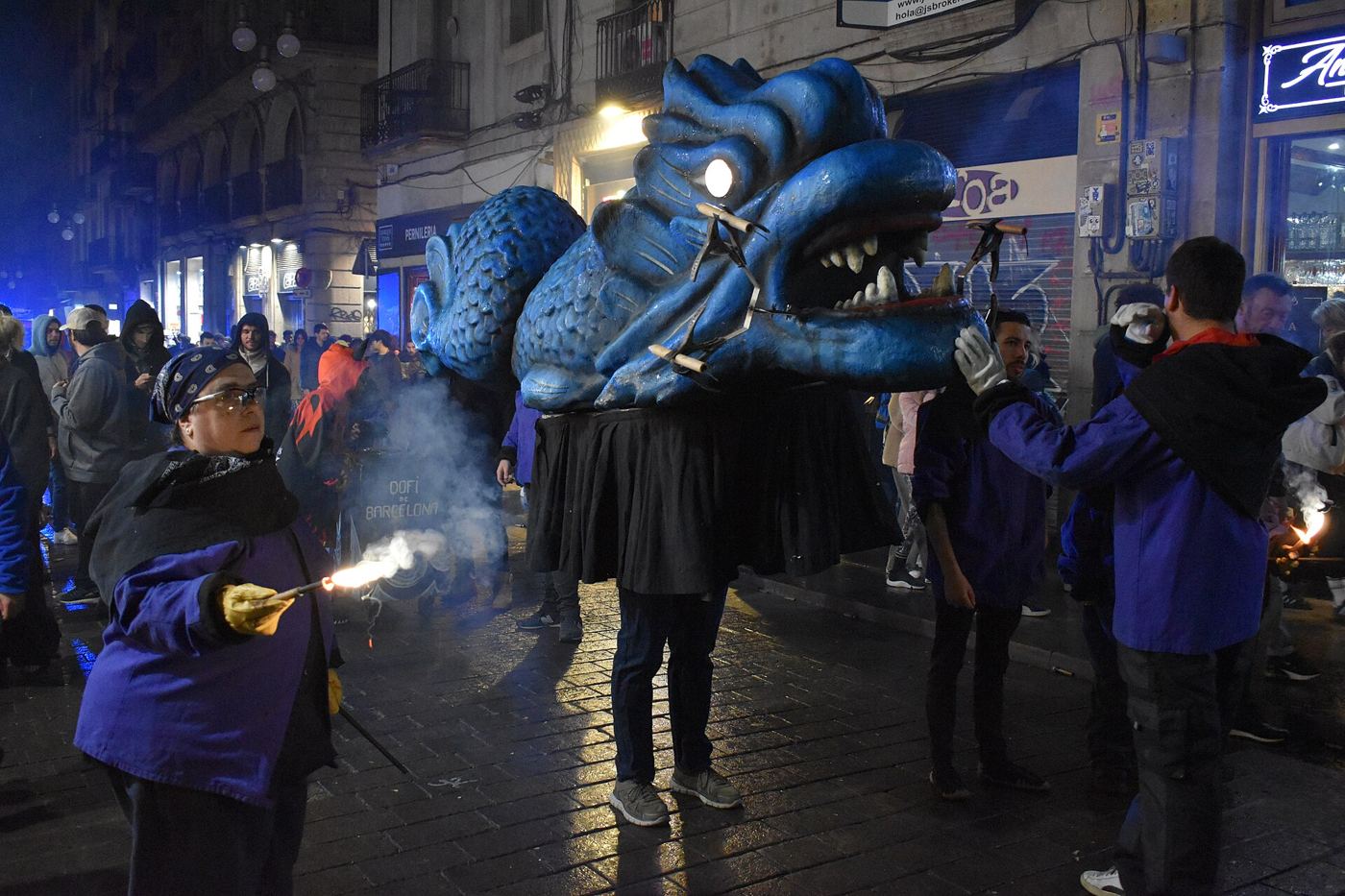
How Catalonia parties: from Sónar to the fire runs of La Mercè
Barcelona's club calendar, Sitges carnival, and the village festes majors that outlast any nightclub.
 Backpacking
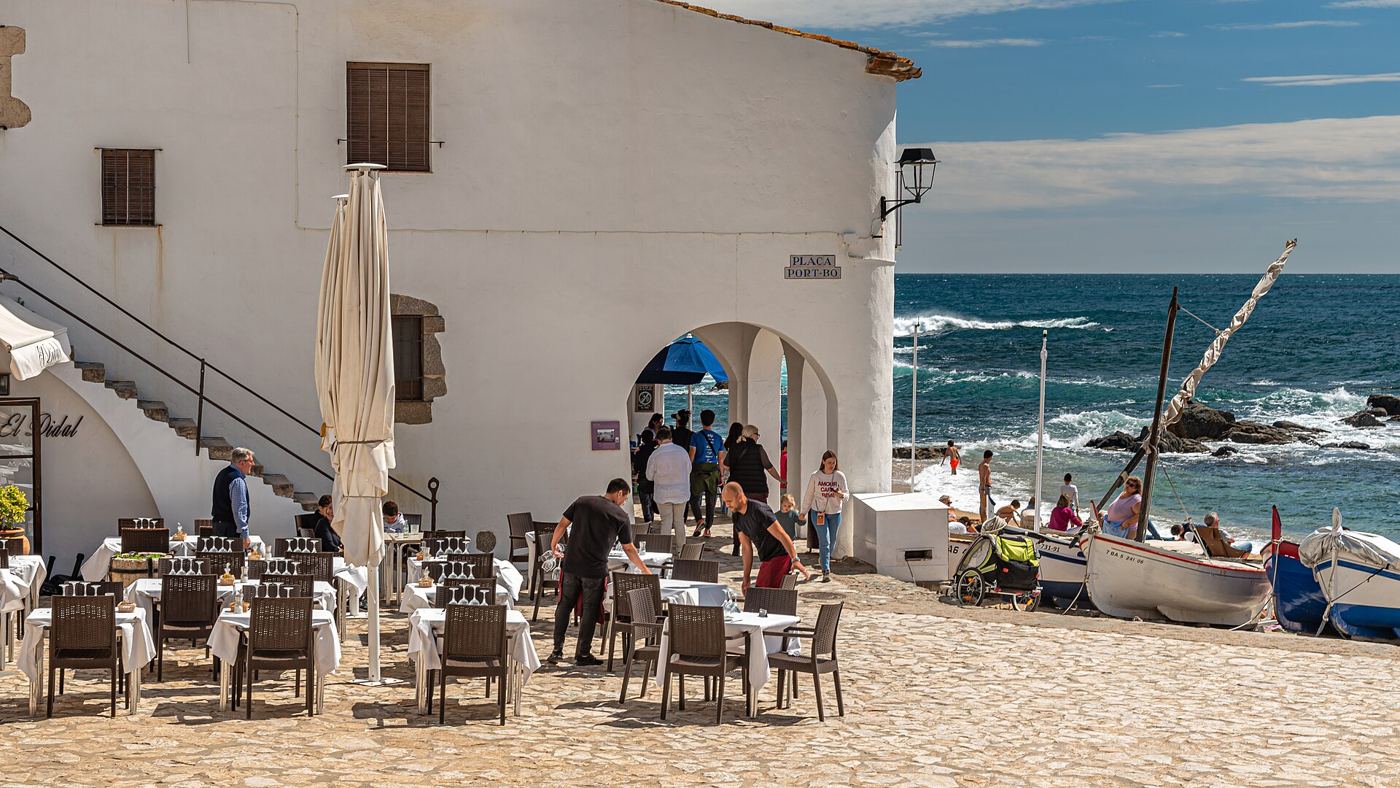
Catalonia on €55 a day: a backpacker's route from Girona to the Ebro
Regional trains, the Camí de Ronda, menú del dia lunches and the hostels worth the extra euro.