Journal · Nature · Catalonia
Catalonia beyond the beach: volcanoes, wetlands and one national park
Most visitors see Catalonia from a towel. An hour or two inland gets you dormant volcanoes, a beech forest growing on lava, and the only national park in the region.
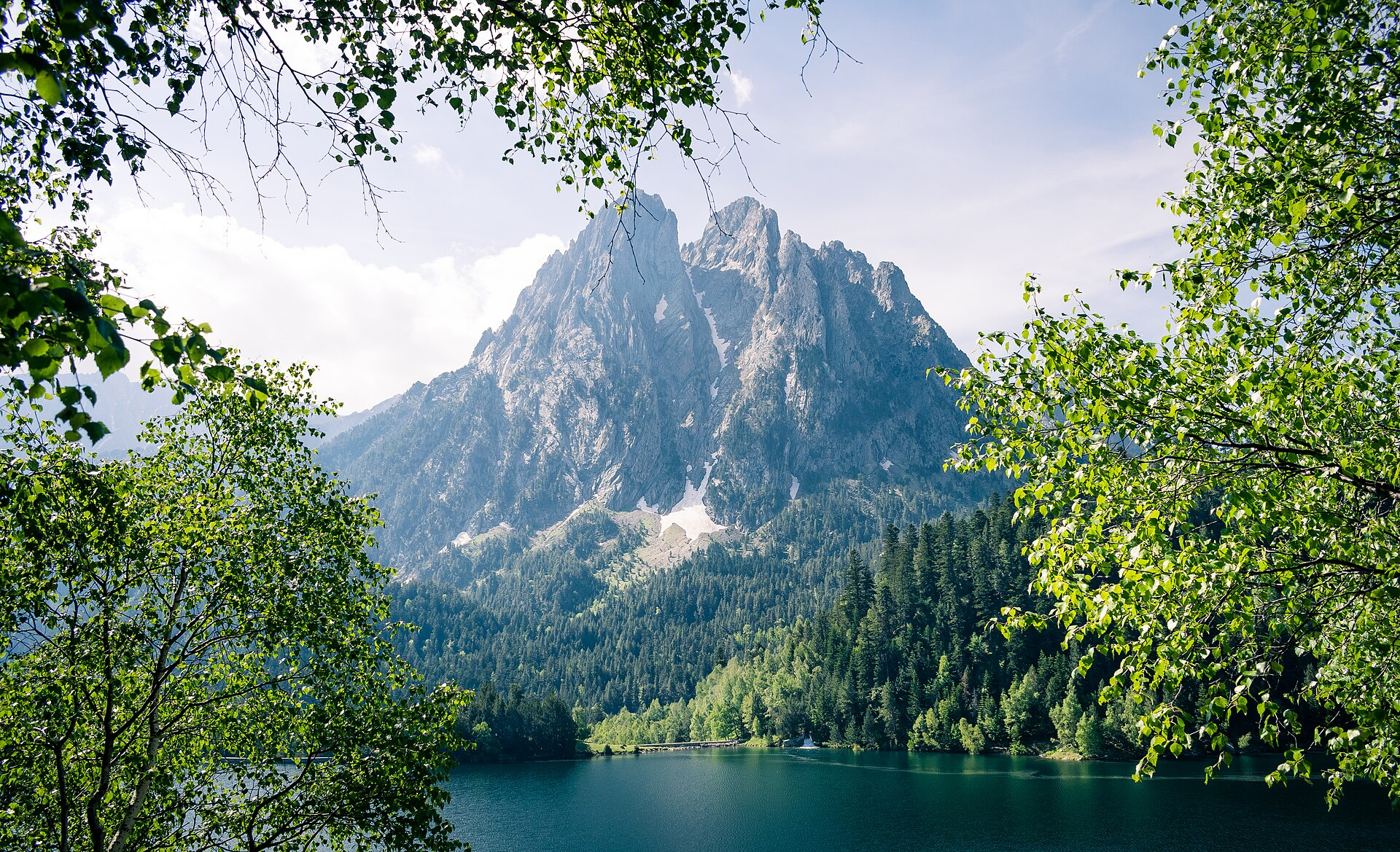 Aigüestortes i Estany de Sant Maurici
Four landscapes in one small region
Catalonia is roughly the size of the Netherlands, and it packs in the high Pyrenees, a volcanic plateau, a rocky Mediterranean cape and a river delta that feeds a quarter of Spain's rice. The distances are short. Fly into Barcelona or Girona, and a hire car reaches all four in a week; the buses and trains below are for those who would rather not drive.
Aigüestortes i Estany de Sant Maurici
This is Catalonia's only national park, high in the Pallars Sobirà and Val d'Aran. Two hundred glacial lakes, granite peaks over 2,900 m and, in July, meadows so full of flowers that you stop every hundred metres. Private cars are banned inside the park. From Espot on the east side, or Boí on the west, shared 4x4 taxis run you to the trailheads, and from there it is all on foot.
The classic day walk is from Estany de Sant Maurici up to the Amitges refuge, about three hours return, with the twin Encantats peaks over your shoulder the whole way. For a longer trip, the Carros de Foc route links nine mountain refuges in a loop that most people walk in five to seven days. We book the refuges months ahead; they fill in summer.
Getting there: there is no train. Take the ALSA bus from Barcelona or Lleida to Esterri d'Àneu (about 4h from Barcelona) and a taxi to Espot. On a longer Pyrenees itinerary we combine it with the Val d'Aran and Andorra.
La Garrotxa: walking on volcanoes
Between Girona and the Pyrenees, La Garrotxa has around forty dormant volcanic cones, none of which have erupted for more than 11,000 years. You can walk into the crater of Santa Margarida, where a Romanesque chapel sits in the grassy bowl, and climb the Croscat cone, sliced open by old quarrying so you can see the black and red layers inside.
Next door is the Fageda d'en Jordà, a beech forest growing on a flat lava flow at unusually low altitude. It is at its best in the last two weeks of October and the first week of November, when the leaves turn and the light comes in low. Go on a weekday. The base is Olot, a proper working town with a good market on Mondays, or the medieval village of Santa Pau.
Getting there: TEISA bus from Girona to Olot (1h15) or from Barcelona (2h). We usually pair Olot with two nights in Girona.
Cap de Creus
The easternmost point of mainland Spain is a natural park of wind-sculpted grey rock, low scrub and coves you reach on foot. Salvador Dalí lived at Portlligat on its southern edge and painted these rocks over and over. The tramuntana wind can blow for days here, which is why the trees lean and why the walking is best in spring and autumn. From Cadaqués the coastal path to the lighthouse at the cape takes about two hours each way.
Getting there: Rodalies or Regional train to Figueres, then the Sarfa bus to Cadaqués (1h15 on a spectacular mountain road).
The Ebro Delta
At the very south of Catalonia the Ebro spreads into a flat delta of rice paddies, lagoons and long empty beaches. It is the second-largest wetland in the western Mediterranean and a serious bird destination: flamingos year-round, and in spring and autumn huge numbers of migrating waders. Hire a bike in Deltebre or Sant Carles de la Ràpita and follow the dyke roads; there is almost no traffic and no hills at all. The rice is harvested in September and October, when the paddies turn gold and then are flooded again.
Getting there: Regional train from Barcelona or Tarragona to L'Aldea-Amposta (about 2h from Barcelona), then a local bus or a pre-booked taxi.
Closer to Barcelona
If you only have a day, Montserrat's serrated ridge is an hour from Plaça Espanya on the FGC R5 line plus the rack railway from Monistrol. Skip the monastery crowds by taking the Sant Joan funicular and walking the ridge paths above. Montseny, a biosphere reserve of beech and holm oak an hour north-east, is where Barcelona goes for autumn colour and chestnuts.
When to go
May, June, September and October are the sweet spot for everything except the high Pyrenees, where snow can block trails into June. July and August are for the mountains only. The delta is at its most alive during the spring and autumn migrations, and La Garrotxa in late October.
More from the journal
 Party scene
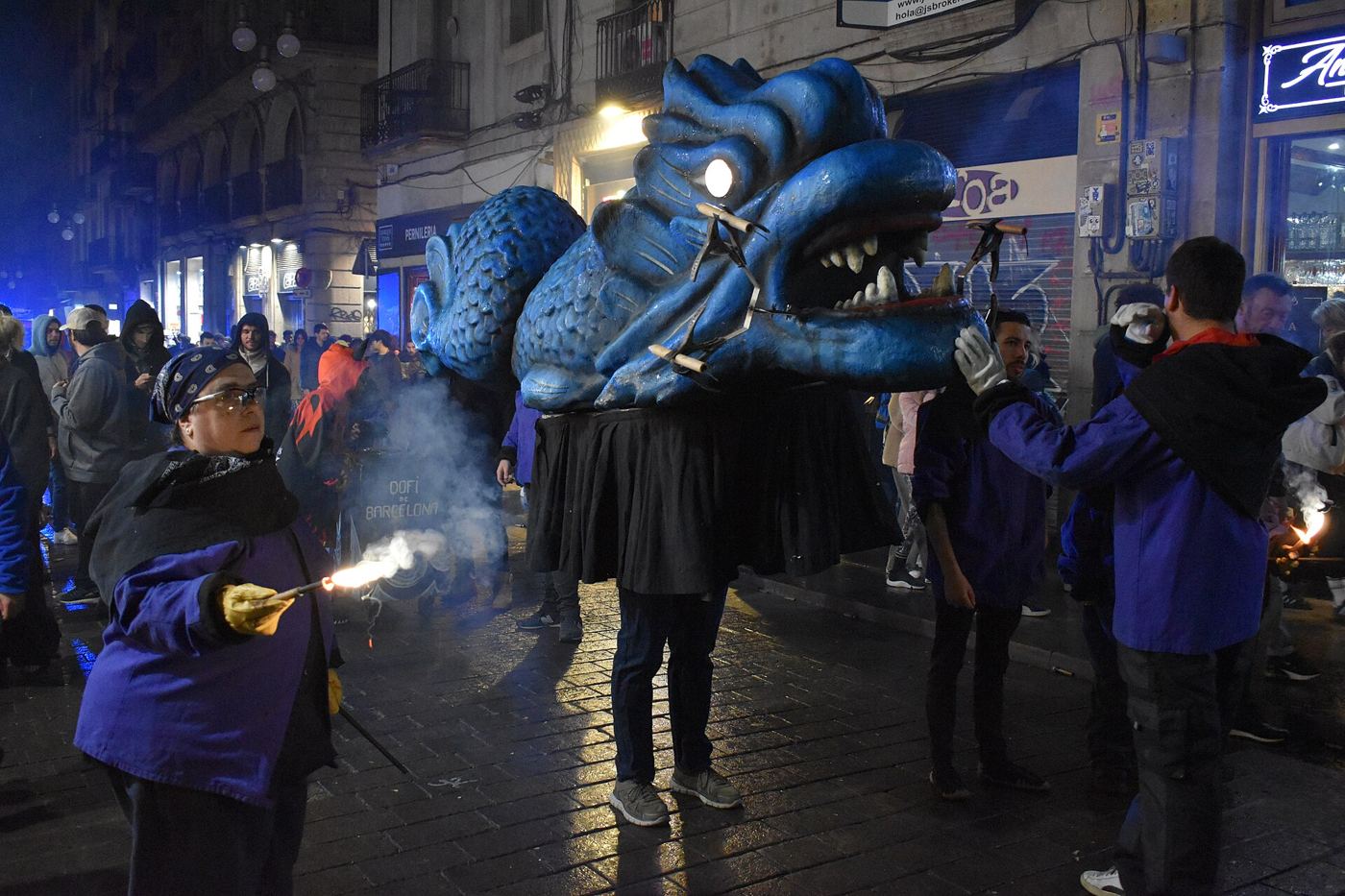
How Catalonia parties: from Sónar to the fire runs of La Mercè
Barcelona's club calendar, Sitges carnival, and the village festes majors that outlast any nightclub.
 Backpacking
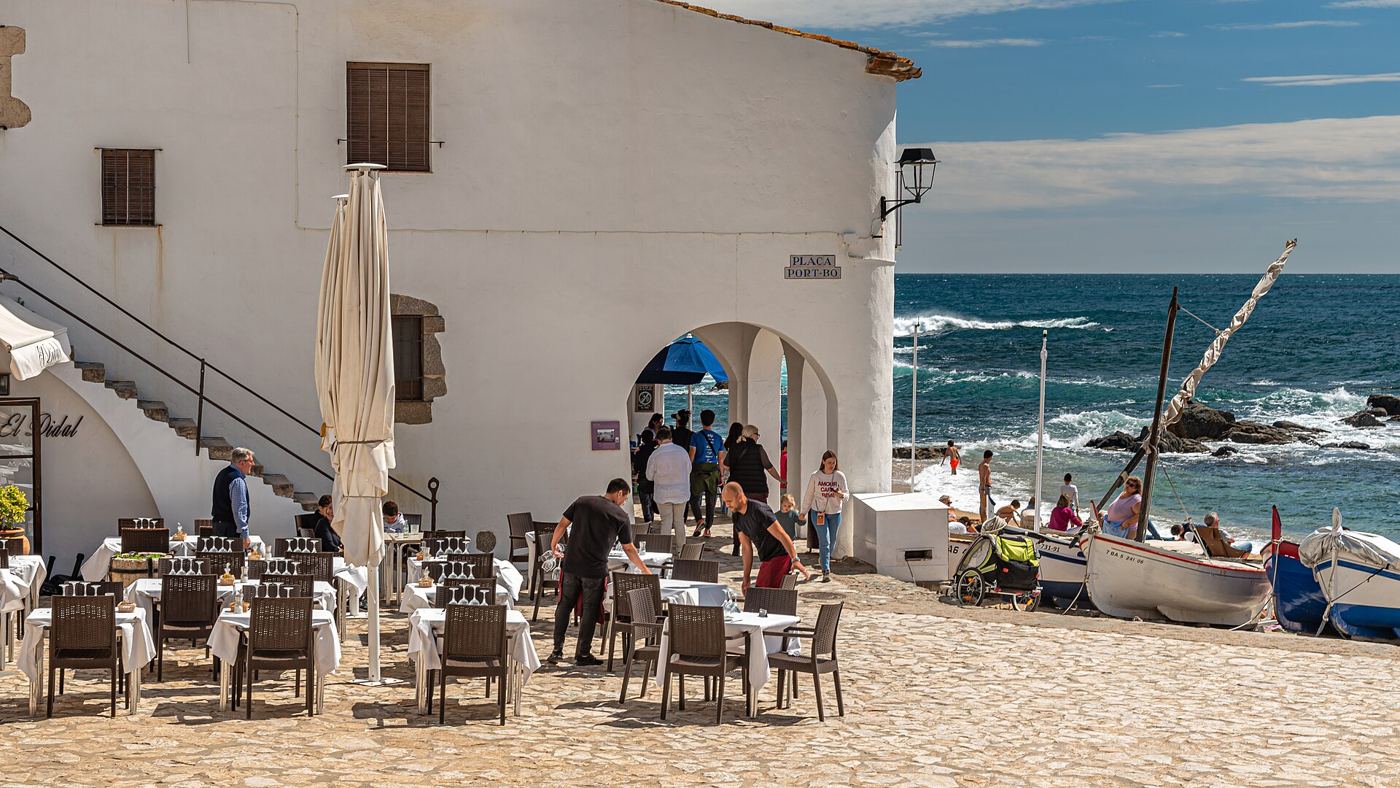
Catalonia on €55 a day: a backpacker's route from Girona to the Ebro
Regional trains, the Camí de Ronda, menú del dia lunches and the hostels worth the extra euro.
 Retirement
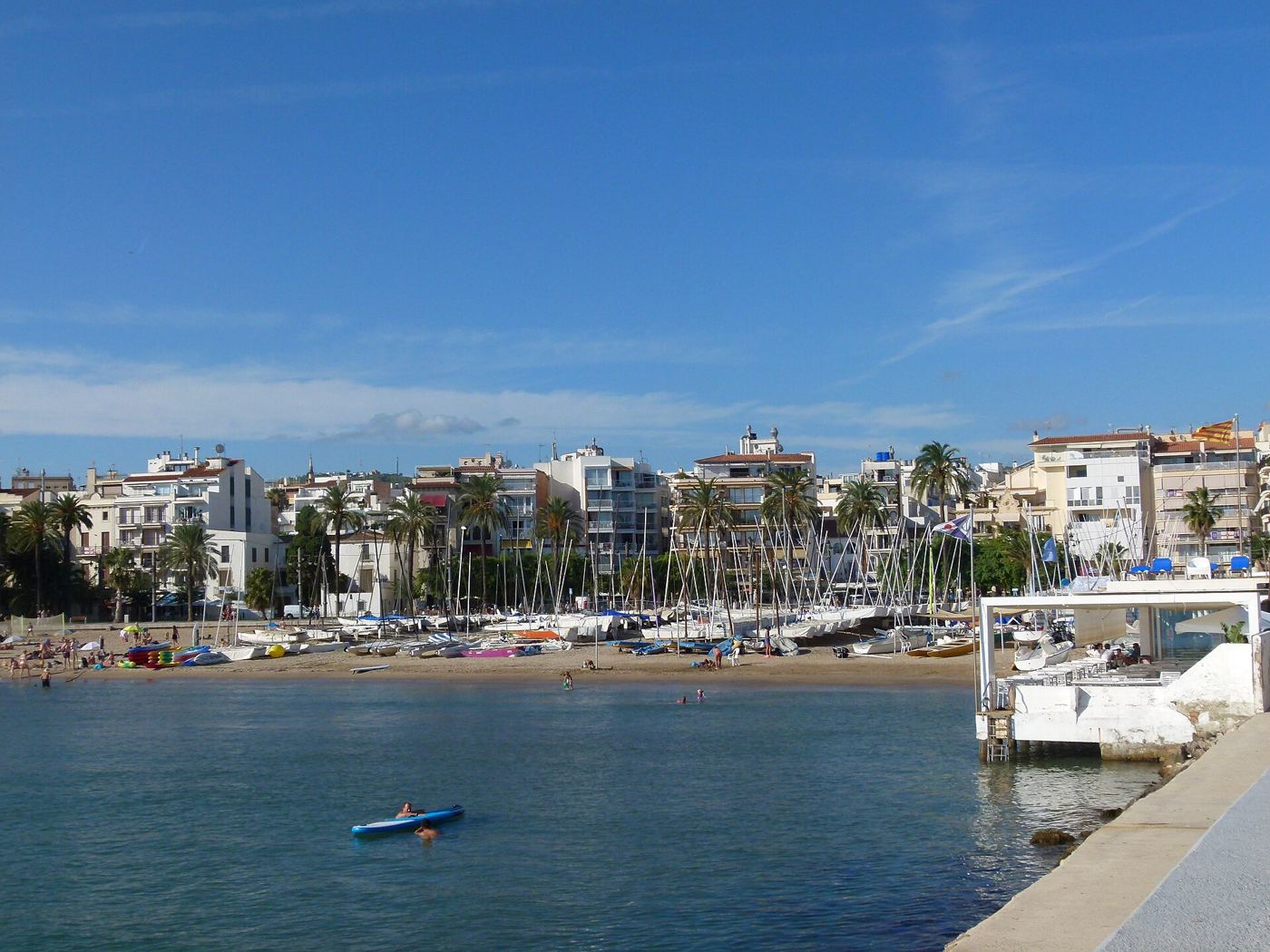
Retiring to Catalonia: where to live, what it costs, and the paperwork
Sitges, Girona or the Empordà? Healthcare, the non-lucrative visa, and the towns that stay open in winter.