Journal · Party scene · Catalonia
How Catalonia parties: from Sónar to the fire runs of La Mercè
Barcelona has some of Europe's best clubs, but the parties Catalans actually plan their year around happen in the street, with fireworks, brass bands and a lot of cava.
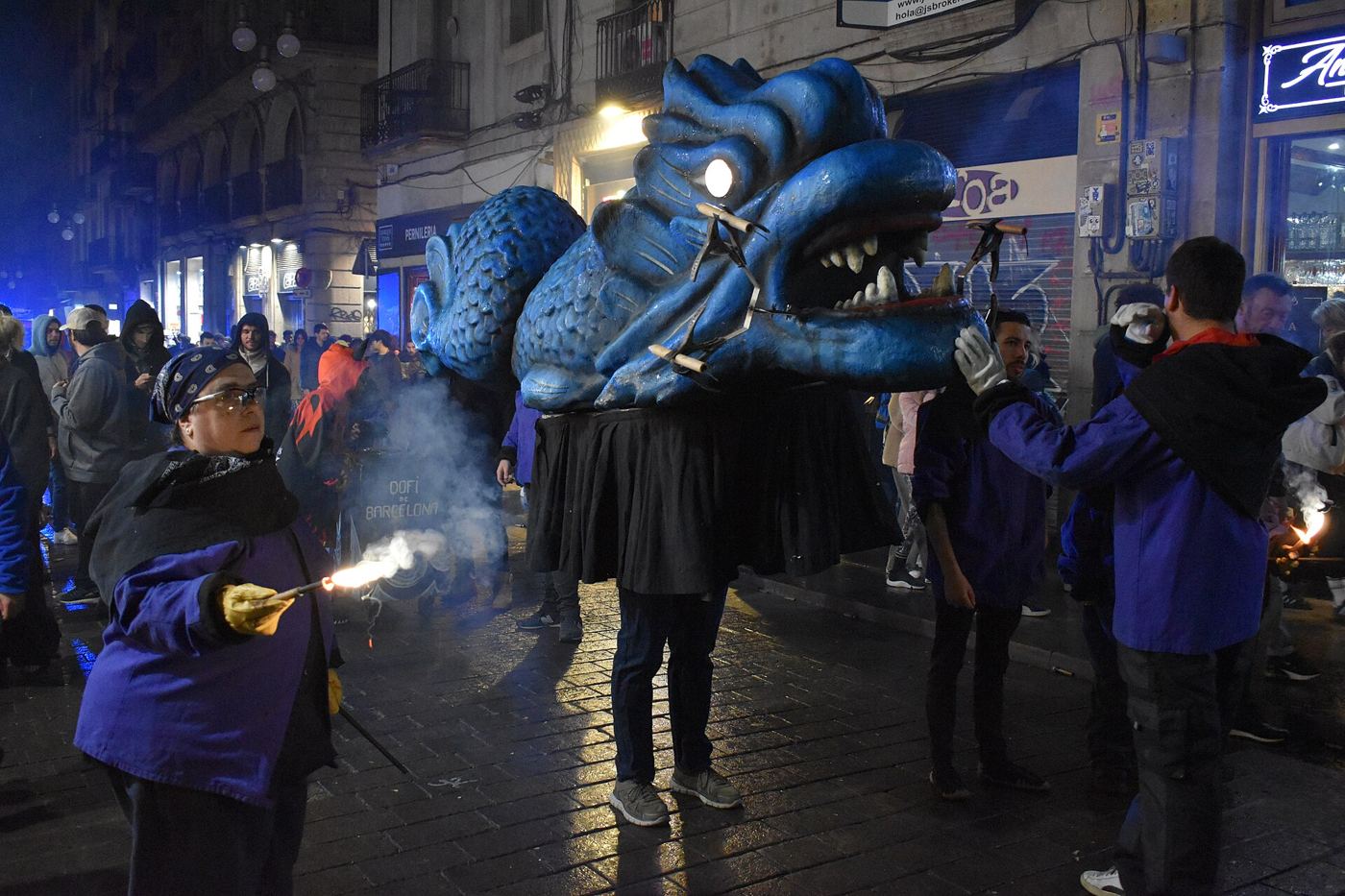 Correfoc, La Mercè, Barcelona
First, adjust your clock
Dinner starts at 21:30 at the earliest. Bars fill from midnight. Clubs are empty until 2:00 and close between 5:00 and 6:00. If you turn up at a club at 23:00 you will be alone with the sound engineer. Plan a long dinner, a bar in Gràcia or Sant Antoni, and only then decide whether to go on.
Barcelona's clubs
Two venues anchor the scene. Razzmatazz in Poblenou is five rooms in an old factory, running from indie to techno on the same night; the Friday and Saturday club nights are institutions. Sala Apolo in Poble-sec is a former dance hall with a Monday night, Nasty Mondays, that has run for two decades because half the city's hospitality workers have Tuesday off. For house and techno, the Poble Espanyol on Montjuïc hosts open-air events in summer, and the Marina and Port Olímpic clubs are for tourists and stag parties. We steer clients away from the beachfront strip unless that is the brief.
The festival calendar
- Primavera Sound, late May or early June, at the Parc del Fòrum. The strongest indie and electronic line-up in Europe, on the seafront, with the city as your after-party.
- Sónar, mid-June. Sónar by Day is at the Fira Montjuïc; Sónar by Night moves to the L'Hospitalet exhibition halls and runs until dawn. Book accommodation in Sants or Poble-sec for the shortest ride home.
- Cruïlla, early July, a friendlier, mixed-genre festival also at the Fòrum.
- Vida, early July, in the pine woods above Vilanova i la Geltrú, forty minutes by Rodalies. Smaller, and the one locals recommend.
Revetlla de Sant Joan, 23 June
The shortest night of the year is Catalonia's loudest. Every neighbourhood and every beach lights bonfires, everyone eats coca de Sant Joan (a flat sweet bread with candied fruit and pine nuts) and drinks cava, and fireworks go off in the streets until well after dawn. Barcelona's beaches are packed; the small-town celebrations along the Maresme coast or in Girona are more fun and less chaotic. Do not book an early train on the 24th.
Festes majors: the real party
Every town and every Barcelona neighbourhood has a festa major, its annual patron-saint festival, and this is where Catalans celebrate hardest. The formula is consistent: giant papier-mâché figures (gegants) parade, human towers are built in the square, brass bands play, there is a late-night concert and a correfoc.
A correfoc is a fire run. Groups dressed as devils run through the streets with fireworks spinning on pitchforks while drummers keep a hypnotic beat and the crowd runs under the sparks. Wear cotton, a hat and long sleeves, and leave the good trainers at home. It is one of the most exhilarating things you can do in Europe, and it is completely free.
- Festa Major de Gràcia, around 15 August. The neighbourhood's streets compete to build the best decorations from recycled material, and every one hosts its own concerts and dinners for a week.
- Festa Major de Sants, the following week, a little less crowded.
- La Mercè, around 24 September, Barcelona's own festa major. Free concerts across the city, the biggest correfoc of the year on Via Laietana, castells in Plaça Sant Jaume, and a closing pyromusical on Montjuïc.
- Santa Tecla in Tarragona, around 23 September, arguably the most traditional of them all.
Sitges
Half an hour south of Barcelona by train, Sitges is a beach town with a nightlife far bigger than its size, and one of Europe's leading LGBTQ+ destinations. Carnival in February or March is the highlight: a week of parades, with the Sunday Rua de la Disbauxa and Tuesday Rua de l'Extermini drawing hundreds of thousands. Summer weekends are lively; the bars on Carrer del Pecat (Sin Street) are the centre of it.
The coast
Lloret de Mar and Salou are the package-holiday party towns, with big clubs and very young crowds. They are cheap, they are loud, and they are not what most of our clients are after. If you want beach nightlife with more charm, look at Sitges, or Cadaqués in August when the whole town seems to move to the seafront terraces.
Sunday morning: the vermut
Catalonia's gentlest party is the Sunday vermut: a glass of local vermouth with an olive, a slice of orange and a plate of anchovies or crisps, around noon, before the family lunch. Bodega-style bars in Gràcia and Poble-sec do it best. It is the one part of the party scene we suggest to every client.
More from the journal
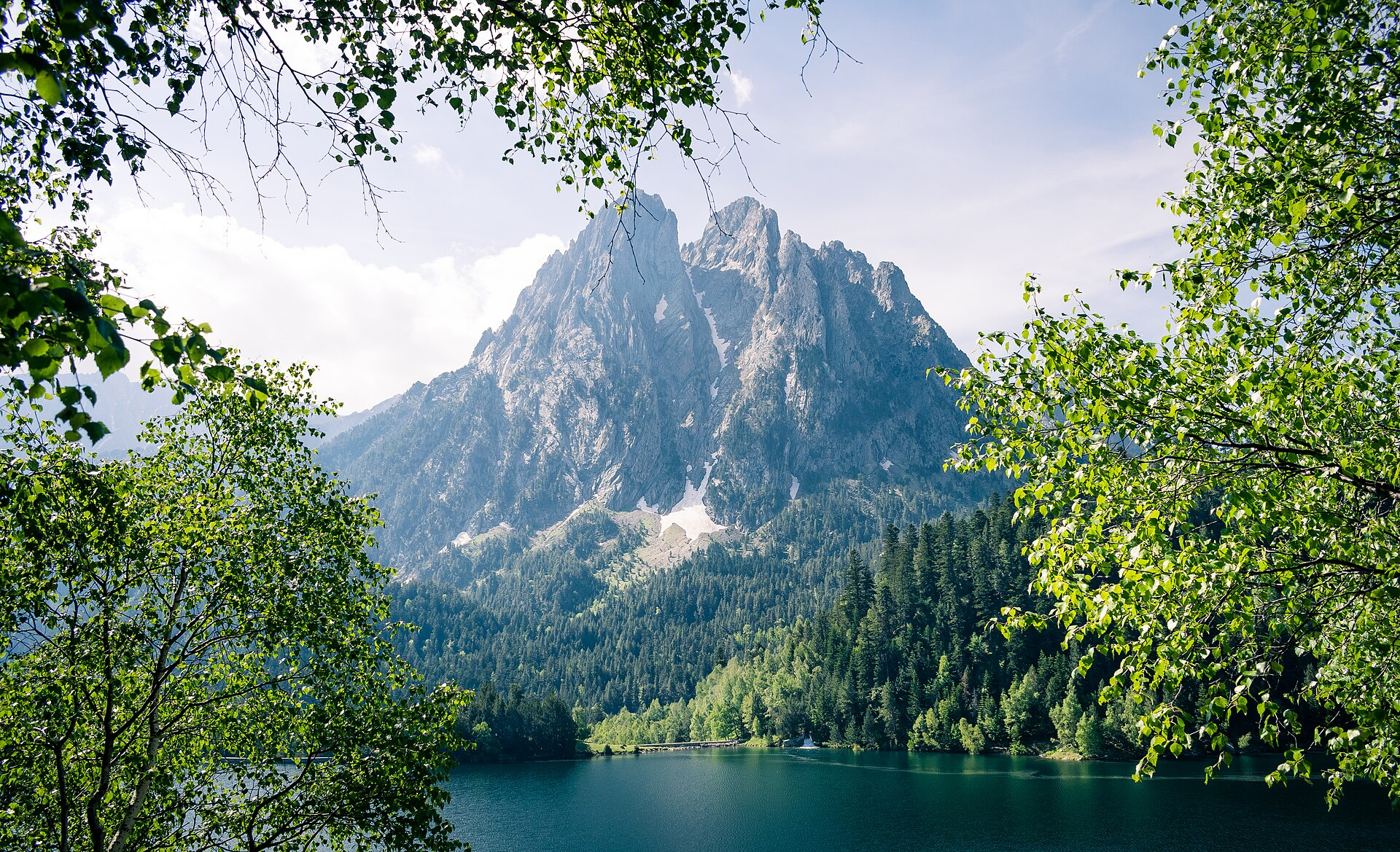 Nature
Catalonia beyond the beach: volcanoes, wetlands and one national park
From the beech forest of La Garrotxa to the lakes of Aigüestortes, an hour or two inland from Girona or Barcelona.
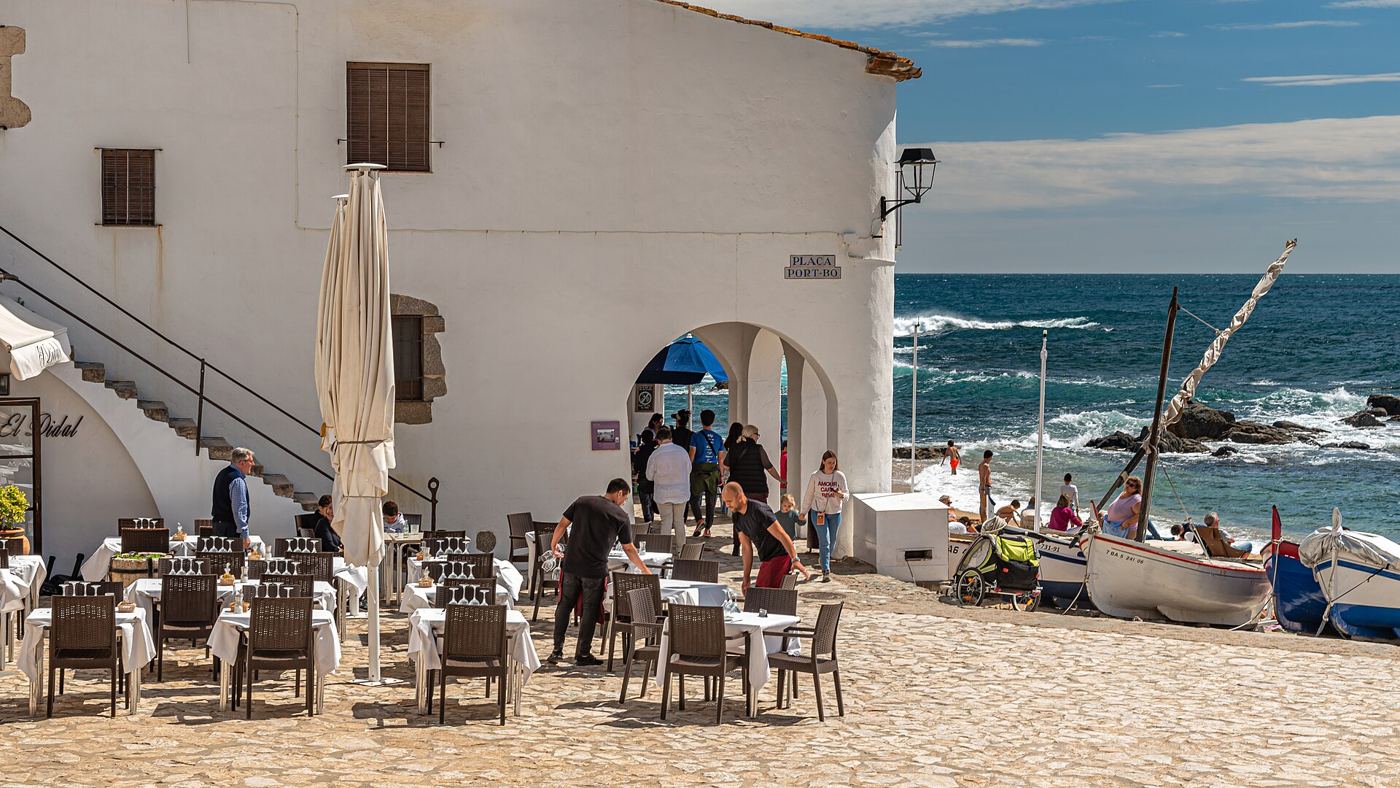 Backpacking
Catalonia on €55 a day: a backpacker's route from Girona to the Ebro
Regional trains, the Camí de Ronda, menú del dia lunches and the hostels worth the extra euro.
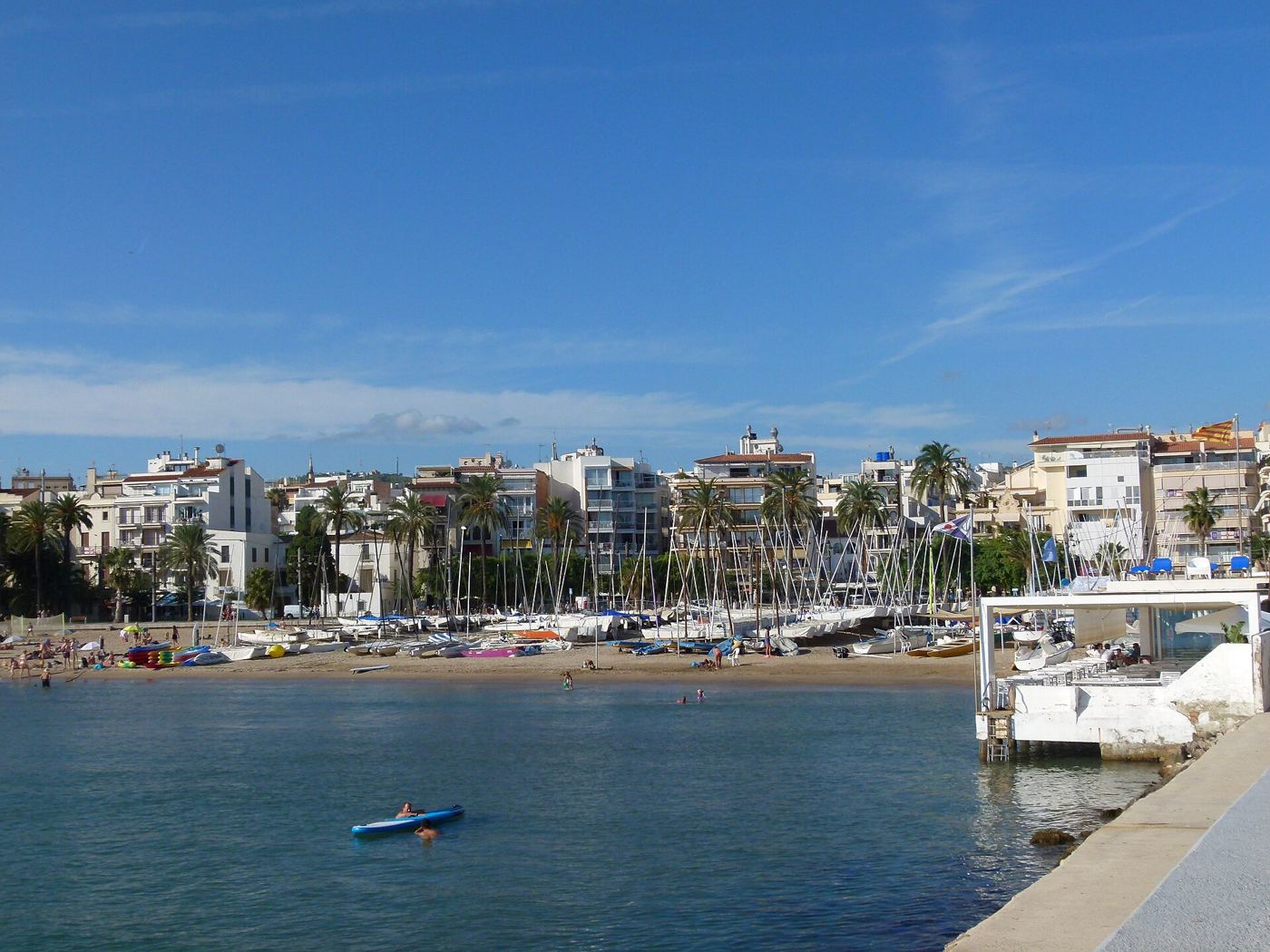 Retirement
Retiring to Catalonia: where to live, what it costs, and the paperwork
Sitges, Girona or the Empordà? Healthcare, the non-lucrative visa, and the towns that stay open in winter.