Journal · Backpacking · Catalonia
Catalonia on €55 a day: a backpacker's route from Girona to the Ebro
Barcelona is expensive. The rest of Catalonia isn't. Fly in, skip the hire car, and do a two-week loop on regional trains, coastal footpaths and set-menu lunches, with real prices from our last trip.
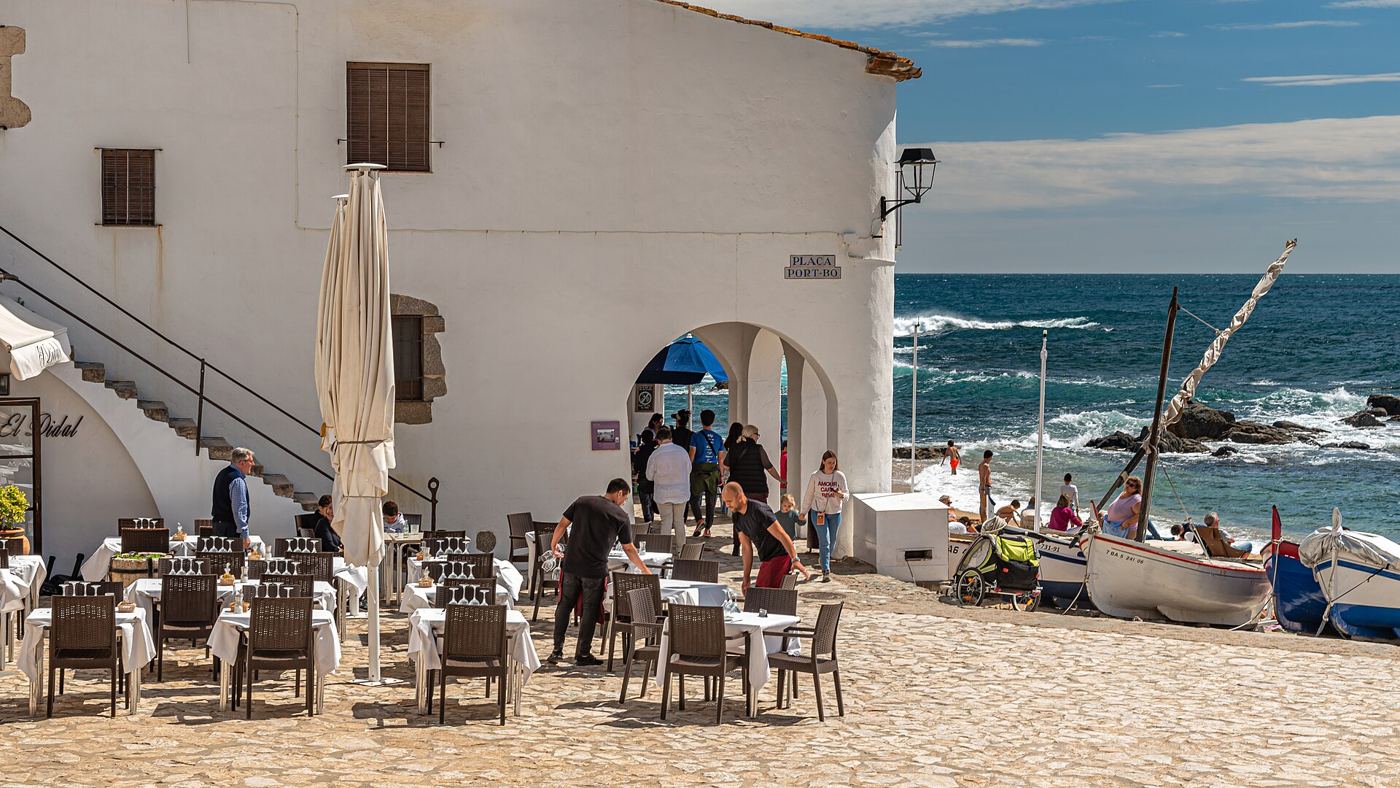 Camí de Ronda, Costa Brava
The budget, honestly
Our €55 a day assumes a hostel dorm at €25 to €35 outside Barcelona, a menú del dia lunch at €14 to €17, a supermarket dinner, one regional train ride and no paid attractions. In Barcelona itself, double the bed price and cut the rest. Over two weeks, spending four nights in Barcelona and ten elsewhere, the average lands close to €55 to €65 without trying very hard.
Trains: the one thing to understand
Catalonia's Rodalies and Regional trains are cheap, frequent and rarely need booking. Barcelona to Girona on the Regional (R11) is about €8 and 1h20, against €20 to €40 on the high-speed AVE that saves you forty minutes. Barcelona to Tarragona on the R16 is under €10. For anywhere along the coast north of Barcelona, the R1 runs along the water for an hour with the sea out of the left-hand window.
In Barcelona, buy a T-casual (10 rides, about €12.15) rather than single tickets, and remember it also covers the Rodalies within zone 1, including the airport train. Buses reach what trains don't: Sarfa and TEISA to the Costa Brava villages, ALSA into the Pyrenees.
The route
Days 1–3: Barcelona. Stay in Gràcia or Sant Antoni, not the Gothic Quarter, which is loud and overpriced. Municipal museums, including MUHBA and the Museu Picasso, are free on the first Sunday of the month and often on Sunday afternoons. Walk up to the Bunkers del Carmel for the view instead of paying for a rooftop. The Sagrada Família is worth its ticket; Park Güell's paid zone is not.
Days 4–6: Girona and the Costa Brava. Girona is the best base in Catalonia: a compact old city, a good hostel scene, and buses to the coast. Do the Camí de Ronda, the old coast-guard path, from Sant Feliu de Guíxols to Platja d'Aro (2h) or the harder stretch from Palamós through Calella de Palafrugell to Llafranc and Tamariu. Swim in the coves as you go. Buses are €3 to €7 each way.
Days 7–8: Figueres and Cadaqués. The Dalí Theatre-Museum in Figueres is the one big ticket worth paying for on this route. Cadaqués has a small hostel and a campsite; the walk to Cap de Creus is free and extraordinary.
Days 9–11: the Pyrenees. Rodalies R3 from Barcelona or Regional from Girona via Ripoll to Ribes de Freser, then the rack railway up to the Vall de Núria (the only way in besides walking). Stay at the Núria refuge, hike the surrounding 2,800 m peaks, and walk back down the valley to Queralbs the next day, which saves the return fare. If you have the legs, a section of the GR 11 long-distance path from here towards Puigcerdà is two days of high-mountain walking with a refuge in between.
Days 12–14: Tarragona and the Ebro Delta. Tarragona has a Roman amphitheatre on the beach, a hostel with a rooftop, and a set-menu lunch culture that beats Barcelona's on price. From here the Regional train reaches L'Aldea-Amposta for the Ebro Delta, where a hired bike (€10 to €15 a day) covers the flat dyke roads between lagoons and rice paddies. End in Tortosa, a handsome river town almost no one visits.
Eating well cheaply
- The menú del dia is the whole game: three courses, bread, and a drink, weekdays at lunch, €13 to €17 in towns and €16 to €22 in Barcelona. Eat your big meal at 14:00.
- Market bars: La Boqueria is a tourist trap, but Mercat de Sant Antoni, Mercat de la Llibertat in Gràcia and Girona's Mercat del Lleó are not.
- Supermarkets: Bonpreu and Mercadona for picnic supplies. Pa amb tomàquet (bread, tomato, oil, salt) costs almost nothing and is a meal.
- Tap water is safe everywhere, though it tastes better outside Barcelona.
Sleeping
Hostels in Girona, Tarragona and Figueres run €22 to €35. In the Pyrenees, staffed mountain refuges cost around €20 to €25 for a bunk and €50 to €60 with dinner and breakfast, which is the best value in Catalonia. Wild camping is not permitted in the national park or most natural parks; campsites are plentiful and cheap on the coast, from €10 to €15 per person with a tent.
Two warnings
Pickpocketing in Barcelona is professional and constant, especially on the metro and La Rambla. Keep nothing in a back pocket, ever. And August is the wrong month: hostels double their prices, the coast is full and the Pyrenees storms arrive every afternoon. Go in May, June, September or early October.
More from the journal
 Nature
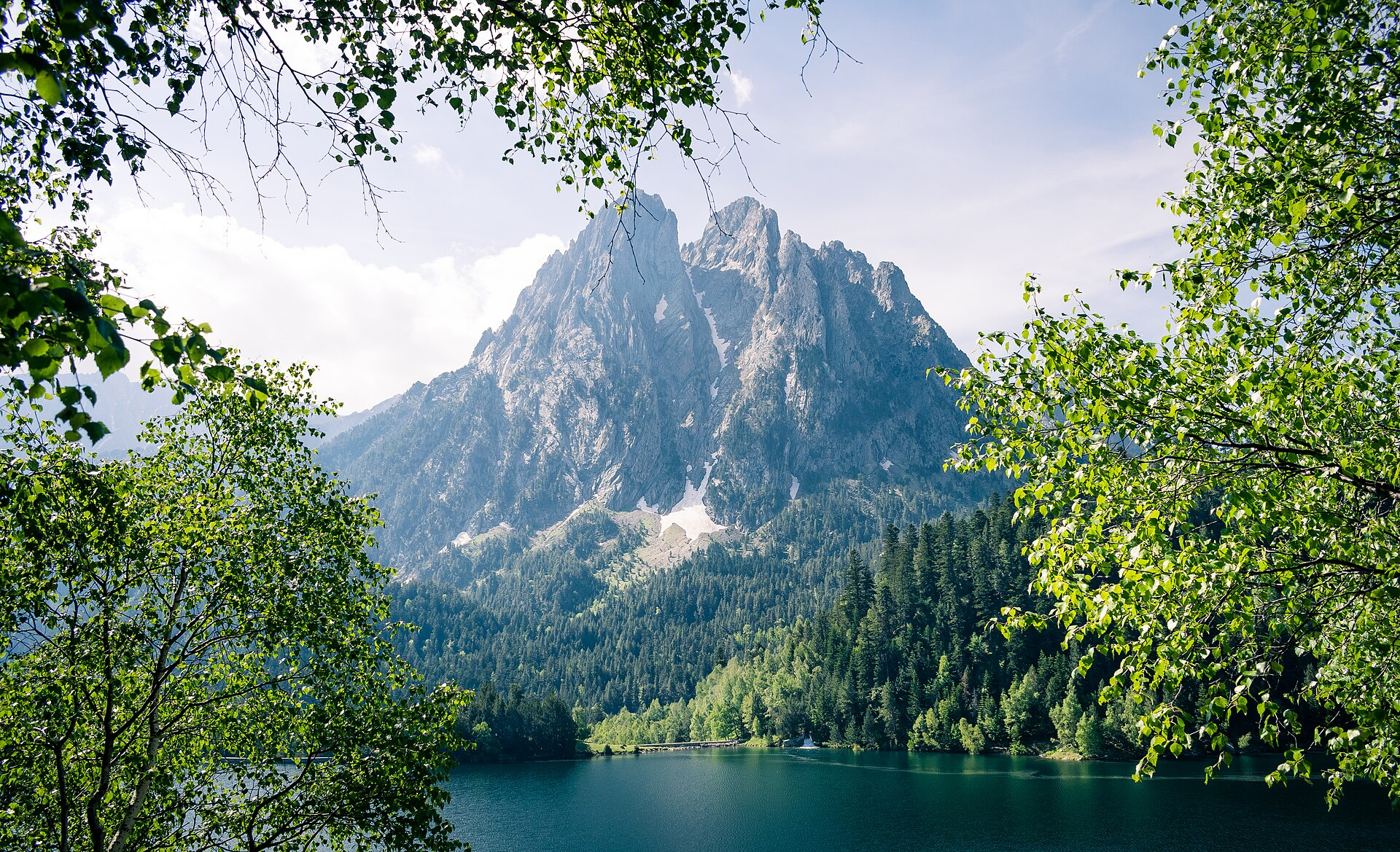
Catalonia beyond the beach: volcanoes, wetlands and one national park
From the beech forest of La Garrotxa to the lakes of Aigüestortes, an hour or two inland from Girona or Barcelona.
 Party scene
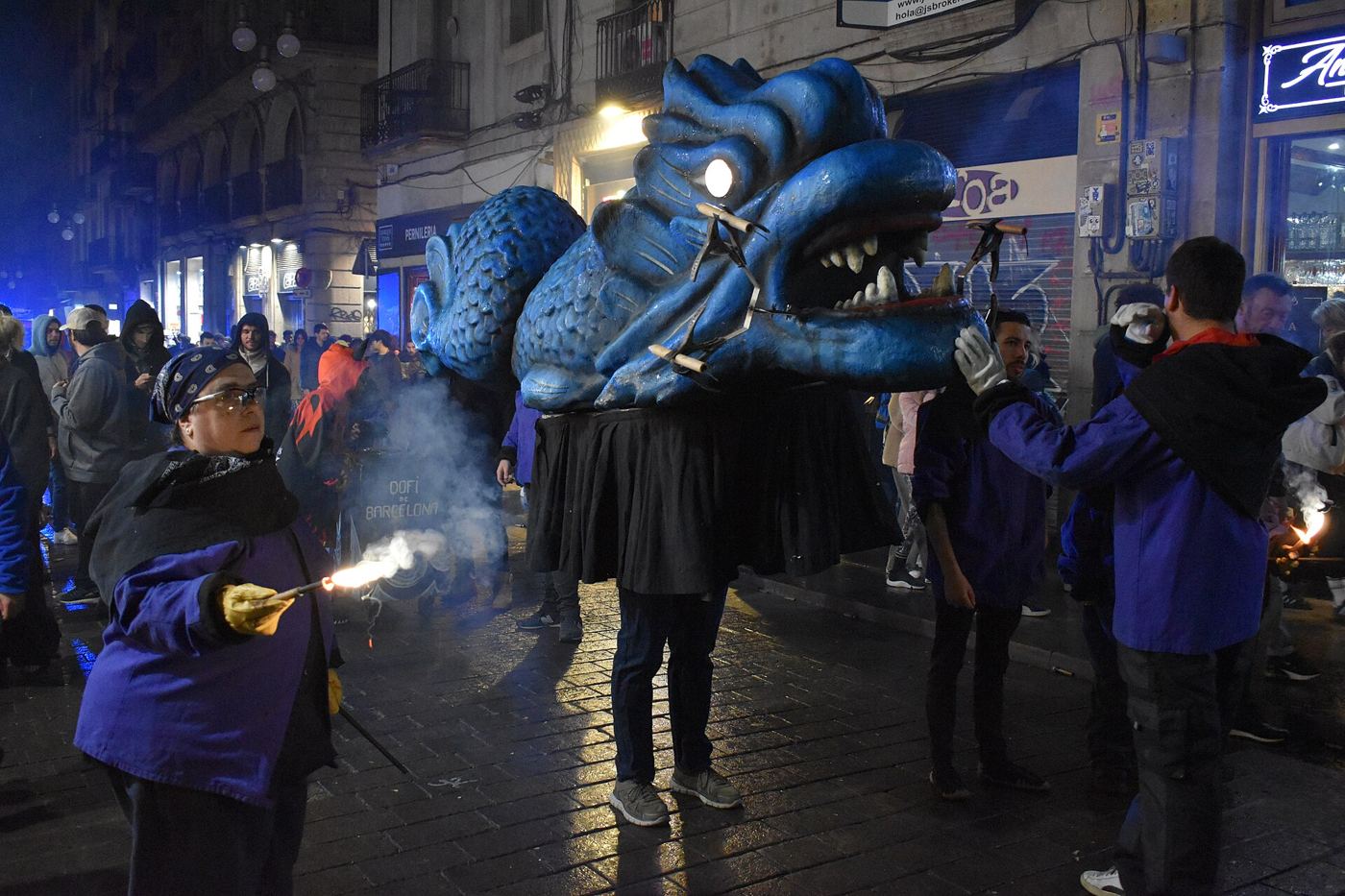
How Catalonia parties: from Sónar to the fire runs of La Mercè
Barcelona's club calendar, Sitges carnival, and the village festes majors that outlast any nightclub.
 Retirement
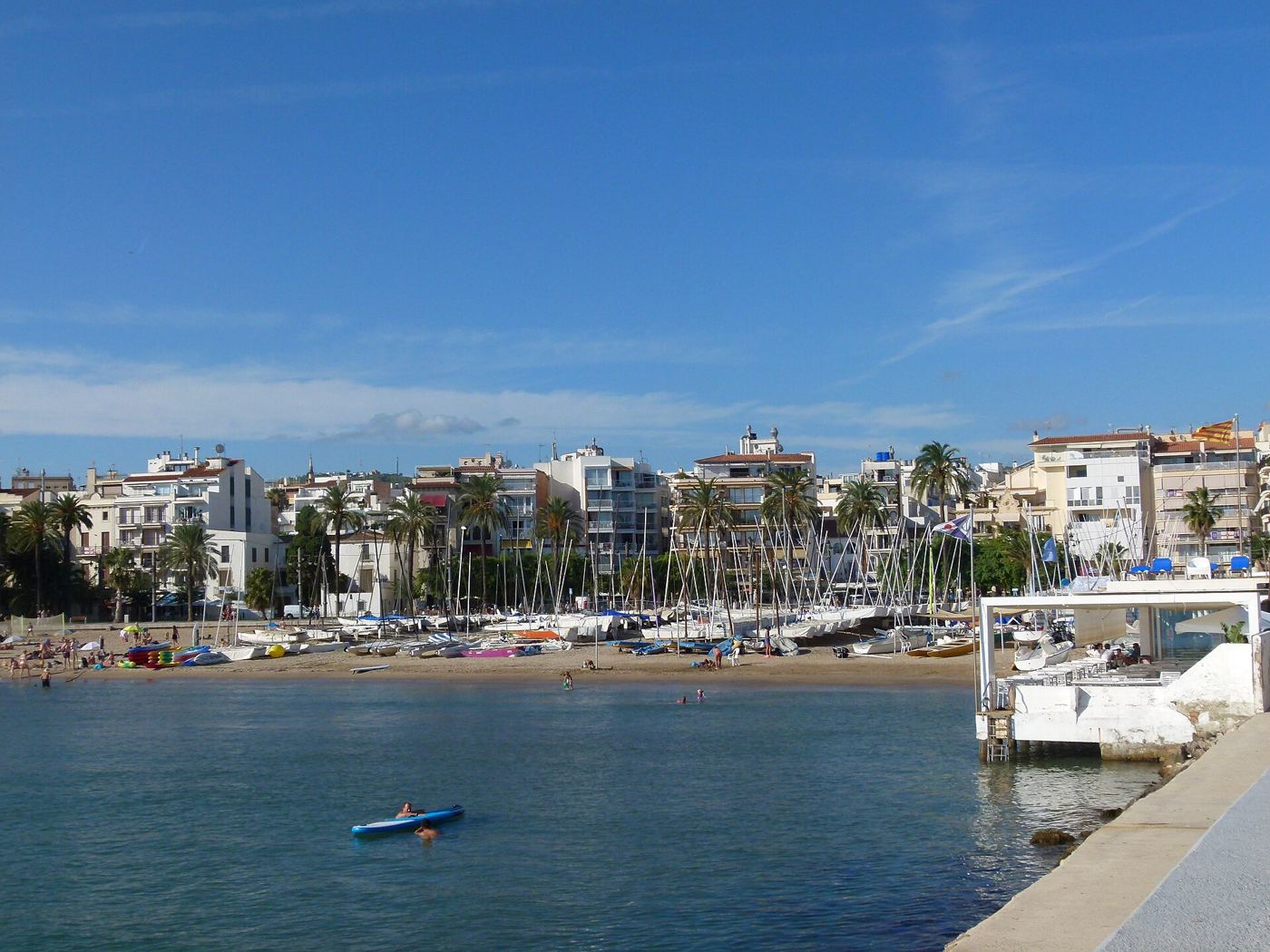
Retiring to Catalonia: where to live, what it costs, and the paperwork
Sitges, Girona or the Empordà? Healthcare, the non-lucrative visa, and the towns that stay open in winter.