Journal · Retirement · Catalonia
Retiring to Catalonia: where to live, what it costs, and the paperwork
Three hundred days of sun, a public health system that works, and Barcelona airport within two hours of almost anywhere. Here is what we have learned from clients who went on to stay, and where to check the details yourself.
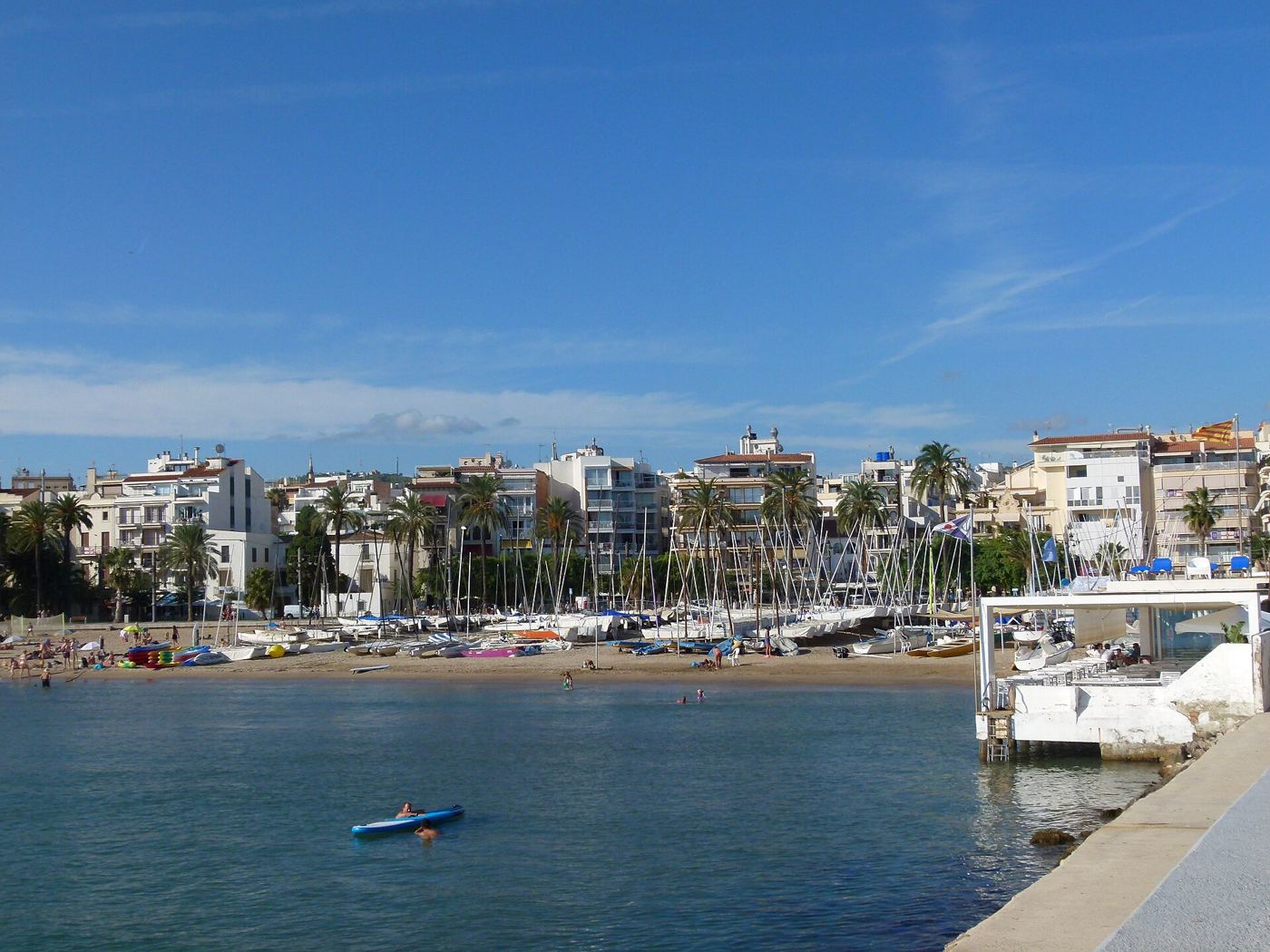 Sitges seafront, winter
Why Catalonia, and why not Barcelona
Catalonia has a mild Mediterranean climate, excellent healthcare, two international airports and a food culture built around markets and long lunches. What it also has, in Barcelona, is one of the tightest housing markets in Europe and a city council actively trying to reduce tourist and short-term rentals. Most retirees we know who are happy here live within an hour of Barcelona but not in it.
Five places that work
Sitges. Thirty-five minutes by train from Barcelona Sants, seventeen beaches, and a large, long-established international and LGBTQ+ community. It stays open all winter, unlike most coastal towns. The downside is price: apartments here cost close to Barcelona levels.
Girona. A university city of 100,000 with a medieval core, a fast train to Barcelona (38 minutes on the AVE) and to Paris, an airport with cheap European flights, and a serious food scene. Cool, dry winters. Popular with cyclists and with people who want a city that is not a resort.
The Baix Empordà. The stone villages inland from the Costa Brava, including Pals, Peratallada, Monells and Begur on the coast, are where wealthy Barcelona families have second homes. Beautiful, quiet in winter, and car-dependent. Good if you want land and a garden.
Tarragona. A Roman city on the sea an hour south of Barcelona, with a much lower cost of living than the northern coast, a large hospital, and a lived-in old town. The Costa Daurada beaches nearby are long and sandy rather than rocky.
Vic or Olot. Inland market towns for people who want Catalan life rather than an expat bubble. Cheaper again, cooler in summer, and a train or bus to Barcelona in around ninety minutes. You will need some Catalan.
What it costs
Outside Barcelona and Sitges, a comfortable two-bedroom apartment rents for €900 to €1,400 a month in Girona or Tarragona, and less inland. Buying, expect €2,500 to €4,000 per square metre in Girona and the coastal towns, €1,500 to €2,500 in Tarragona and inland. Add around 10% transfer tax on a resale property in Catalonia, plus notary and registry fees. A couple living well, eating out a few times a week, spends around €2,500 to €3,200 a month excluding rent.
The residence paperwork
EU citizens can move freely. Within three months you register with the local police for a residence certificate (certificado de registro), which requires proof of income or pension and health cover. You also register at the town hall (empadronamiento), which unlocks local services and the public health card.
Non-EU citizens, including British, American, Canadian and Australian retirees, usually apply for the non-lucrative visa from the Spanish consulate in their home country. You must show passive income or savings of at least 400% of the IPREM index, which for 2025 meant roughly €2,400 a month or €28,800 a year for the main applicant, plus 100% of IPREM (about €600 a month) for each dependant. You need private health insurance with no co-payments, a clean criminal record and a medical certificate. The visa is issued for one year and renewed for two-year periods; after five years you can apply for long-term residence. Spain closed its property-based golden visa in April 2025, so buying a home no longer grants residence.
Figures change annually and consulates apply the rules differently. We are travel planners, not immigration advisers: confirm the current requirements with the Spanish consulate in your country or a gestor before you plan around them.
Healthcare
Catalonia's public system, CatSalut, is highly regarded, with major hospitals in Barcelona, Girona, Tarragona and Lleida. EU pensioners register their S1 form and receive the same access as locals. Non-EU residents on a non-lucrative visa rely on private insurance for the first years; comprehensive policies for someone in their sixties run €100 to €200 a month, and providers such as Sanitas, Adeslas and DKV have English-speaking networks. After a year of legal residence you can pay into the public system through the convenio especial, a monthly fee of around €60 to €160 depending on age.
Tax, briefly
Spend more than 183 days a year in Spain and you are tax resident, taxed on worldwide income. Most countries have a double-taxation treaty with Spain, so pensions are not taxed twice, but the rules on which country taxes which pension are specific. Catalonia also has a wealth tax with a €500,000 threshold per person. Get advice from a gestor or tax adviser in Spain before you move, not after.
Language and daily life
Catalan and Spanish are both official, and both are everywhere. In Barcelona and the coast you can manage in Spanish or English. In Vic, Olot or the Empordà villages, Catalan is the language of daily life, and making an effort with it transforms how you are received. Town halls run free Catalan courses for new residents through the Consorci per a la Normalització Lingüística.
Lunch is at 14:00, dinner at 21:00, shops close from 14:00 to 17:00 in smaller towns, and August is when everything stops. Learning to live at that rhythm is most of the pleasure.
More from the journal
 Nature
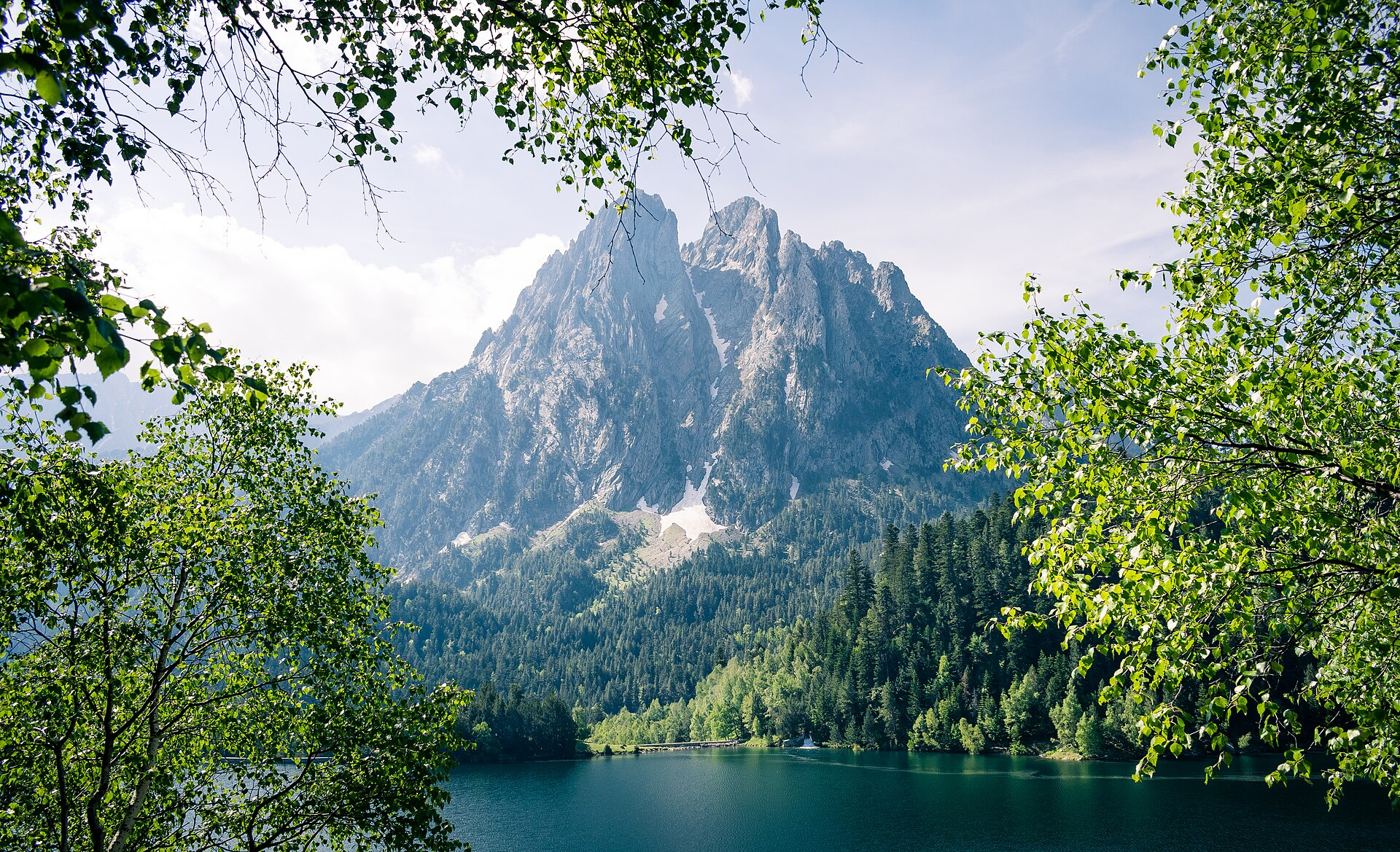
Catalonia beyond the beach: volcanoes, wetlands and one national park
From the beech forest of La Garrotxa to the lakes of Aigüestortes, an hour or two inland from Girona or Barcelona.
 Party scene
How Catalonia parties: from Sónar to the fire runs of La Mercè
Barcelona's club calendar, Sitges carnival, and the village festes majors that outlast any nightclub.
 Backpacking
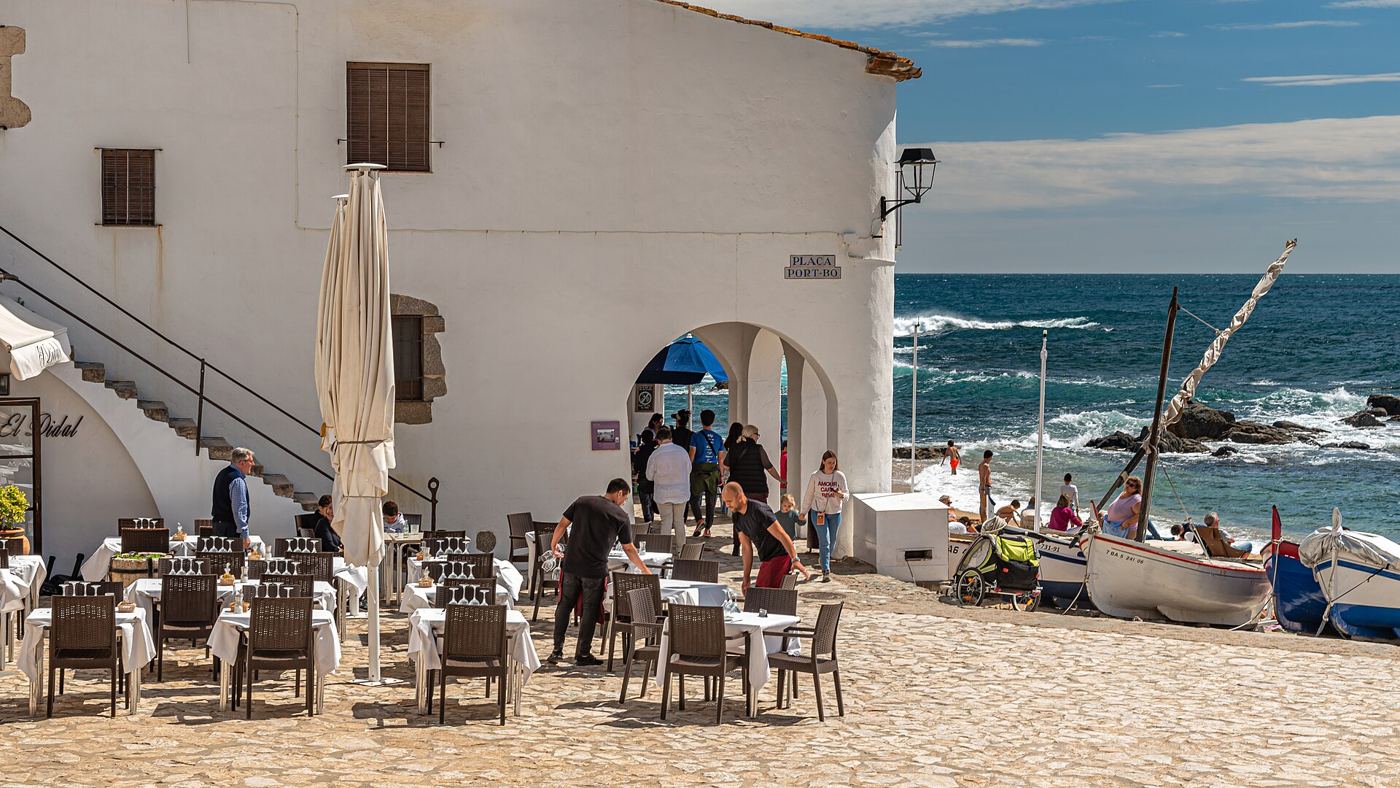
Catalonia on €55 a day: a backpacker's route from Girona to the Ebro
Regional trains, the Camí de Ronda, menú del dia lunches and the hostels worth the extra euro.