Journal · Local customs · Catalonia
Human towers, a log that poops presents, and other Catalan customs to know
Catalonia is not Spain with a different accent. It has its own language, its own calendar and a set of traditions that make more sense once someone explains them.
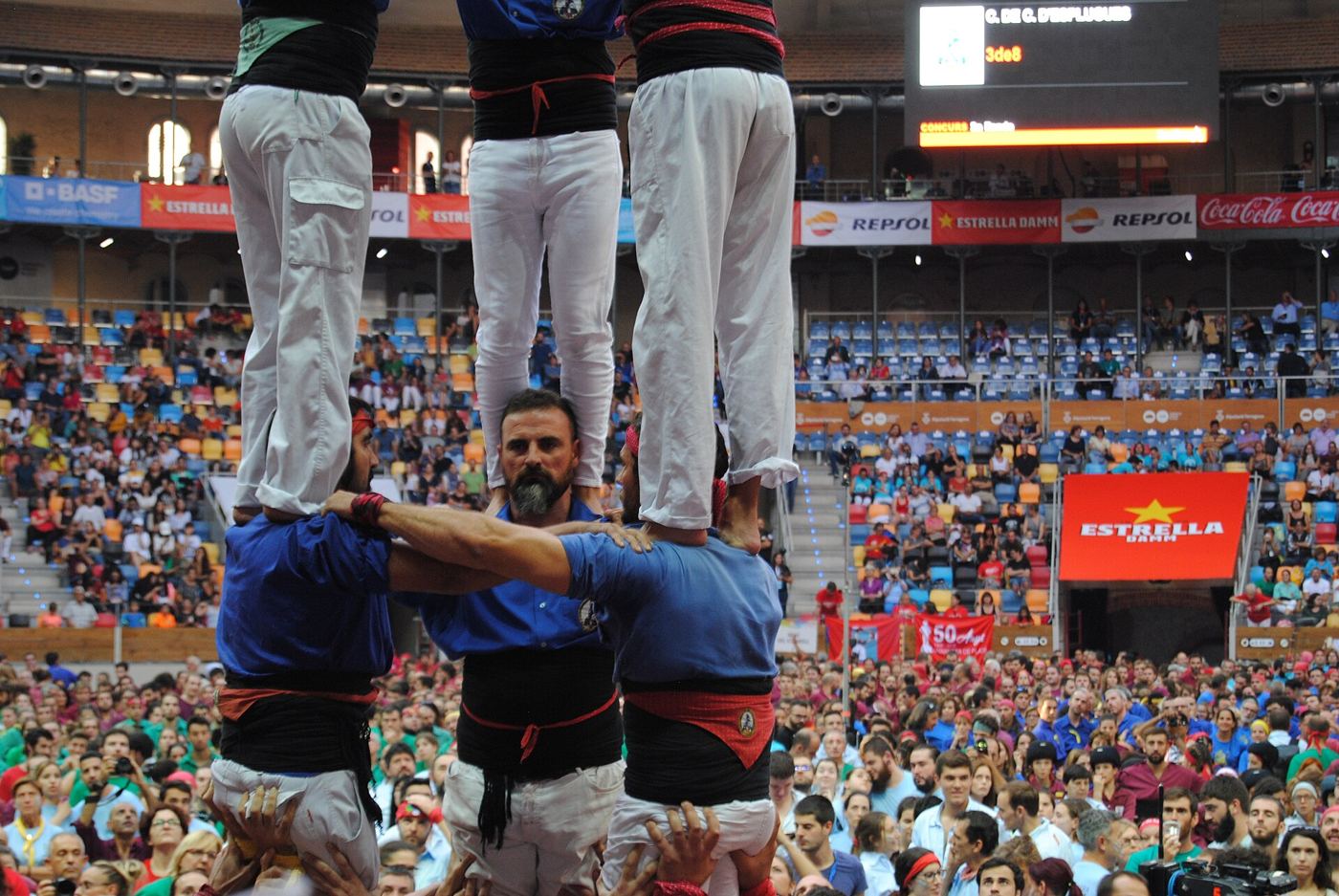 Castellers, Plaça Sant Jaume
Start with the language
Catalan is a language, not a dialect, spoken by around ten million people across Catalonia, Valencia, the Balearics, Andorra and parts of France. It is closer to Occitan and Italian than to Spanish in some ways, and Catalans are quietly pleased when a visitor tries it. Everyone also speaks Spanish, and you will not offend anyone by using it, but bon dia (good morning), bona tarda (good afternoon), si us plau (please), gràcies and adéu go a long way. Signs, menus and announcements are in Catalan first.
Castells: the human towers
Teams called colles build towers of people up to ten levels high, with children in helmets climbing to the top and raising a hand to signal completion. UNESCO listed castells as intangible heritage in 2010. They are built at every festa major, in front of the town hall, to the sound of the gralla, a piercing double-reed pipe. The best way to understand the sport is to stand in the pinya, the base crowd of hundreds that supports the tower; spectators are welcome to join it. The great rivals are the colles of Valls, Vilafranca del Penedès and Terrassa, and the biennial Concurs de Castells in Tarragona is the championship.
Sant Jordi, 23 April
Catalonia's Valentine's Day is also its book day. Traditionally men give women a rose and women give men a book; today everyone gives everyone both. Barcelona's Rambla and Passeig de Gràcia become one long bookstall, with authors signing and half the city out on the streets. It is a working day, and one of the loveliest in the year to be here.
Christmas: the Tió and the Caganer
Two Catalan Christmas figures baffle visitors. The Tió de Nadal is a log with a painted face and a red hat. Children feed it every night from 8 December, and on Christmas Eve they beat it with sticks while singing a song asking it to defecate presents, which it obligingly does under its blanket. The Caganer is a small figure of a peasant, squatting and doing exactly what the name suggests, hidden somewhere in every nativity scene. Souvenir shops sell caganers of every politician and footballer. Both are about fertility and good fortune for the year ahead, and both are entirely serious traditions.
Food rituals
Pa amb tomàquet, bread rubbed with ripe tomato, olive oil and salt, is on every table and is a matter of some pride. The calçotada runs from January to April: calçots are long, mild spring onions grilled black over vine cuttings, peeled with your fingers, dipped in romesco sauce and eaten while holding them above your head. Valls is the capital of it and there is a bib involved. Sunday vermut at noon, Thursday paella on menus, crema catalana on 19 March for Sant Josep, and panellets, little almond and pine-nut sweets, for La Castanyada on 31 October, when roasted chestnut stalls appear on every corner. Catalans do not really do Halloween; they do the Castanyada.
Sardanes and gegants
The sardana is the national dance: people of all ages join hands in a circle and step a precise, counted pattern to a cobla band of brass and woodwind. It looks restrained and is fiendishly difficult to do well. You will see it in front of Barcelona Cathedral on Sunday mornings and at every festa major. Gegants, giant figures of kings, queens and local characters up to four metres tall, carried by a person hidden inside, parade at the same festivals, dancing to the gralla. Every town has its own pair with names and histories.
La Diada, 11 September
Catalonia's national day marks the fall of Barcelona in 1714 during the War of the Spanish Succession. It is a public holiday, with wreaths laid at the Rafael Casanova monument in the morning and, since 2012, a large pro-independence demonstration in the afternoon. Flags go up on balconies: the senyera with its four red stripes, and the estelada with a star, which signals support for independence. Visitors are welcome and safe, but it is a day for listening rather than opinions.
Everyday etiquette
- Lunch is 14:00 to 16:00, dinner from 21:00. Restaurants that serve at 19:00 are for tourists.
- Greet with two kisses between women and between a woman and a man, a handshake between men who have just met.
- Tipping is modest: round up or leave 5% for good service. Nobody expects 20%.
- Catalans have a reputation in the rest of Spain for being serious and careful with money (the word is seny, meaning good sense). Its opposite, rauxa, the wild streak, comes out at the correfoc.
- Do not call Catalonia a "region of Spain" at a dinner table unless you want a long evening. "Catalonia" is fine on its own.
- August is sacred. Many family businesses close for two to four weeks. Plan around it.
Why it matters for your trip
The best days we have ever planned in Catalonia were built around one of these: a calçotada in Valls in February, a castells performance in Vilafranca at the end of August, Sant Jordi on the Rambla. They cost little or nothing and put you in the middle of Catalan life rather than beside it. Ask us to time your trip around one.
More from the journal
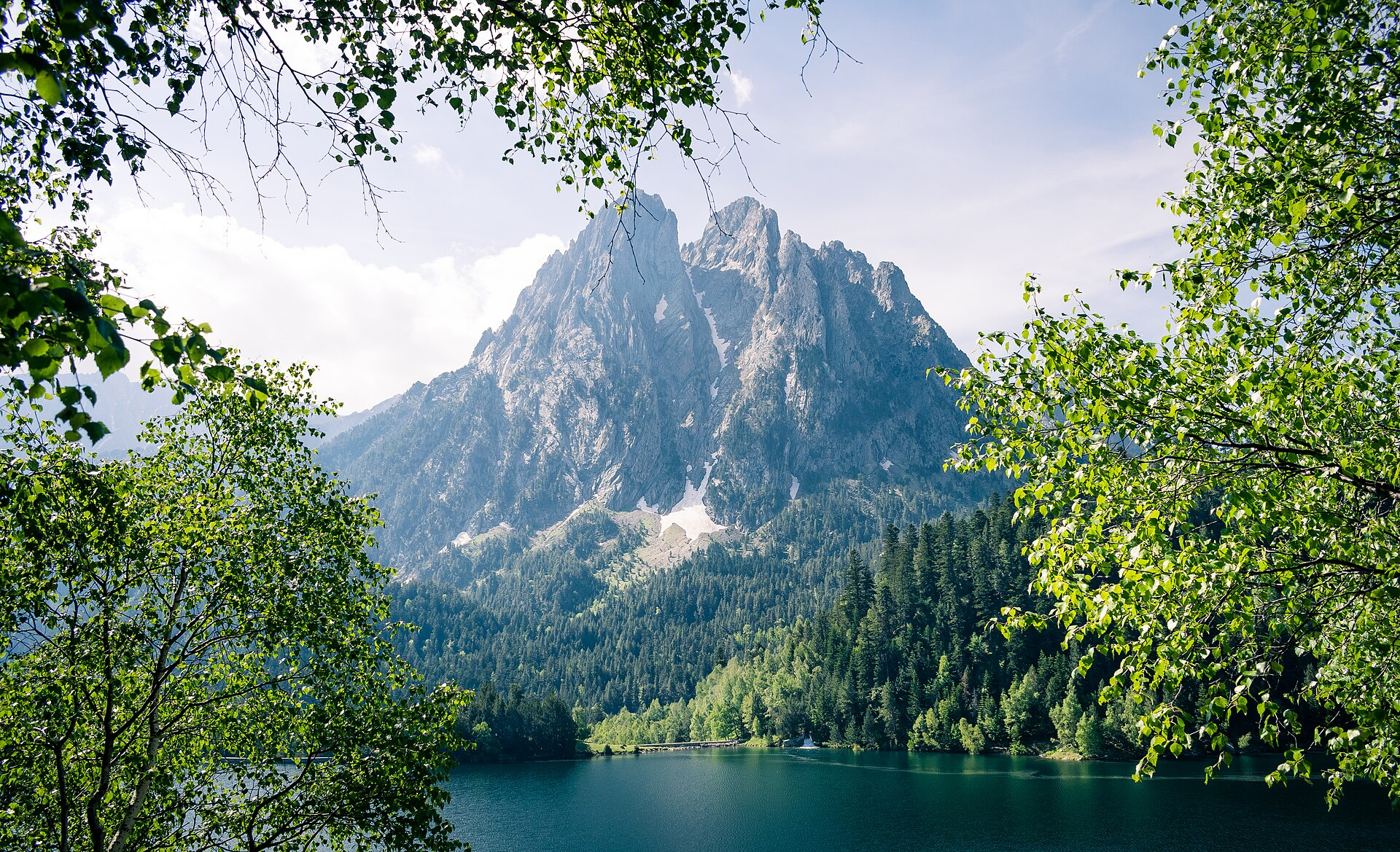 Nature
Catalonia beyond the beach: volcanoes, wetlands and one national park
From the beech forest of La Garrotxa to the lakes of Aigüestortes, an hour or two inland from Girona or Barcelona.
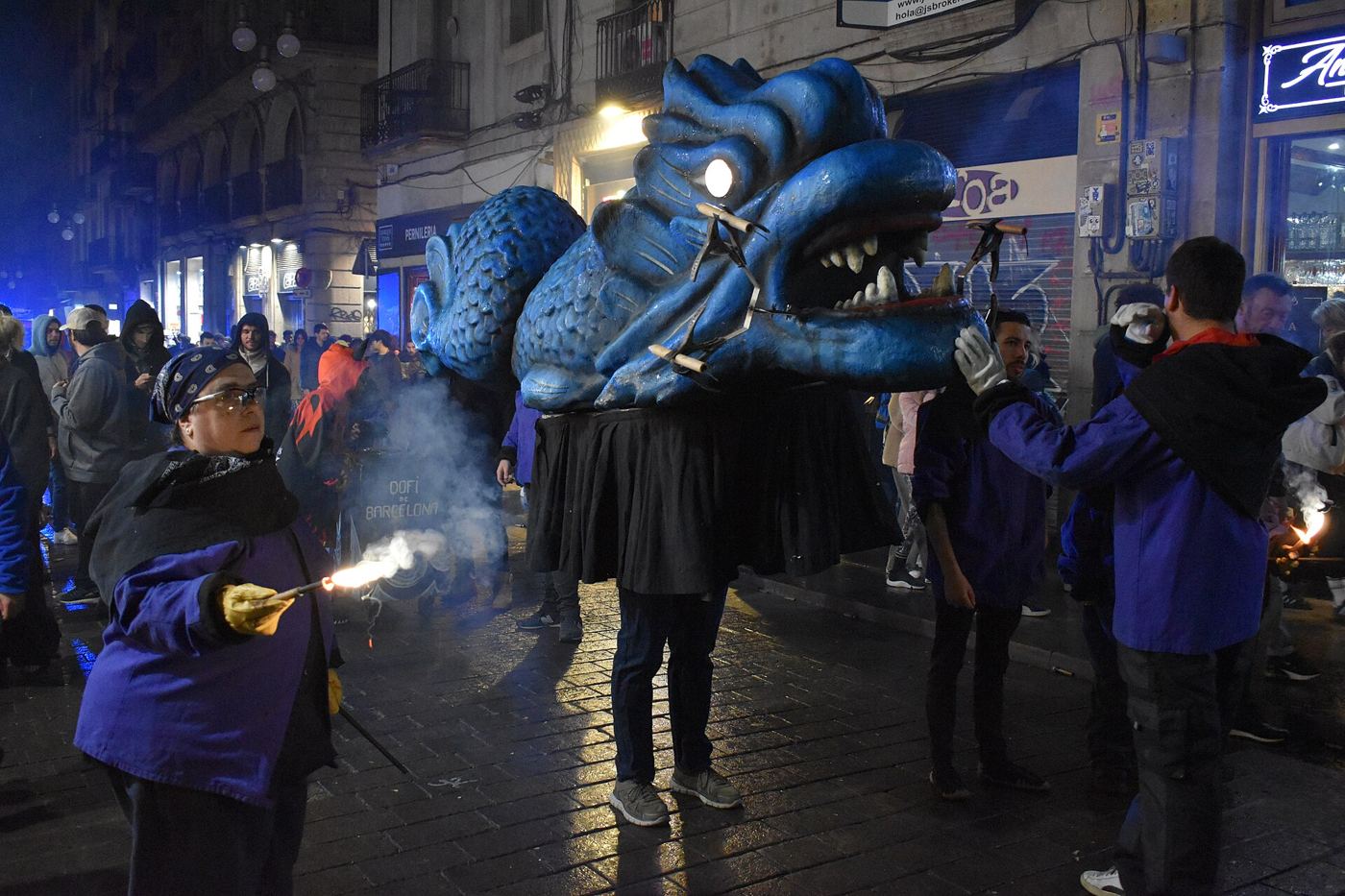 Party scene
How Catalonia parties: from Sónar to the fire runs of La Mercè
Barcelona's club calendar, Sitges carnival, and the village festes majors that outlast any nightclub.
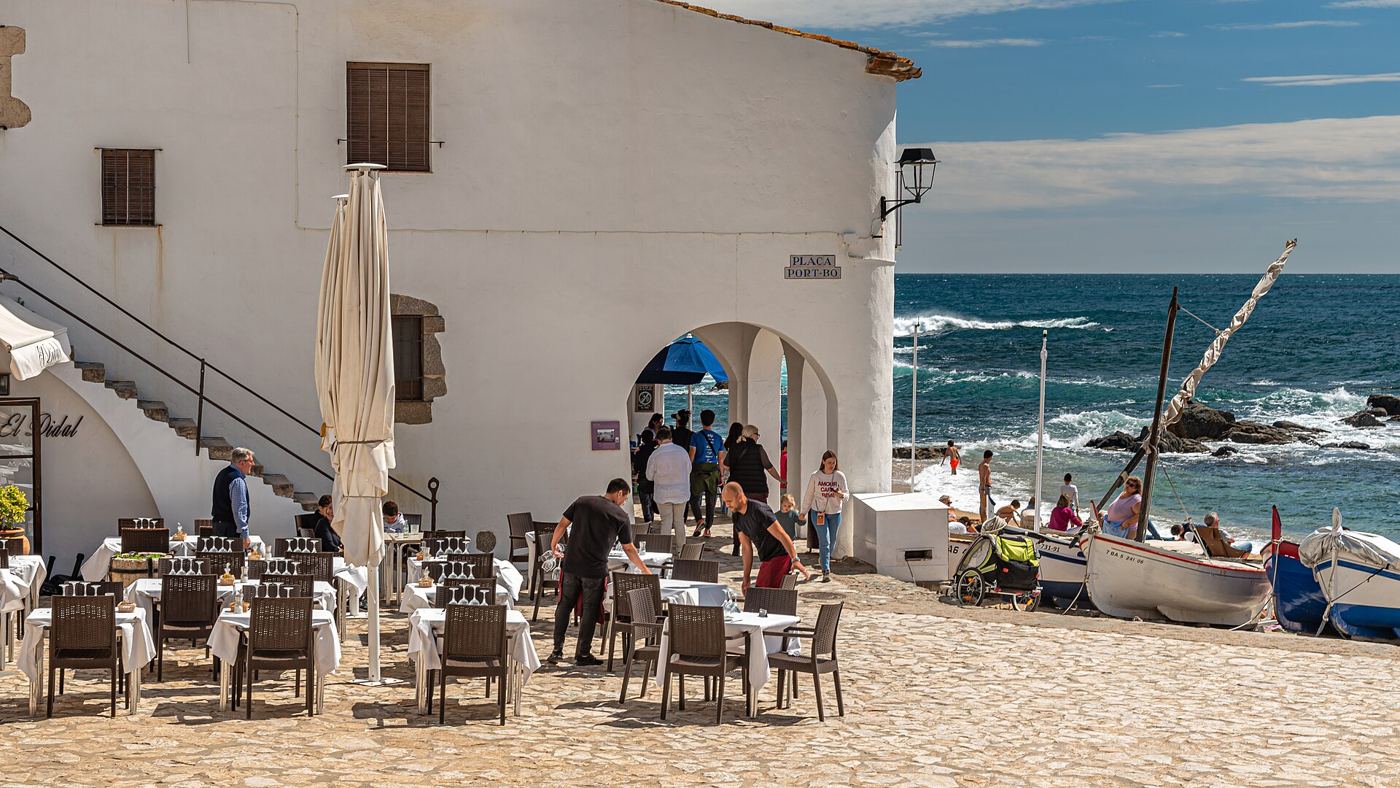 Backpacking
Catalonia on €55 a day: a backpacker's route from Girona to the Ebro
Regional trains, the Camí de Ronda, menú del dia lunches and the hostels worth the extra euro.